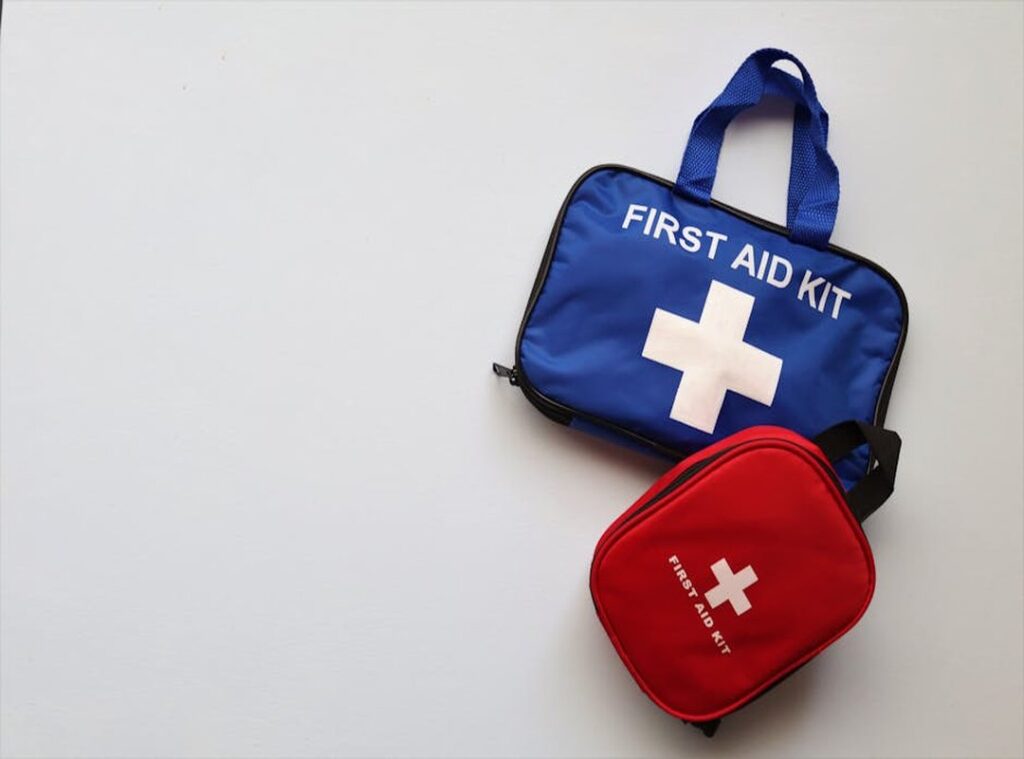
Miles from anywhere, self-reliance isn’t just a choice (it’s) survival. Ever felt that uneasy chill when you realize your off-the-shelf first aid kit is full of cheap fluff? Yeah, me too.
Most of those kits are a joke when you’re deep in the backcountry. I’ve spent years out there, learning what matters when help is hours away.
I’m here to share the real deal. Forget the useless band-aids and flimsy scissors. This guide promises a no-nonsense approach for building a perfect first aid kit that empowers you, not scares you.
Why trust me? I’ve tested it all, failed, and found what truly works.
You’ll get a practical blueprint to handle the unexpected. Ready to adventure further and freer?
Rethinking Preparedness: What ‘Full’ Means
Let’s get real. Your household first aid kit and a wilderness kit? Not the same.
At home, help is often minutes away. Out there, you’re lucky if it’s hours. This difference in “time to definitive care” is huge.
It’s why we need a different approach when venturing into the wild.
Ever felt overwhelmed packing your kit? I know I have. Enter the modular system (a) game-changer.
Think of your kit in four layers: Trauma & Bleeding, Sprains & Breaks, Meds & Environment, and Tools & Skills. Why? It’s all about quick access and customization.
You don’t want to dig through a pile of bandages when someone’s bleeding, right?
The modular approach isn’t just practical. It’s personal. Tailor your kit to the adventure.
A day hike doesn’t need the same prep as a week-long trek. You swap out, add, or leave behind what’s unnecessary. It’s like organizing your backpack for fast hiking.
Clutter is the enemy.
Why make this chore a ritual? Because it deepens your connection to the wild. You respect its power more when you’re prepared.
It’s not just about survival. It’s about thriving out there.
Pro tip: Practice using your gear at home. You’ll thank yourself when the pressure’s on. And remember: a perfect first aid kit is never one-size-fits-all.
It’s about you, your journey, and the wild places calling your name. So, what’s your next adventure? Are you ready for it?
The Trauma Kit: Your Non-Negotiable Lifesavers
When you’re out there, far from anything resembling civilization, your lifeline is your trauma kit. Let’s cut to the chase: bleeding control is your top priority. Trust me, it’s not just about stopping blood, it’s about saving lives.
A commercial tourniquet like the CAT or SOFTT-W is your best friend. Ever tried to improvise one? Exactly.
Hemostatic gauze is another must. It speeds up clotting (magic in gauze form). And don’t forget an emergency pressure bandage, the Israeli style.
It’s versatile and can handle those gnarly wounds. Keep assorted sterile gauze pads too. They’re important for covering wounds once the bleeding’s under control.
Now, managing wounds goes beyond the typical rinse and slap. Antiseptic wipes are your first line of defense against infection. Use a 20cc irrigation syringe for high-pressure cleaning.
It clears out debris like a mini power washer. Wound closure strips are next. They bring edges together, creating a barrier against germs (and yes, they hold everything in).
Tincture of benzoin helps them stick, especially in damp conditions.
For sprains, strains, and fractures, a SAM splint is indispensable. It’s like clay, moldable and supportive. Elastic compression wraps stabilize and reduce swelling.
You need at least one triangular bandage. This thing does it all: sling, cravat, head wrap. You name it.
And folks, don’t overlook personal protection. Multiple pairs of nitrile gloves are non-negotiable. Your safety is as key as theirs.
For those building the perfect first aid kit, these items aren’t just extras; they’re essentials. You won’t regret the weight in your pack when things go sideways. Got it?
Good. Because when the wilderness calls, being prepared isn’t optional. It’s mandatory.
Beyond the Big Stuff: Meds, Blisters, and Environmental Shields
Planning a trek? Forgetting the little things in your perfect first aid kit can ruin your adventure faster than you think. Sure, you’ve got the big stuff covered, but what about the sneaky issues?
Those pesky problems that creep up (like) unexpected allergies or blisters that make every step a nightmare?
Let’s talk meds. Your basic over-the-counter arsenal should include pain/fever reducers like Ibuprofen or Acetaminophen. Antihistamines are a must for those surprise allergic reactions.
Don’t forget the anti-diarrhea pills (seriously, don’t). An antacid can feel like a miracle after some questionable trail food. And (this) is key (pack) your personal prescription meds.
Blisters. They’re a hiker’s worst enemy. I’ve been there.
A mini-kit for your feet is important. Grab some moleskin or blister dressings, medical tape, and a small tube of antibiotic ointment. Trust me, your feet will thank you.
The environment is another beast to tackle. A small, travel-sized tube of high-SPF sunscreen is non-negotiable. Your lips need love too (SPF) lip balm is your friend.
And don’t underestimate the power of insects. A repellent with Picaridin or DEET will keep those biting nuisances at bay.
Packing these essentials isn’t just about being prepared. It’s about peace of mind. Who wants their trip ruined by something preventable?
Not me, and definitely not you. By the way, while we’re on the topic of preparedness, don’t forget to check out these must have gadgets for a digital nomad outdoors. You’ll be glad you did.
Important Tools & Skills: Your Secret Edge
Let’s talk tools. You can’t just throw any old thing into a first aid kit and call it perfect. Trauma shears (not your grandma’s scissors) are a must. Precision tweezers for those pesky splinters and ticks.
And let’s not forget safety pins and a compact emergency blanket. They’re not just extras (they’re) essentials.
But here’s the kicker. The most important thing in your kit isn’t even a tangible item. It’s your brain.
A trained mind is the ultimate tool. Why? Because knowledge weighs nothing.
Ever heard of Wilderness First Aid (WFA) or Wilderness First Responder (WFR) courses? You should. They transform a bag of supplies into a life-saving arsenal.
Sure, you can buy the best gear out there (and you should), but without skills, you’re just hauling weight. Trust me, knowing what to do in a crunch is what makes the difference. It’s what turns a collection of gear into the perfect first aid kit.
Pro tip: invest in education. You’ll earn more than badges (real-world) competence and confidence. Now, isn’t that what we’re all after in the backcountry?
Gear Up for Freedom
Why just buy a kit when you can build one tailored to your adventures? A perfect first aid kit isn’t about fearing the worst. It’s about being ready for anything and embracing the wild with open arms.
Standard kits fall short (they) don’t know you or your journey. But imagine a kit that does, one that boosts your confidence, not your anxiety.
Here’s what I think: Start with this guide. Build your gear. Then, take it a step further.
Sign up for a wilderness medicine course. Because the mountains are calling, and it’s time you answer with confidence.
Feel the thrill of the unknown. Know you’re prepared. And when you’re ready, those peaks won’t feel so daunting.
They’ll feel like home. Ready to pack your confidence?
 Founder & Chief Exploration Officer
There is a specific skill involved in explaining something clearly — one that is completely separate from actually knowing the subject. Valdran Vornhaven has both. They has spent years working with outdoor packing essentials in a hands-on capacity, and an equal amount of time figuring out how to translate that experience into writing that people with different backgrounds can actually absorb and use.
Valdran tends to approach complex subjects — Outdoor Packing Essentials, Backcountry Concepts and Gear, Angle-Ready Wilderness Navigation being good examples — by starting with what the reader already knows, then building outward from there rather than dropping them in the deep end. It sounds like a small thing. In practice it makes a significant difference in whether someone finishes the article or abandons it halfway through. They is also good at knowing when to stop — a surprisingly underrated skill. Some writers bury useful information under so many caveats and qualifications that the point disappears. Valdran knows where the point is and gets there without too many detours.
The practical effect of all this is that people who read Valdran's work tend to come away actually capable of doing something with it. Not just vaguely informed — actually capable. For a writer working in outdoor packing essentials, that is probably the best possible outcome, and it's the standard Valdran holds they's own work to.
Founder & Chief Exploration Officer
There is a specific skill involved in explaining something clearly — one that is completely separate from actually knowing the subject. Valdran Vornhaven has both. They has spent years working with outdoor packing essentials in a hands-on capacity, and an equal amount of time figuring out how to translate that experience into writing that people with different backgrounds can actually absorb and use.
Valdran tends to approach complex subjects — Outdoor Packing Essentials, Backcountry Concepts and Gear, Angle-Ready Wilderness Navigation being good examples — by starting with what the reader already knows, then building outward from there rather than dropping them in the deep end. It sounds like a small thing. In practice it makes a significant difference in whether someone finishes the article or abandons it halfway through. They is also good at knowing when to stop — a surprisingly underrated skill. Some writers bury useful information under so many caveats and qualifications that the point disappears. Valdran knows where the point is and gets there without too many detours.
The practical effect of all this is that people who read Valdran's work tend to come away actually capable of doing something with it. Not just vaguely informed — actually capable. For a writer working in outdoor packing essentials, that is probably the best possible outcome, and it's the standard Valdran holds they's own work to.