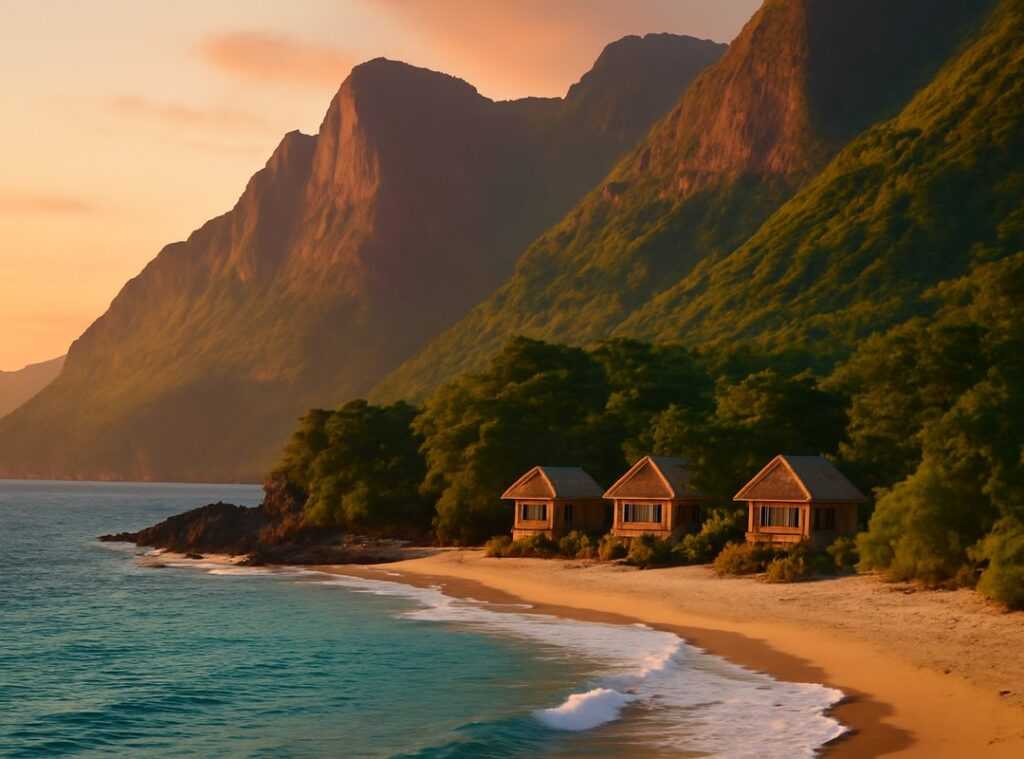
Picture this: a beach teeming with tourists, their laughter swallowed by the constant hum of chatter. Annoying, right? Now imagine the hush of a hidden cove, where the only sounds are the gentle waves and your own thoughts.
This is the solitude you crave. But. And here’s the kicker (most) so-called “secluded” guides lead you to places that aren’t so secret after all.
Forget that noise.
I’m offering a guide for the true adventurer. You won’t just find hidden beach getaways; you’ll own them. With years of backcountry exploration under my belt, I’ve applied wilderness navigation to coastal escapes.
You’ll learn the mindset and skills needed to carve out your own private paradise. Ready to ditch the crowds for real? This guide is your ticket to genuine seclusion and discovery.
The Wild Coast Mindset: Trading Luxury for Untamed Freedom
When I hear “secluded,” I don’t think of infinity pools and five-star service. No, it’s about the untouched sand beneath my feet and the raw power of nature surrounding me. It’s the kind of place where you trade the comfort of amenities for the authenticity of the wild.
Imagine this: you swap the crowded resorts for quiet coves. You leave behind convenience for the reward of a challenging journey. Sounds crazy to some, right?
But for those of us who crave real connection with the earth, it’s the only way to truly escape. The best hidden beach getaways are earned, not booked. You can’t just click a button and arrive; you have to work for it, feel every step and savor every breath of sea air.
Let me tell you, reaching a coastline few have set foot on is more than just a physical journey. It’s a connection to the elements, a sense of freedom that’s hard to find elsewhere. You know that feeling when you finally reach a spot that feels untouched by man?
That’s the magic.
Now, how do you find these places? It’s like reading a map but with your eyes and instincts. Just as you would in the mountains, you learn to visually assess a coastline for potential hidden spots.
Look for those rugged, promising nooks. They’re out there, waiting.
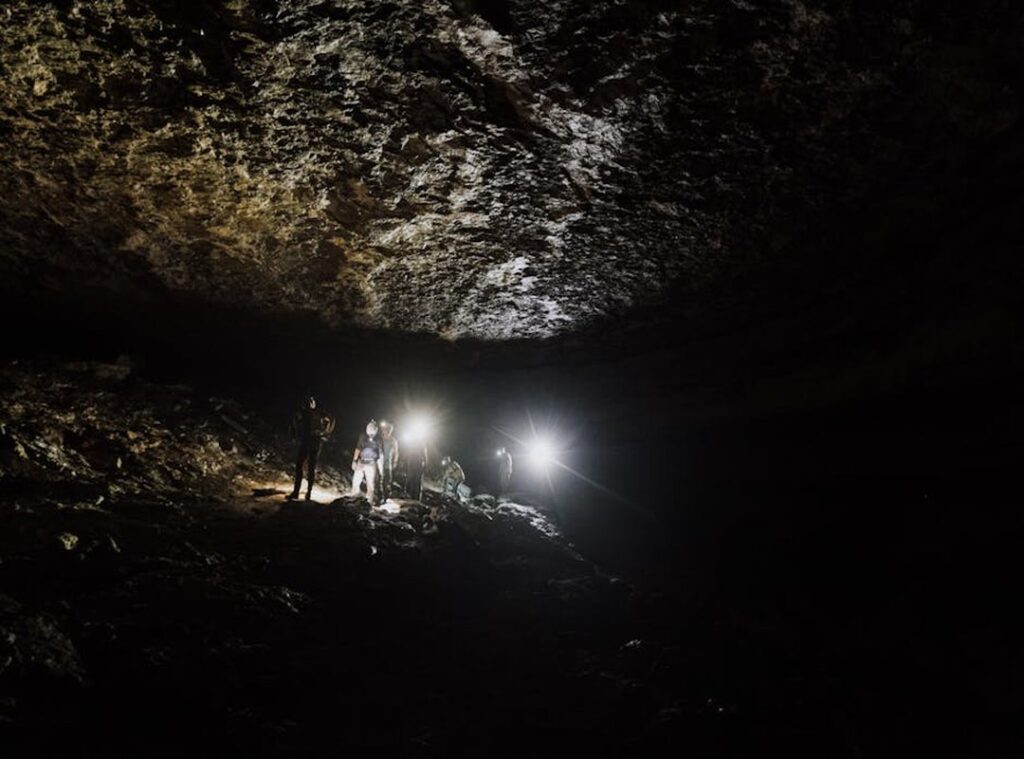
And if you’re into these kinds of adventures, you might also be curious about unexplored caves a spelunkers dream. Because isn’t the unknown always calling us?
Your Expedition Map: Finding Coastal Gems Off the Beaten Path
Finding hidden beach getaways is like chasing ghosts. But I’ve got a few tricks up my sleeve to make it less of a wild goose chase and more of a treasure hunt.
Start with digital scouting. You’ve got solid tools at your fingertips: Google Earth and Gaia GPS. Use them!
Google’s historical imagery lets you spot changes over time. Why’s that important? Well, it helps you find places that aren’t on every tourist’s radar.
Those satellite and topo layers on Gaia GPS? They’re your new best friends. They’ll help you locate those mysterious coves with no obvious roads leading in.
Look for breaks in cliffs, river mouths forming sandbars, and trails that disappear before hitting the coast. Those are your clues.
Nautical and topographical charts are next. They might sound old-school, but trust me, they’re gold. These charts tell you everything about the water: depth, tides, hazards.
It’s like reading the ocean’s diary. Knowing how to read them connects directly to your wilderness navigation skills. And let’s be honest, you want to avoid getting stranded or, worse, running into some unexpected danger.
Now, here’s the human element. Talk to local fishermen or the town’s old-timers (tourist traps will only give you the generic spots). These folks know secrets that maps can’t show.
Think of it as respectful information gathering. You’re not just asking for directions; you’re diving into local lore. And who doesn’t love a good story?
Don’t forget to verify access. Just because you see a spot on a map doesn’t mean it’s public land. You could be eyeing private property, which would lead to a whole different adventure (one involving trespassing charges).
Check land ownership resources. They’re there for a reason.
Last thing: remember, not every hidden gem is on your map. Sometimes, you have to follow your instincts. Or maybe check out 10 underrated summer beach destinations in the usa for a little inspiration.
There’s magic in going where few have tread. So grab your map, and let’s hit the coast.
Into the Wild: Gear for the Edge of the World
Packing for hidden beach getaways is a different beast. Forget your standard checklist of sunscreen and flip-flops. We’re talking about gear that screams self-sufficiency.

The kind of stuff that won’t leave you begging for a coconut to float by when your plans go sideways.
The Essentials Trio: Shelter, Water, and Navigation. That’s the holy trinity. For shelter, ditch the heavy tent. A lightweight tarp or bivy sack is your best bet. You want something that packs light and sets up fast when the weather turns. Water? A reliable filter like the Sawyer Squeeze or Lifestraw should be glued to your hip. Let’s not rely solely on GPS either. A physical map and compass are not negotiable. Ever tried explaining your dead battery to a seagull? Didn’t think so.
Now let’s talk Sustenance & Safety. Cooking on the beach means embracing simple campfire cooking. Got a favorite recipe?
Check local regulations first. Some places frown upon open flames; they’re weird like that. A basic first-aid kit is a must, but add vinegar for marine stings.
Jellyfish won’t wait for you to be ready. And keep everything in a waterproof dry bag. Trust me, you don’t want to sleep in damp clothes.
When choosing gear, think durability, weight, and multi-functionality. This isn’t a fashion parade. It’s survival. (Okay, maybe a little fun too.) If you need inspiration for your own adventure, check out these secret hiking trails for solitude seekers.
Remember, it’s not about the brand, but the type of gear that counts. Let’s get out there and explore those hidden gems. Your deserted beach awaits.
The Coastal Code: Leave Nothing But Footprints
Ever wander onto a hidden beach getaway and feel like you’re trespassing on paradise? I think we all have. There’s a deep responsibility that comes with accessing these pristine places.
You can’t just waltz in and leave chaos in your wake. It’s key to tread lightly (literally) on dunes and coastal vegetation. Does anyone actually enjoy erosion?
No. So why cause it? Stick to established paths and avoid trampling on the delicate space.
Now, onto campfires. Who doesn’t love a good fire on the beach? But here’s the thing: be smart about it.
Keep it below the high-tide line and use only driftwood. And for heaven’s sake, make sure it’s completely out before you leave. You don’t want to be the reason a beach goes up in flames.
Then there’s waste and wildlife. Pack out every single item, including food scraps. It’s not just about keeping the beach clean; it’s about respecting marine wildlife too.
Ever watched a sea turtle struggle because of thoughtless litter? It’s heartbreaking. Let’s not be the villains in this story.
Find Your Perfect Escape
Tired of the noise and chaos of modern life? I get it. True solitude is hard to find.
But that’s the adventure, right? Seeking out hidden beach getaways is your ticket to peace. You’ve got the mindset, the skills, the respect for nature.
That’s the key. Now, what are you waiting for? Don’t just dream of escaping the crowds.
Grab a map. Choose a coastline. Plan your escape.
It’s time to stop wishing and start doing. Trust me, blissful isolation is out there. You’re ready.
So go find it. Your secluded paradise is waiting. Ready to dive into your own adventure?
 Founder & Chief Exploration Officer
There is a specific skill involved in explaining something clearly — one that is completely separate from actually knowing the subject. Valdran Vornhaven has both. They has spent years working with outdoor packing essentials in a hands-on capacity, and an equal amount of time figuring out how to translate that experience into writing that people with different backgrounds can actually absorb and use.
Valdran tends to approach complex subjects — Outdoor Packing Essentials, Backcountry Concepts and Gear, Angle-Ready Wilderness Navigation being good examples — by starting with what the reader already knows, then building outward from there rather than dropping them in the deep end. It sounds like a small thing. In practice it makes a significant difference in whether someone finishes the article or abandons it halfway through. They is also good at knowing when to stop — a surprisingly underrated skill. Some writers bury useful information under so many caveats and qualifications that the point disappears. Valdran knows where the point is and gets there without too many detours.
The practical effect of all this is that people who read Valdran's work tend to come away actually capable of doing something with it. Not just vaguely informed — actually capable. For a writer working in outdoor packing essentials, that is probably the best possible outcome, and it's the standard Valdran holds they's own work to.
Founder & Chief Exploration Officer
There is a specific skill involved in explaining something clearly — one that is completely separate from actually knowing the subject. Valdran Vornhaven has both. They has spent years working with outdoor packing essentials in a hands-on capacity, and an equal amount of time figuring out how to translate that experience into writing that people with different backgrounds can actually absorb and use.
Valdran tends to approach complex subjects — Outdoor Packing Essentials, Backcountry Concepts and Gear, Angle-Ready Wilderness Navigation being good examples — by starting with what the reader already knows, then building outward from there rather than dropping them in the deep end. It sounds like a small thing. In practice it makes a significant difference in whether someone finishes the article or abandons it halfway through. They is also good at knowing when to stop — a surprisingly underrated skill. Some writers bury useful information under so many caveats and qualifications that the point disappears. Valdran knows where the point is and gets there without too many detours.
The practical effect of all this is that people who read Valdran's work tend to come away actually capable of doing something with it. Not just vaguely informed — actually capable. For a writer working in outdoor packing essentials, that is probably the best possible outcome, and it's the standard Valdran holds they's own work to.