
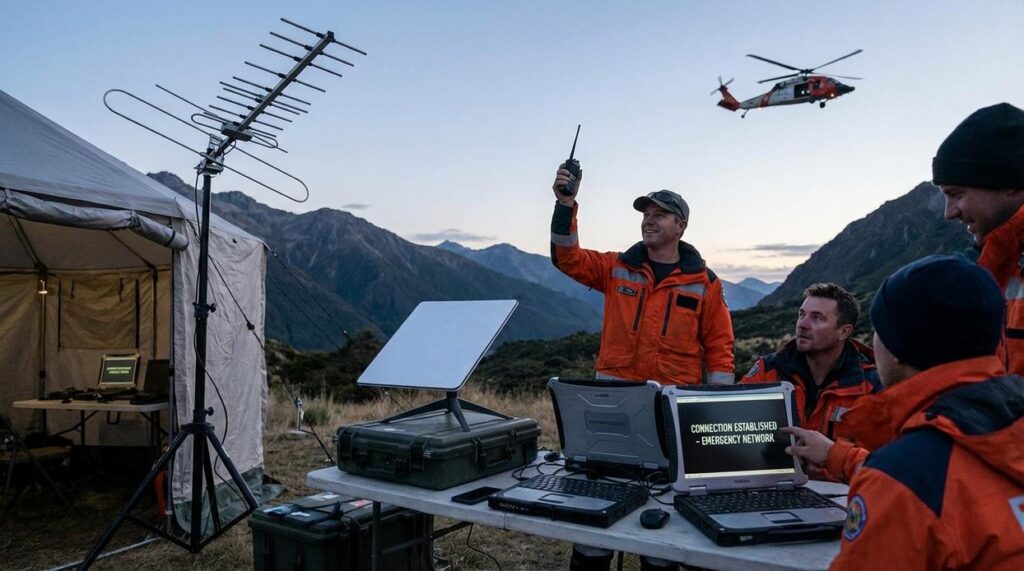
If you’re searching for practical guidance on wilderness exploration, you’re likely looking for more than inspiration—you want reliable skills, trusted gear recommendations, and insights that actually make your time outdoors safer and more rewarding. This article is designed to do exactly that. From mastering essential survival skills and sharpening wilderness navigation techniques to understanding how modern wilderness exploration technology is reshaping backcountry travel, we break down what matters most for real-world adventures.
We’ve carefully analyzed proven field practices, tested gear trends, and current outdoor innovations to ensure the information you’re reading is accurate, relevant, and actionable. Whether you’re planning a remote trek, upgrading your backcountry setup, or seeking lesser-known outdoor destinations, you’ll find practical insights that help you explore with greater confidence and preparedness. Let’s dive into what you need to know before your next adventure.
Beyond the Compass: Gearing Up for the Modern Backcountry
A paper map and a trusty compass still earn their place in any pack (batteries die, after all). However, today’s wilderness exploration technology has transformed how we navigate, signal for help, and track weather in time.
Many hikers feel overwhelmed by GPS apps, satellite messengers, and solar chargers. Others insist electronics create false confidence. Both concerns are valid. Yet the solution isn’t avoidance—it’s integration.
This guide offers a practical framework for choosing navigation tools, emergency communication devices, and backup power systems. Ultimately, blending traditional skills with smart tech creates safer adventures.
Pinpoint Your Position: The New Era of Wilderness Navigation
Step into the backcountry at dawn—the air crisp, pine-scented, boots crunching over frost—and your sense of direction suddenly matters more than ever.
Dedicated GPS Units
First, consider dedicated units like Garmin’s GPSMAP series. These devices are built like tanks. Rain lashes down, wind howls across exposed ridgelines, and they keep blinking steadily in your palm. Their durability and marathon battery life make them invaluable on multi-day trips. In extreme cold, where smartphones fade fast, these units remain reliable. However, critics argue they’re expensive and often clunky to operate. The interface can feel like programming a VCR from the ’90s (not exactly intuitive). Still, when conditions turn harsh, reliability outweighs elegance.
The Smartphone Revolution (Gaia GPS, onX, AllTrails)
Meanwhile, smartphones have transformed wilderness exploration technology. With apps like Gaia GPS, onX, and AllTrails, your screen glows with detailed satellite imagery and layered topographic maps. You can almost see the ridgeline before you climb it. The pinch-to-zoom simplicity feels natural, even with cold fingers. Some purists argue phones are fragile and battery-hungry—and they’re not wrong. Yet paired with a battery bank and protective case, they become powerful navigation hubs.
The Non-Negotiable Rule
Here’s the catch: always download maps for offline use. Without pre-downloaded maps, your app becomes useless the moment cell service disappears. No signal, no map. Period.
GPS Watches
Finally, GPS watches offer quick elevation checks, breadcrumb trails, and silent wrist vibrations guiding your pace. They’re best used as a secondary tool—subtle, efficient, and always within reach.
Staying Connected When It Matters Most: Off-Grid Communication

When cell service disappears, communication becomes less about convenience and more about survival. In truly remote terrain, there are two primary categories of satellite devices that act as your lifeline.
Two-Way Satellite Messengers
Devices like Garmin inReach and ZOLEO fall into this category. They allow you to send and receive custom text messages via satellite networks, share your GPS location with loved ones, and trigger an SOS to emergency coordination centers. In short, they keep you connected even when you’re miles from the nearest signal tower. For many adventurers, this is the sweet spot between safety and practicality (because “I’m running late but safe” is a lot better than radio silence).
That said, some argue these devices create overconfidence in the backcountry. It’s a fair concern. Technology can fail, batteries can drain, and satellite coverage—while global—isn’t flawless. Still, as wilderness exploration technology continues to improve, two-way messengers offer both reassurance and real-time flexibility that older tools simply can’t.
Personal Locator Beacons (PLBs)
PLBs are different. They do one thing: send a powerful, one-way SOS signal to global rescue services. No texting. No updates. Just a distress beacon. Their strength lies in reliability, long battery standby life (often measured in years), and a focused mission—emergency use only.
Making the Choice
If you want communication, tracking, and emergency backup, a satellite messenger is more versatile. If you prefer a no-frills, last-resort rescue device, a PLB may be enough. Before heading out, stay informed about global national park updates and what they mean for travelers to match your gear with current conditions.
Keeping Your Gear Alive: Power Solutions for the Trail
The Power Problem
You know the feeling. You’ve finally reached the overlook, pull out your phone for a photo… and it’s dead. Even the best wilderness exploration technology is useless with a drained battery. It’s frustrating, especially when you planned everything else perfectly. So let’s fix that.
Portable Power Banks
First, choose a power bank based on capacity (mAh)—that’s milliamp hours, or how much energy it stores—versus weight. More mAh means more charges, but also more ounces in your pack (and those ounces add up fast).
Here’s a simple formula: add up your device battery capacities and multiply by the number of recharges you’ll need. For example, a 3,000 mAh phone needing two full charges requires at least 6,000 mAh—then add a 20% buffer.
Solar Panels for the Backpacker
For multi-day trips, portable solar panels can help. However, they depend on direct sunlight. Look for high efficiency ratings, durable weatherproof materials, and manageable weight. Cloud cover? Dense forest? Expect slower charging.
Proactive Power Management
Meanwhile, conserve what you have. Use airplane mode, lower screen brightness, close background apps, and keep devices warm in cold weather (batteries hate the cold). Small tweaks, big difference.
Enhancing the Experience: Tech for Comfort and Discovery
Advanced LED headlamps do more than light the trail; red light mode protects your night vision, adjustable beams adapt to tight switchbacks, and USB-rechargeable batteries cut pack weight. The benefit? You hike longer with less strain and more real confidence.
UV water purifiers like a SteriPEN neutralize viruses and bacteria in seconds, giving you fast, lightweight hydration without pumping or chemicals.
Barometric readings on GPS watches reveal pressure drops, helping you anticipate storms before clouds gather.
Together, this wilderness exploration technology means fewer surprises, safer camps, and more time enjoying the wild.
Smart adventures hinge on three pillars: Navigation, Communication, and Power. Start by auditing your trip. Are you relying solely on trail memory? Add a GPS map app with offline downloads (download maps before you lose signal). Traveling solo? Pack a satellite messenger for SOS and check-ins. Multi-day trek? Bring a power bank and a solar panel to recharge essentials.
Think of wilderness exploration technology as a safety net, not a substitute for judgment. Practice compass skills, rehearse emergency plans, and test devices at home.
Before you go:
As we delve into the exciting realm of emerging technologies transforming wilderness exploration, it’s fascinating to consider how these innovations align with the Top Outdoor Adventure Trends Shaping 2026.
- Choose one weak spot.
- Upgrade it deliberately.
- Test it first.
Keep Pushing the Horizon
You came here looking for clarity on how to explore farther, safer, and smarter. Now you understand how modern tools, sharper navigation skills, and the right backcountry gear work together to transform every trip from uncertain to intentional.
The real challenge isn’t just getting outside. It’s avoiding preventable mistakes, outdated equipment, and navigation errors that can turn an adventure into a setback. With the rise of wilderness exploration technology, there’s no reason to rely on guesswork when you could be traveling with precision and confidence.
Your next move is simple: put this knowledge into action. Upgrade your gear thoughtfully. Refine your survival systems. Start planning routes with tools designed for real backcountry conditions.
If you’re serious about exploring deeper terrain without risking safety or wasting time, tap into trusted insights that outdoor enthusiasts rely on every day. Get the guidance you need, sharpen your edge, and head into the wild prepared. Your next expedition deserves nothing less.
 Head of Gear Intelligence & Field Testing
Bertha Mayonativers writes the kind of backcountry concepts and gear content that people actually send to each other. Not because it's flashy or controversial, but because it's the sort of thing where you read it and immediately think of three people who need to see it. Bertha has a talent for identifying the questions that a lot of people have but haven't quite figured out how to articulate yet — and then answering them properly.
They covers a lot of ground: Backcountry Concepts and Gear, Angle-Ready Wilderness Navigation, Campfire Recipes and Survival Skills, and plenty of adjacent territory that doesn't always get treated with the same seriousness. The consistency across all of it is a certain kind of respect for the reader. Bertha doesn't assume people are stupid, and they doesn't assume they know everything either. They writes for someone who is genuinely trying to figure something out — because that's usually who's actually reading. That assumption shapes everything from how they structures an explanation to how much background they includes before getting to the point.
Beyond the practical stuff, there's something in Bertha's writing that reflects a real investment in the subject — not performed enthusiasm, but the kind of sustained interest that produces insight over time. They has been paying attention to backcountry concepts and gear long enough that they notices things a more casual observer would miss. That depth shows up in the work in ways that are hard to fake.
Head of Gear Intelligence & Field Testing
Bertha Mayonativers writes the kind of backcountry concepts and gear content that people actually send to each other. Not because it's flashy or controversial, but because it's the sort of thing where you read it and immediately think of three people who need to see it. Bertha has a talent for identifying the questions that a lot of people have but haven't quite figured out how to articulate yet — and then answering them properly.
They covers a lot of ground: Backcountry Concepts and Gear, Angle-Ready Wilderness Navigation, Campfire Recipes and Survival Skills, and plenty of adjacent territory that doesn't always get treated with the same seriousness. The consistency across all of it is a certain kind of respect for the reader. Bertha doesn't assume people are stupid, and they doesn't assume they know everything either. They writes for someone who is genuinely trying to figure something out — because that's usually who's actually reading. That assumption shapes everything from how they structures an explanation to how much background they includes before getting to the point.
Beyond the practical stuff, there's something in Bertha's writing that reflects a real investment in the subject — not performed enthusiasm, but the kind of sustained interest that produces insight over time. They has been paying attention to backcountry concepts and gear long enough that they notices things a more casual observer would miss. That depth shows up in the work in ways that are hard to fake.