Packing for a backcountry trip shouldn’t feel like choosing between safety and sanity. The real challenge of any adventure is balancing preparedness with weight—avoiding the mistake of overpacking out of fear or underpacking out of inexperience. This guide is built to solve that problem with a clear, field-tested system for creating a reliable, lightweight kit. More than just another backpacking packing list, it’s a practical framework shaped by thousands of miles on the trail. Our goal is simple: eliminate packing anxiety and replace it with total confidence when you step into the wild.
The Foundation: Your Shelter, Sleep System, and Pack
Every solid backcountry setup starts with three essentials: your backpack, shelter system, and sleep system. Get these right, and everything else becomes easier.
First, your backpack is the anchor for your entire backpacking packing list. Volume, measured in liters, determines how much you can carry. For example, a 40–50L pack usually works for a weekend trip, while a thru-hike may require 55–70L depending on gear bulk. Just as important is torso fit. A poorly fitted pack shifts weight to your shoulders instead of your hips (hello, mile-three regret). Measure your torso length and adjust the hip belt so it carries most of the load. A built-in rain cover is non-negotiable—wet insulation loses effectiveness quickly (REI Expert Advice).
Next, your shelter system—tent, stakes, and footprint—protects you from wind, rain, and insects. If you’re heading into alpine terrain, prioritize weather resistance. In milder climates, shaving weight might matter more.
Finally, your sleep system ensures recovery. Choose a sleeping bag rated for the coldest expected temperature, not the average. Pair it with a sleeping pad with an appropriate R-value, which measures insulation, not cushion (Therm-a-Rest). Pro tip: colder sleepers should size up in warmth.
The Engine: Your Backcountry Kitchen and Hydration
Your kitchen system isn’t a luxury—it’s risk management. According to the National Park Service, improper food storage is one of the leading causes of wildlife encounters in U.S. backcountry areas (NPS.gov). In other words, what and how you pack directly affects your safety.
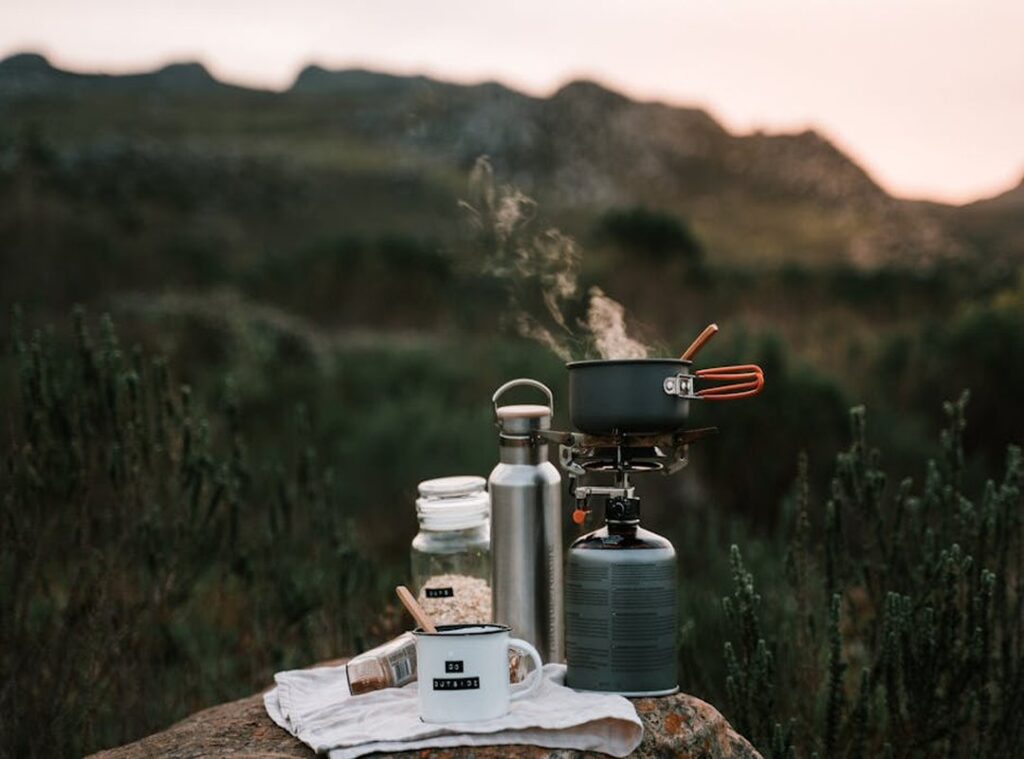
First, let’s define a few essentials. A canister stove uses pressurized fuel for quick boiling, while liquid fuel stoves perform better in cold conditions. Both are reliable for sterilizing water—bringing water to a rolling boil for one minute kills most pathogens (CDC.gov). That’s not just comforting; it’s science-backed protection.
- Cooking Gear: Compact stove, fuel, pot, long-handled spoon, lighter. Simple system, high return (hot food after a 12-mile hike feels five-star).
- Food Storage: Calculate daily calories—most backpackers burn 2,500–4,500 per day depending on terrain and pack weight. Repackage into zip-top bags. In bear country, use a bear canister or ursack as required.
- Water Treatment and Storage: Carry at least two liters. Use a squeeze filter, chemical tablets, or UV sterilizer—and always pack a backup.
Some argue cold-soaking eliminates stove weight. Fair point. However, hot meals improve morale and core temperature, especially in shoulder seasons. That psychological boost? Underrated.
Pro tip: Review your backpacking packing list before every trip—hydration redundancy is non-negotiable.
The Armor: A Functional Clothing and Footwear System
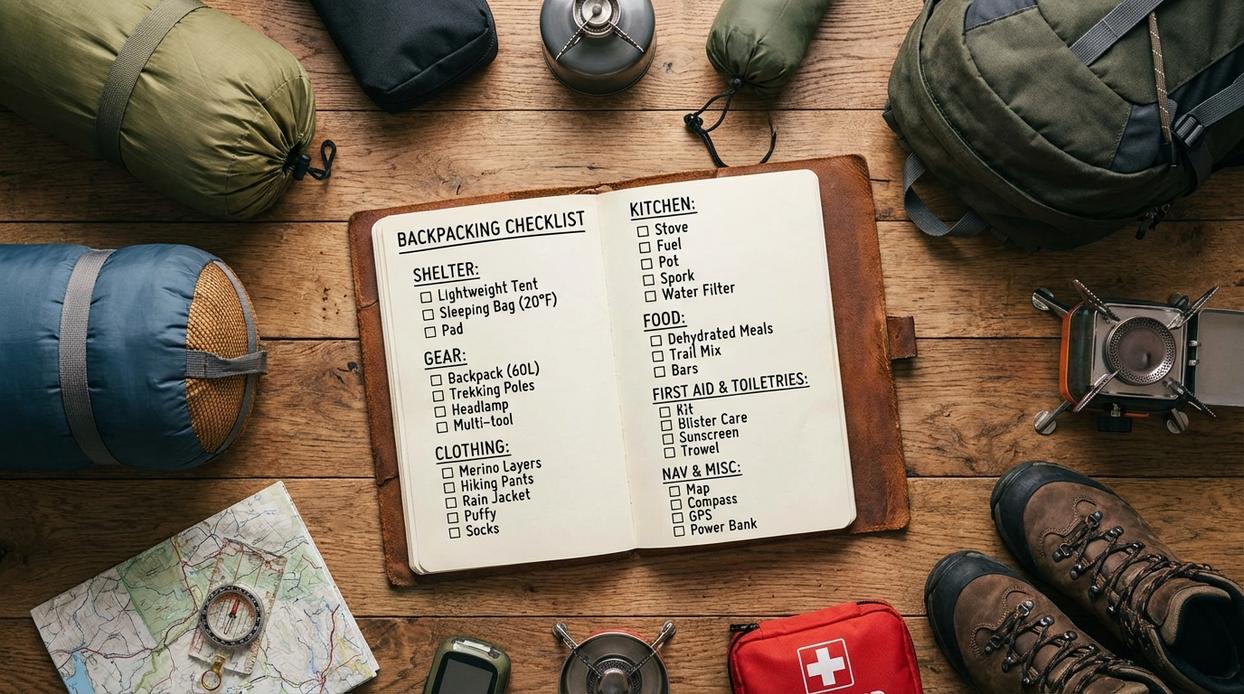
Your clothing system isn’t about fashion—it’s about thermoregulation (your body’s ability to maintain a safe core temperature). In the backcountry, that’s survival, not style.
The Layering Principle (No Cotton)
First, start with a moisture-wicking base layer—typically merino wool or synthetic fabric. “Moisture-wicking” means it pulls sweat away from your skin so you stay dry. Cotton, by contrast, absorbs moisture and dries slowly (hence the saying, “cotton kills”). According to the CDC, wet clothing in cool conditions significantly increases hypothermia risk.
Next, add an insulating mid-layer like fleece or a puffy jacket. This layer traps warm air close to your body. Finally, top it off with a waterproof and windproof shell—your shield against rain and biting wind. Think of it as your personal force field (minus the sci-fi glow).
Essentials for Your Extremities
Because heat escapes through your head, hands, and feet, pack a warm hat, sun hat, lightweight gloves, and at least two pairs of wool or synthetic hiking socks—one worn, one dry spare.
Footwear
Properly fitted, broken-in hiking boots or trail runners are critical. Choose based on terrain and ankle support needs. Pro tip: Test footwear on long day hikes before relying on it.
As you refine your backpacking packing list, remember that smart layering also supports how to pack a backpack for maximum comfort and balance.
The Lifeline: Navigation and Safety Essentials
When you’re miles from the trailhead, navigation and safety gear stops being “extra weight” and starts being your lifeline.
Wilderness Navigation Tools
Never rely solely on electronics. Batteries die. Screens crack. Signals vanish (usually right when you need them most). Carry a physical topographic map—a detailed map showing elevation changes—and a compass, and know how to use them together. A GPS device or phone with downloaded offline maps serves as your primary tool, but back it up with a power bank rated at least 10,000 mAh for multi-day trips. Redundancy isn’t overkill; it’s risk management. Include these in your backpacking packing list.
First-Aid and Repair Kit
Build a personalized first-aid kit focused on foot care (moleskin or blister pads), wound care (sterile gauze, antiseptic wipes), and pain relief (NSAIDs). Add a compact repair kit: duct tape wrapped around a trekking pole, zip ties, and a multi-tool with pliers and a blade. Small fixes prevent big problems.
Illumination and Emergency Items
A headlamp (minimum 200 lumens) with extra batteries is mandatory. Pack a whistle (audible up to a mile), waterproof fire starters, and a satellite messenger or personal locator beacon (PLB) for no-service zones. These tools don’t just add safety—they buy you time.
Pack with Confidence, Hike with Purpose
You came here looking for clarity—and now you have a proven, system-driven backpacking packing list that eliminates second-guessing and last-minute stress. No more lying awake wondering what you forgot. No more overpacking out of fear. Just a streamlined approach built around shelter, kitchen, clothing, and safety so you can step onto the trail prepared and focused.
Uncertainty in the backcountry isn’t just uncomfortable—it can be dangerous. Preparation is what turns anxiety into confidence.
Now it’s time to act. Download your checklist, build your kit, and hit the trail fully prepared. Thousands of outdoor enthusiasts trust this system—use it, pack smart, and start your next adventure today.
 Founder & Chief Exploration Officer
There is a specific skill involved in explaining something clearly — one that is completely separate from actually knowing the subject. Valdran Vornhaven has both. They has spent years working with outdoor packing essentials in a hands-on capacity, and an equal amount of time figuring out how to translate that experience into writing that people with different backgrounds can actually absorb and use.
Valdran tends to approach complex subjects — Outdoor Packing Essentials, Backcountry Concepts and Gear, Angle-Ready Wilderness Navigation being good examples — by starting with what the reader already knows, then building outward from there rather than dropping them in the deep end. It sounds like a small thing. In practice it makes a significant difference in whether someone finishes the article or abandons it halfway through. They is also good at knowing when to stop — a surprisingly underrated skill. Some writers bury useful information under so many caveats and qualifications that the point disappears. Valdran knows where the point is and gets there without too many detours.
The practical effect of all this is that people who read Valdran's work tend to come away actually capable of doing something with it. Not just vaguely informed — actually capable. For a writer working in outdoor packing essentials, that is probably the best possible outcome, and it's the standard Valdran holds they's own work to.
Founder & Chief Exploration Officer
There is a specific skill involved in explaining something clearly — one that is completely separate from actually knowing the subject. Valdran Vornhaven has both. They has spent years working with outdoor packing essentials in a hands-on capacity, and an equal amount of time figuring out how to translate that experience into writing that people with different backgrounds can actually absorb and use.
Valdran tends to approach complex subjects — Outdoor Packing Essentials, Backcountry Concepts and Gear, Angle-Ready Wilderness Navigation being good examples — by starting with what the reader already knows, then building outward from there rather than dropping them in the deep end. It sounds like a small thing. In practice it makes a significant difference in whether someone finishes the article or abandons it halfway through. They is also good at knowing when to stop — a surprisingly underrated skill. Some writers bury useful information under so many caveats and qualifications that the point disappears. Valdran knows where the point is and gets there without too many detours.
The practical effect of all this is that people who read Valdran's work tend to come away actually capable of doing something with it. Not just vaguely informed — actually capable. For a writer working in outdoor packing essentials, that is probably the best possible outcome, and it's the standard Valdran holds they's own work to.