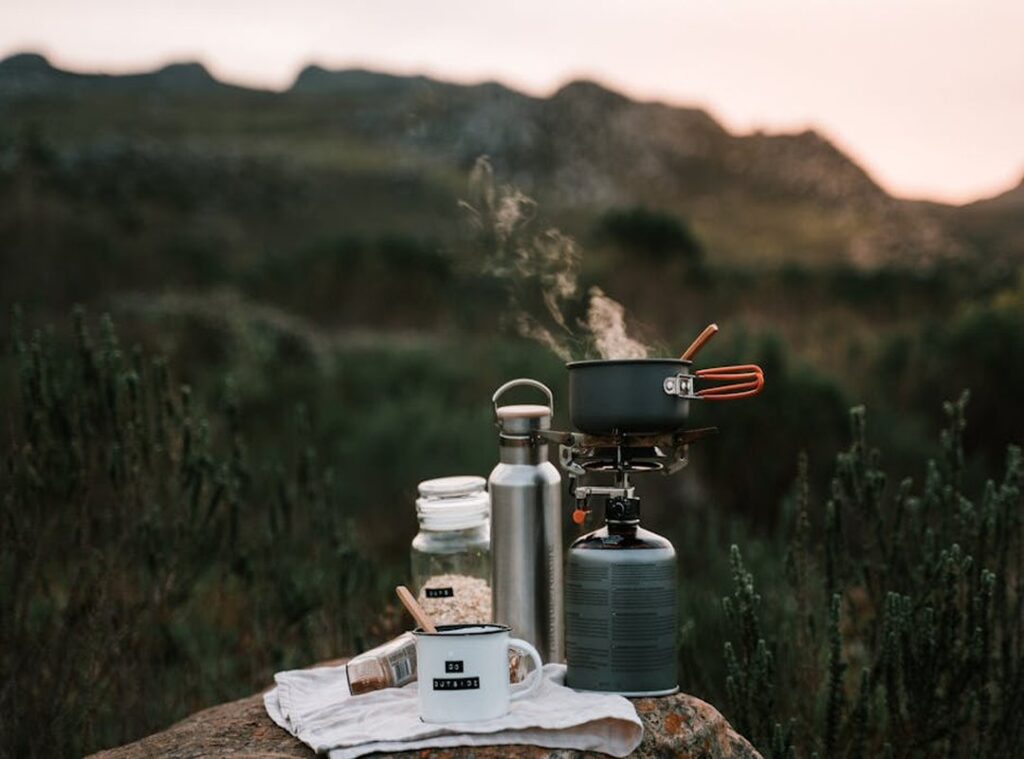

Winter hiking offers solitude, crystal-clear views, and a raw kind of beauty you simply can’t find in any other season. But it also demands preparation, awareness, and the right equipment. If you’re searching for winter hiking gear essentials, you’re likely planning a cold-weather adventure and want to make sure you’re fully prepared before stepping onto snowy trails.
This guide breaks down exactly what you need to stay warm, dry, and safe in freezing conditions—from layering systems and traction devices to navigation tools and emergency supplies. We focus on practical, field-tested recommendations designed for real backcountry conditions, not just fair-weather outings.
Our insights are grounded in extensive wilderness experience, hands-on gear testing, and proven survival principles used in remote environments. By the end of this article, you’ll know which gear truly matters, how it protects you, and how to confidently prepare for your next winter trek.
Step onto a snow-covered trail and the world goes quiet, every branch glazed in silver, every footstep a soft hush. It’s breathtaking—and unforgiving. Hypothermia, frostbite, and whiteouts don’t care about your summit selfie. The line between awe and emergency is your preparation. After years logging miles on frozen backcountry routes, I’ve learned that winter hiking gear essentials aren’t a checklist; they’re a system. This guide explains the why behind insulation layers, traction devices, navigation tools, and emergency shelters, so you can move confidently. Smart gear choices save lives—and make the cold magical. Preparation turns risk into remarkable reward. Every season.
The Layering System: Your Personal Climate Control
Winter comfort starts with a counterintuitive rule: be bold, start cold. In other words, begin slightly chilly so your body heat can build without soaking your clothes in sweat (yes, that first frosty minute is intentional). The three-layer system works like personal climate control, letting you add or subtract protection as conditions shift.
-
Base Layer (The Foundation)
Your base layer manages moisture. Moisture-wicking fabrics pull sweat away from skin so it can evaporate. Merino wool naturally regulates temperature and resists odor, while synthetics dry quickly and are often more durable. Cotton, however, absorbs up to 27 times its weight in water (U.S. Department of Agriculture textile data) and dries painfully slow. Wet cotton strips heat from the body, increasing hypothermia risk—hence the phrase “cotton kills.” The benefit? Stay dry, and you stay warm. -
Mid Layer (The Insulation)
This layer traps body heat. Fleece is breathable and insulates even when damp (great for high-output hikes). Down offers the best warmth-to-weight ratio—measured by fill power—but collapses when wet. Synthetic insulation bridges the gap, retaining warmth in damp conditions while remaining lightweight. The right pick depends on forecast and exertion level. -
Outer Layer (The Shield)
A waterproof/breathable hardshell blocks wind and rain in harsh weather, while a softshell prioritizes mobility and airflow on clearer days. Features like pit zips—underarm ventilation openings—dump excess heat fast.
Master this system and your winter hiking gear essentials become adaptable tools, not bulky burdens.
From the Ground Up: Footwear, Traction, and Stability
Insulated, Waterproof Boots
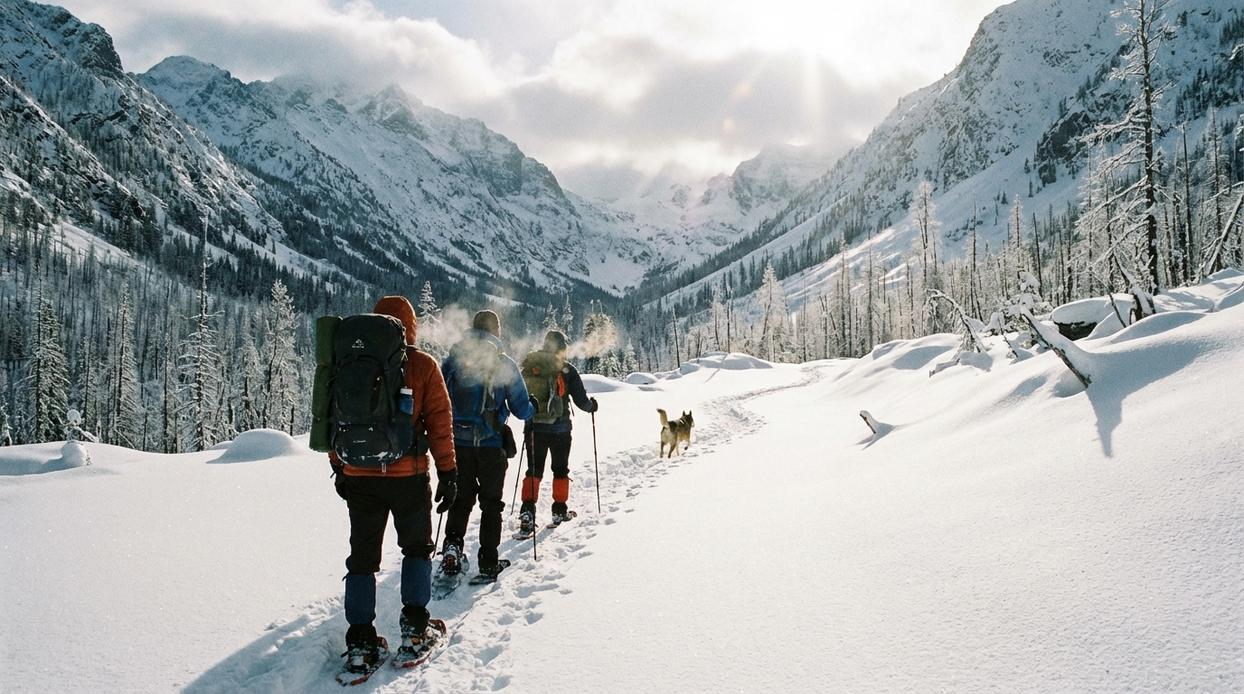
Winter boots aren’t just hiking boots with thicker socks. Look for pairs specifically rated for winter use—meaning insulated uppers and waterproof membranes designed for sub-freezing temps. Without insulation, heat escapes through compression (when your foot presses down, it squeezes warmth out—physics is rude like that). Make sure there’s room for thicker socks; tight boots restrict circulation, causing cold spots and blisters. A thumb’s width of space in the toe box is a smart benchmark.
Socks & Gaiters
Choose merino wool (a natural fiber that insulates even when wet) or high-quality synthetics. Cotton is a trap—it holds moisture and steals heat. Bring a dry spare pair. Wet socks at mile three can turn a fun hike into a survival scenario. Gaiters seal the gap between pants and boots, keeping deep snow out (because nothing ruins momentum like icy slush in your boot).
Traction is Non-Negotiable
Microspikes are ideal for packed snow and moderate ice. For steep, icy terrain, step up to crampons with aggressive points. Think of microspikes as all-season tires, crampons as snow chains.
Trekking Poles
Poles with snow baskets improve balance, reduce knee strain by up to 25% (Journal of Sports Sciences), and help probe snow depth. They’re a core part of winter hiking gear essentials. For lighter loads, review this minimalist day hike packing guide.
The Ten Essentials: Winter-Proofed for Survival
Navigation That Won’t Quit
First, let’s clarify a dangerous myth: your phone is not a dependable winter compass. Cold temperatures drain lithium-ion batteries quickly because chemical reactions slow down (science, not bad luck). That’s why a physical map and compass are mandatory—not backups, but co-pilots. A GPS device or phone should ride in an insulated pocket with a fully charged power bank. In freezing weather, redundancy isn’t overkill; it’s survival math.
Light and Fire
Next, understand this: winter daylight is short, and darkness falls fast. A headlamp keeps your hands free for tasks like pitching shelter. Choose lithium batteries—they outperform alkaline in the cold and last longer. For fire, pack stormproof matches or a reliable lighter plus dry tinder. “Tinder” simply means fast-igniting material, like waxed cotton or fire tabs, that helps spark stubborn wood. Fire equals warmth, signaling, and morale (all priceless at 20°F).
Emergency Shelter & Insulation
An emergency bivy—essentially a waterproof, heat-reflective sleeping sack—traps body warmth. Similarly, a space blanket reflects radiant heat. Add an insulated sitting pad; without it, conductive heat loss (heat escaping into cold ground) can chill you quickly during breaks.
Sun and Wind Protection
Snow reflects up to 80% of UV rays (EPA), increasing sunburn risk. Snow blindness is UV damage to the cornea. Wear UV-blocking sunglasses or goggles, sunscreen, and lip balm.
First-Aid Kit
Finally, tailor your kit. Include hand warmers and extra blister care. These winter hiking gear essentials prevent small issues from escalating fast.
Fueling the Engine: Hydration and Nutrition for the Cold
Most hikers assume freezing temperatures mean you sweat less and need less water. Wrong. Cold air is dry, and your body loses fluid through breath vapor you can literally see. Dehydration sneaks up fast (yes, even when you don’t feel thirsty). Use insulated bottles or hydration sleeves to prevent ice block disasters.
Your metabolism also revs higher to stay warm, burning more calories than summer treks.
- Nuts and nut butters
- Hard cheeses
- Jerky
- Dark chocolate
These beat energy bars that turn brick-solid. Smart winter hiking gear essentials include fuel that won’t fight back.
Winter doesn’t have to be the season that scares you off the trail. The real problem isn’t snow or wind; it’s being unprepared and feeling that slow, sinking panic when your toes go numb. That frustration is avoidable. Think in systems: layering, footwear, safety—not random gadgets tossed in a pack. When you approach winter hiking gear essentials this way, winter shifts from intimidating to invigorating. Cold becomes a challenge, not a catastrophe.
• Inventory what you own.
• Fill the true gaps.
• Test everything on a short, local hike.
Stop guessing and start preparing with intention and confidence.
As you prepare for your winter hiking adventures, don’t forget that packing essential gear goes hand in hand with the Emergency Items You Should Always Carry Outdoors for any unforeseen circumstances.
Ready for Your Next Winter Ascent?
You came here to make sure you’re fully prepared for cold-weather trails—and now you know exactly what it takes. From layering strategies to traction tools and winter hiking gear essentials, you have a clear picture of how to stay warm, dry, and steady when conditions turn harsh.
Winter hiking isn’t forgiving. The wrong gear can leave you cold, exhausted, or forced to turn back early. But the right preparation transforms icy paths and snow-covered ridgelines into unforgettable adventures.
Now it’s time to act. Review your kit, upgrade what’s missing, and test your setup before your next trek. Don’t wait until you’re ankle-deep in snow to realize you overlooked something critical.
If you want trusted trail-tested recommendations, in-depth gear breakdowns, and proven backcountry strategies from one of the top-rated outdoor insight platforms, explore our expert guides today. Get equipped, get confident, and get outside—your next winter summit is waiting.
 Head of Gear Intelligence & Field Testing
Bertha Mayonativers writes the kind of backcountry concepts and gear content that people actually send to each other. Not because it's flashy or controversial, but because it's the sort of thing where you read it and immediately think of three people who need to see it. Bertha has a talent for identifying the questions that a lot of people have but haven't quite figured out how to articulate yet — and then answering them properly.
They covers a lot of ground: Backcountry Concepts and Gear, Angle-Ready Wilderness Navigation, Campfire Recipes and Survival Skills, and plenty of adjacent territory that doesn't always get treated with the same seriousness. The consistency across all of it is a certain kind of respect for the reader. Bertha doesn't assume people are stupid, and they doesn't assume they know everything either. They writes for someone who is genuinely trying to figure something out — because that's usually who's actually reading. That assumption shapes everything from how they structures an explanation to how much background they includes before getting to the point.
Beyond the practical stuff, there's something in Bertha's writing that reflects a real investment in the subject — not performed enthusiasm, but the kind of sustained interest that produces insight over time. They has been paying attention to backcountry concepts and gear long enough that they notices things a more casual observer would miss. That depth shows up in the work in ways that are hard to fake.
Head of Gear Intelligence & Field Testing
Bertha Mayonativers writes the kind of backcountry concepts and gear content that people actually send to each other. Not because it's flashy or controversial, but because it's the sort of thing where you read it and immediately think of three people who need to see it. Bertha has a talent for identifying the questions that a lot of people have but haven't quite figured out how to articulate yet — and then answering them properly.
They covers a lot of ground: Backcountry Concepts and Gear, Angle-Ready Wilderness Navigation, Campfire Recipes and Survival Skills, and plenty of adjacent territory that doesn't always get treated with the same seriousness. The consistency across all of it is a certain kind of respect for the reader. Bertha doesn't assume people are stupid, and they doesn't assume they know everything either. They writes for someone who is genuinely trying to figure something out — because that's usually who's actually reading. That assumption shapes everything from how they structures an explanation to how much background they includes before getting to the point.
Beyond the practical stuff, there's something in Bertha's writing that reflects a real investment in the subject — not performed enthusiasm, but the kind of sustained interest that produces insight over time. They has been paying attention to backcountry concepts and gear long enough that they notices things a more casual observer would miss. That depth shows up in the work in ways that are hard to fake.