If you’re searching for reliable guidance on discovering hidden outdoor destinations, mastering essential survival skills, or upgrading your backcountry gear, this article is built with you in mind. Outdoor exploration is more popular than ever—but finding accurate, experience-backed information about secluded hiking trails, wilderness navigation, and lesser-known natural gems can be challenging. Misinformation and surface-level advice often leave adventurers underprepared and missing out on truly remarkable places.
Here, you’ll find practical insights designed to help you explore confidently and responsibly. We draw from field-tested outdoor practices, established navigation principles, and proven survival strategies to ensure the guidance you’re reading is dependable and actionable.
Whether your goal is to uncover quiet trails away from crowded parks, strengthen your backcountry preparedness, or refine your navigation skills, this article delivers clear, focused information to help you plan smarter adventures and make the most of every journey into the wild.
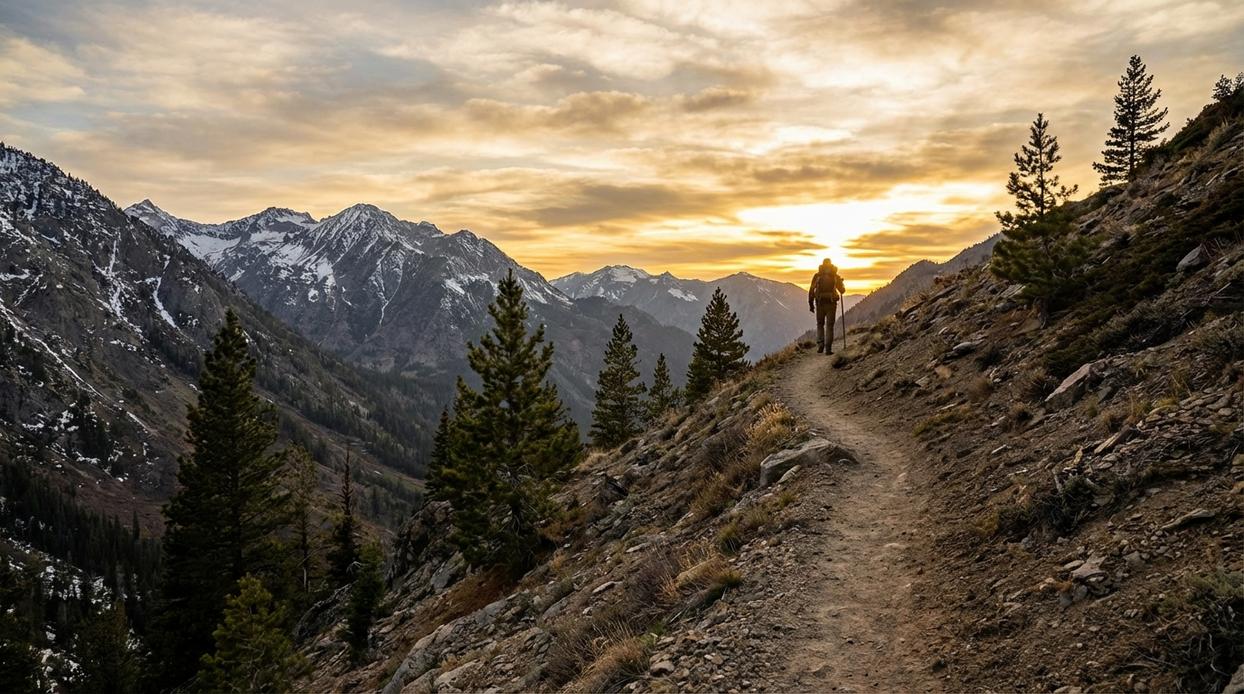
Craving silence in a world that scrolls endlessly? True wilderness hiking is less like visiting a park and more like stepping off the map’s edge. Popular paths resemble shopping malls with better scenery, but secluded hiking trails are hidden doorways into nature’s backstage.
Think of navigation as learning a new language; topo lines are sentences, contour intervals the grammar. Master them and the land starts talking.
Non-negotiables:
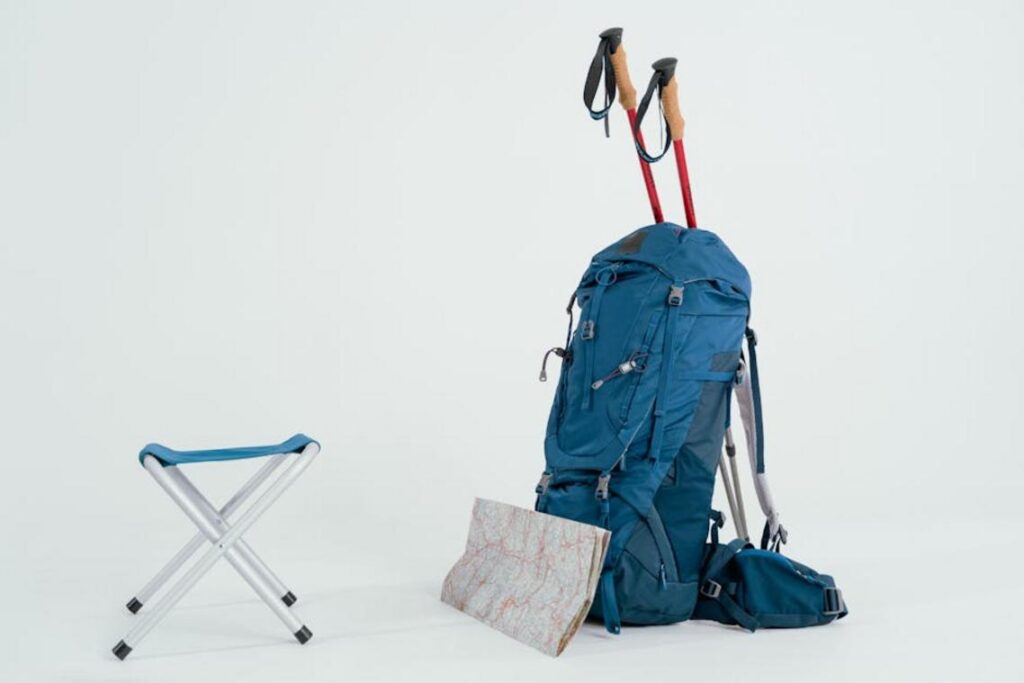
- Paper maps and compass (batteries die, paper doesn’t)
- Emergency shelter
- Water purification
Remote travel is chess, not checkers. Plan three moves ahead, respect risk, and solitude becomes sanctuary at last.
What ‘Remote’ Really Means
So, what makes a trail remote? “It starts where the pavement ends,” a search-and-rescue volunteer once told me. In other words, distance matters. When maintained roads, clear trailheads, and easy bail-out points disappear, isolation increases. Secluded hiking trails often begin miles beyond the last access point.
However, remoteness is more than mileage. It’s the lack of infrastructure:
- No cell service
- No designated campsites
- No restrooms
- Little to no maintenance
As one ranger put it, “If you twist an ankle out there, you’re your own first responder.” That’s increased self-reliance in plain terms. You must handle navigation, weather shifts, and emergencies without expecting quick rescue.
Finally, consider terrain. Significant elevation gain, unbridged river crossings, and overgrown paths naturally deter casual hikers. And because of that, fewer people venture in. Remote doesn’t just mean quiet—it means committing to responsibility with preparation and awareness always.
A Modern Explorer’s Toolkit for Discovering Hidden Gems
For those seeking the ultimate escape into nature, exploring secluded hiking trails off the beaten path can lead to hidden gems, much like discovering the serene beauty of Anglehozary.
Finding truly wild places today takes more than typing a trailhead into Google Maps. It requires a layered approach—digital precision, analog reliability, and human insight working together.
Digital Cartography: Smarter Mapping
Standard navigation apps show popular routes. To uncover forgotten paths, use USFS Motor Vehicle Use Maps (MVUM)—official U.S. Forest Service maps that display legal access roads, including old logging spurs often absent from commercial apps. Pair them with satellite layers on platforms like Gaia GPS or CalTopo. High-resolution imagery can reveal faint trail lines, clearings, or terrain breaks that suggest foot travel. (Think less “tour bus itinerary,” more Indiana Jones with Wi-Fi.)
Benefits:
- Identify low-traffic access points
- Confirm land boundaries and legal entry
- Spot terrain features before you go
The Power of Paper
Physical topographic maps show contour intervals, water sources, ridgelines, and unmaintained routes in a format that never runs out of battery. A 1:24,000-scale topo map provides detailed elevation data—critical for route planning and safety (U.S. Geological Survey). Digital tools fail; paper doesn’t.
Leveraging Local Knowledge
Park rangers and local gear shop staff often know which trails receive minimal foot traffic. Ask specific questions about seasonal closures, washouts, or lesser-known access points. Regional hiking forums can also reveal vetted routes toward secluded hiking trails without broadcasting them widely.
Strategic Search Queries
Use targeted searches:
- “[National Forest name] backcountry trails”
- “unmaintained trails near [region]”
- “cross-country routes”
Specific inputs yield specific adventures.
Gearing Up for True Self-Sufficiency in the Backcountry
The Navigation Trinity
True self-sufficiency starts with redundancy. Carry a physical map and compass (and know how to triangulate your position), a GPS device or phone app, and a satellite messenger or personal locator beacon (PLB). Step one: mark your trailhead and bailout points on both paper and digital maps. Step two: check coordinates at every major junction. Step three: reserve your PLB strictly for emergencies. Technology fails. Batteries die. Skills don’t.
The “Plus Ten” Essentials
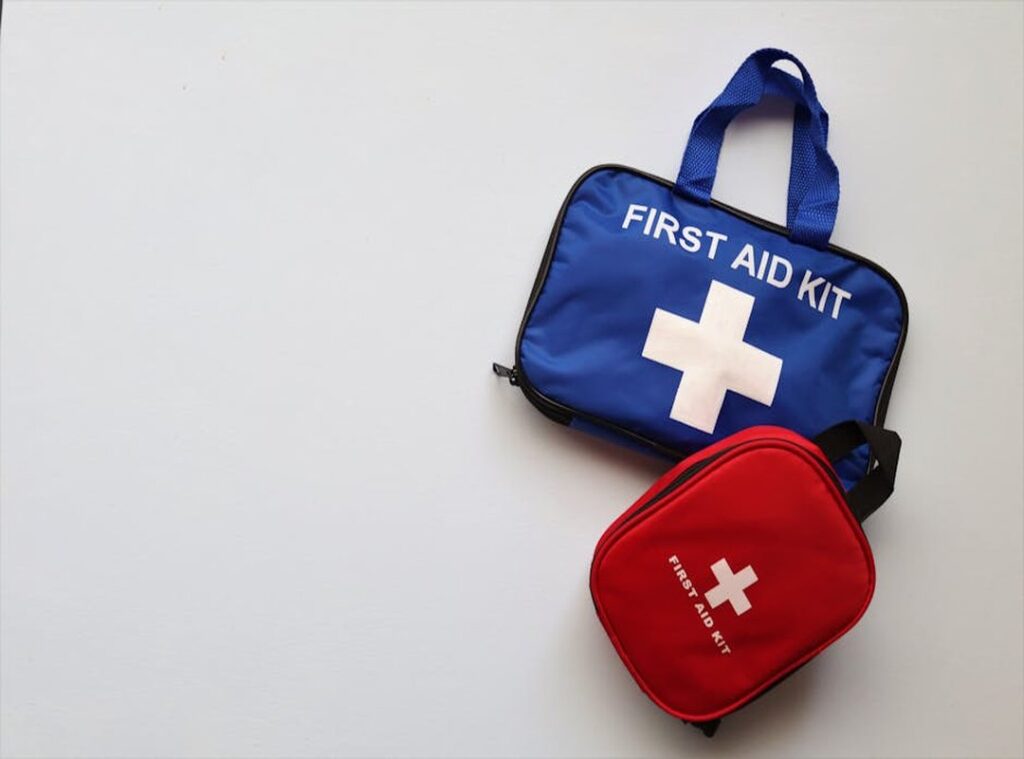
Upgrade the classic Ten Essentials. Pack a robust first-aid kit (include blister care and compression wrap), a water filter plus chemical purification tablets as backup, and an emergency bivy—even on day hikes. Weather shifts fast on secluded hiking trails. Pro tip: pre-pack essentials in waterproof pouches so you can grab them instantly.
Footwear & Clothing Systems
Wear broken-in boots only—never debut footwear on a 10-mile trek (that’s a horror movie waiting to happen). Use a layering system: moisture-wicking base (merino or synthetic), insulating mid-layer, waterproof shell. Adjust before you sweat.
Pack & Weight Management
Choose a pack that holds your load without dead space. Heavier items sit close to your spine, mid-back. Test on local hikes before attempting routes like hidden alpine lakes you can hike to in a day. Balance equals endurance.
Wilderness Skills: Your Most Important Survival Gear
Fancy gadgets fail. Skills don’t. Before lacing up your boots, start with an ironclad trip plan. This means documenting your exact route, expected timeline, gear list, vehicle make and plate number, and a clearly defined “panic time”—the moment someone should call authorities if you haven’t checked in. A panic time isn’t pessimistic; it’s a safety trigger that shortens rescue response. Leave this plan with a reliable contact (not just a note on your kitchen table).
Next, practice proficient navigation. A topographic map shows elevation changes through contour lines, while declination is the angle difference between magnetic north and true north. Learn to take a bearing (a precise directional measurement) and triangulate your position using landmarks. Practice in local parks before attempting secluded hiking trails. Pro tip: adjust your compass for declination before you start—mid-hike math invites mistakes.
Equally important is wildlife protocol. Store food in bear canisters or hang it 12 feet high and 6 feet from a trunk. During encounters, stay calm, appear larger, and never run (you’re not in a nature documentary chase scene).
Finally, master backcountry first aid. Stabilize sprains with compression, control bleeding with steady pressure, and recognize hypothermia’s early signs—shivering and confusion—before they escalate.
Choosing the path less traveled isn’t just poetic advice; it’s a strategy. When you leave crowded trailheads behind for secluded hiking trails, you trade convenience for clarity. Think of it like stepping out of the Shire and into the wilds beyond—less comfort, more growth. Meticulous planning is the quiet hero here: detailed maps, calibrated compasses, layered systems, and practiced navigation drills. Remote hiking means traveling far from roads and services, where self-reliance replaces cell signals. Critics argue popular routes are safer, and they’re right—risk rises with remoteness. But so does reward: cathedral-like silence, untouched vistas, and hard-earned confidence. Begin now.
Find Your Next Adventure Off the Beaten Path
You set out looking for real insight on discovering hidden outdoor gems, strengthening your wilderness navigation, and preparing with the right backcountry gear. Now you have a clearer path forward — and the confidence to take it.
The biggest frustration for outdoor enthusiasts isn’t a lack of trails. It’s overcrowded routes, poor preparation, and missing out on truly unforgettable terrain. When you know how to navigate safely, pack intentionally, and seek out secluded hiking trails, the entire experience changes. Adventure becomes immersive again.
Don’t let another weekend be spent on overrun paths or second‑guessing your skills. Take the next step: explore our expert-backed guides, upgrade your survival knowledge, and plan your next backcountry route with confidence. Join thousands of outdoor enthusiasts who rely on our trusted insights to explore smarter, safer, and farther.
Your next hidden trail is waiting — start planning today.
 Founder & Chief Exploration Officer
There is a specific skill involved in explaining something clearly — one that is completely separate from actually knowing the subject. Valdran Vornhaven has both. They has spent years working with outdoor packing essentials in a hands-on capacity, and an equal amount of time figuring out how to translate that experience into writing that people with different backgrounds can actually absorb and use.
Valdran tends to approach complex subjects — Outdoor Packing Essentials, Backcountry Concepts and Gear, Angle-Ready Wilderness Navigation being good examples — by starting with what the reader already knows, then building outward from there rather than dropping them in the deep end. It sounds like a small thing. In practice it makes a significant difference in whether someone finishes the article or abandons it halfway through. They is also good at knowing when to stop — a surprisingly underrated skill. Some writers bury useful information under so many caveats and qualifications that the point disappears. Valdran knows where the point is and gets there without too many detours.
The practical effect of all this is that people who read Valdran's work tend to come away actually capable of doing something with it. Not just vaguely informed — actually capable. For a writer working in outdoor packing essentials, that is probably the best possible outcome, and it's the standard Valdran holds they's own work to.
Founder & Chief Exploration Officer
There is a specific skill involved in explaining something clearly — one that is completely separate from actually knowing the subject. Valdran Vornhaven has both. They has spent years working with outdoor packing essentials in a hands-on capacity, and an equal amount of time figuring out how to translate that experience into writing that people with different backgrounds can actually absorb and use.
Valdran tends to approach complex subjects — Outdoor Packing Essentials, Backcountry Concepts and Gear, Angle-Ready Wilderness Navigation being good examples — by starting with what the reader already knows, then building outward from there rather than dropping them in the deep end. It sounds like a small thing. In practice it makes a significant difference in whether someone finishes the article or abandons it halfway through. They is also good at knowing when to stop — a surprisingly underrated skill. Some writers bury useful information under so many caveats and qualifications that the point disappears. Valdran knows where the point is and gets there without too many detours.
The practical effect of all this is that people who read Valdran's work tend to come away actually capable of doing something with it. Not just vaguely informed — actually capable. For a writer working in outdoor packing essentials, that is probably the best possible outcome, and it's the standard Valdran holds they's own work to.