If you’re searching for practical guidance on finding hidden alpine lakes, mastering backcountry navigation, or upgrading your wilderness skills, you’re in the right place. The outdoors offers incredible rewards—but only if you know where to look and how to prepare. Many adventurers struggle to move beyond crowded trails and overdone destinations, unsure how to uncover quieter routes, reliable gear setups, or overlooked natural gems.
This article is designed to change that. We break down proven navigation techniques, smart gear considerations, and field-tested survival principles that help you explore with confidence. Every recommendation is grounded in hands-on outdoor experience, careful research, and real-world application in demanding environments.
Whether you’re planning your next remote trek or simply want to sharpen your backcountry knowledge, you’ll find clear, actionable insights here—so you can travel farther, safer, and with a deeper appreciation for the wild places most people never see.
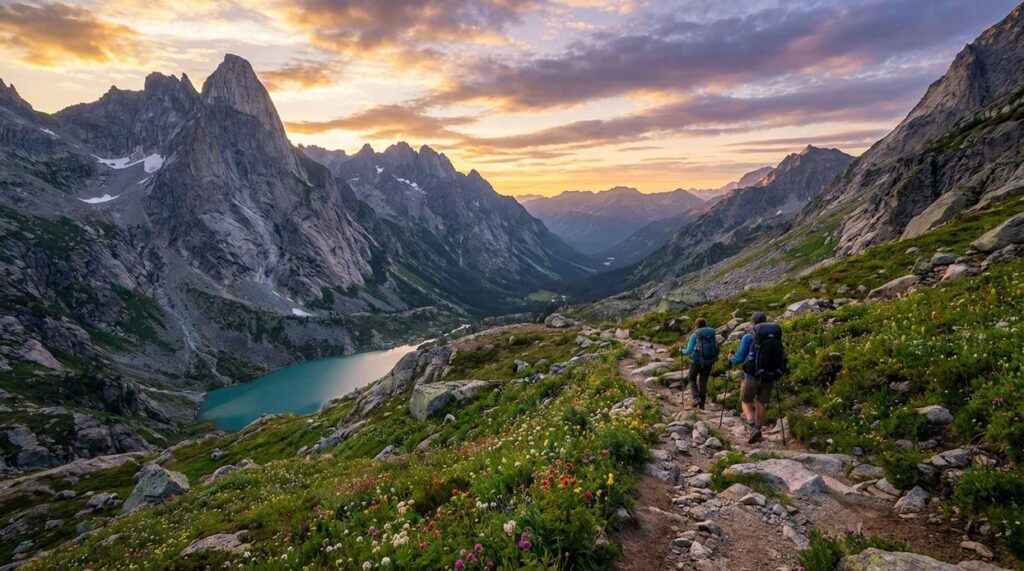
Few moments rival the shock of stumbling upon a turquoise lake cradled by jagged peaks, a place so still it feels undiscovered. Yet most postcard vistas now come with parking lots and crowds. In contrast, hidden alpine lakes demand effort. By “off-trail,” we mean traveling beyond maintained paths, using navigation tools like topographic maps—detailed charts showing elevation lines—and a compass. However, remoteness also requires planning: layering for sudden weather, filtering water, and packing emergency shelter. Think less theme park, more expedition. Pro tip: always file a trip plan with someone you trust. Ultimately, the journey becomes the reward.
Mapping Your Escape: How to Find Secluded Alpine Lakes
First, let’s talk about digital scouting. I’m a big believer in using tools like Google Earth and CalTopo before I ever lace up my boots. Scan for hanging valleys (elevated side valleys carved by glaciers), cirques (bowl-shaped depressions at a mountain’s head), and benches above main drainage systems. In my experience, if a lake sits off the obvious trail corridor, your odds of solitude skyrocket. Some purists argue that relying on tech cheapens the adventure. I disagree. Smart planning doesn’t dilute wilderness—it deepens it.
Next, master topographic maps. Contour lines show elevation; when they’re tight together, the terrain is steep. When they spread out, you’ve got gentler ground. Cliffs often appear where lines stack tightly or form abrupt breaks. Personally, I’d rather spot a brutal ascent on paper than halfway up a scree field (ask my knees why). Pro tip: trace potential routes along ridgelines instead of straight up drainages to avoid thick brush.
Then, interpret the landscape itself. Lush vegetation bands, darker green patches, and converging drainage lines often signal water. Even if a lake isn’t labeled, these clues can reveal tarns—small mountain lakes formed by glacial activity. That’s often how I locate hidden alpine lakes that never make glossy guidebooks.
Finally, cross-reference everything. Historical maps and geological surveys frequently confirm whether a basin actually holds water year-round. Some hikers say this is overkill. I say it’s preparation. In the backcountry, preparation isn’t paranoia—it’s freedom.
The Backcountry Kit for High-Altitude Lake Expeditions
High-altitude lake trips are stunning—but they’re also unforgiving. Thin air, volatile weather, and miles of isolation mean your gear choices can’t be casual. Here’s what I recommend.
Navigation Essentials: Beyond GPS
First, never rely solely on GPS. Batteries die. Signals drift. A baseplate compass (a compass with a clear, flat base for map work), a physical topographic map, and a wrist altimeter (which measures elevation using barometric pressure) are non-negotiable. Together, they let you triangulate your position even in whiteouts. According to the National Park Service, weather shifts are a leading contributor to backcountry disorientation (nps.gov). Pro tip: store your map in a waterproof sleeve and mark bailout routes in advance.
Alpine Shelter System
Next, choose shelter based on conditions, not weight alone. Ultralight tarps are compact and adaptable—but they demand skill and offer limited protection in high winds. Four-season tents, built with stronger poles and lower profiles, handle snow loading and gusts far better. If you’re targeting hidden alpine lakes above treeline, I strongly recommend a true four-season tent. Yes, it’s heavier. It’s also the difference between discomfort and danger.
Layering for Extremes
Then, build a smart layering system. Start with a moisture-wicking base layer, add active insulation (breathable mid-layer for movement), and pack a static puffy jacket for rest stops. Finish with a waterproof hard shell. Cotton? Leave it at home (seriously).
The ‘Ten Essentials’ Plus
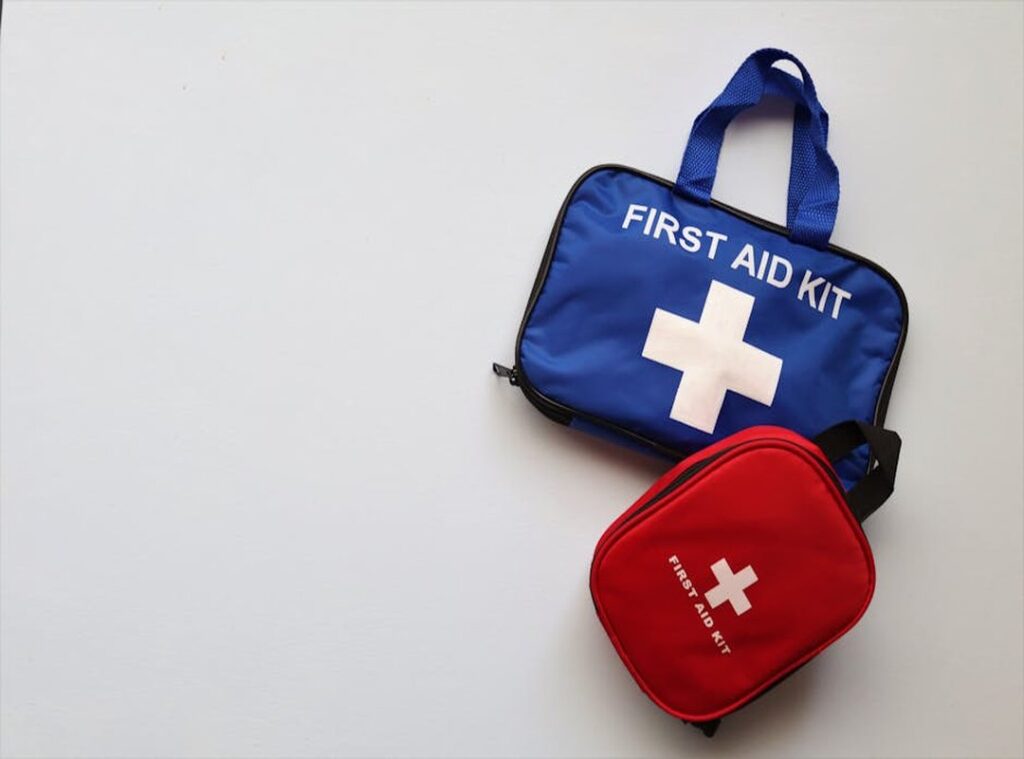
Finally, pack the Ten Essentials—navigation, illumination, sun protection, first aid, fire, repair kit, nutrition, hydration, emergency shelter, and extra clothing (American Hiking Society). Then add alpine upgrades: a satellite messenger, a reliable water filter or purifier, and a robust first-aid kit.
If you’re inspired by other remote terrain, explore lesser known desert landscapes with stunning views for contrast—and perspective.
Wilderness Skills for Remote Lake Exploration
Exploring remote lakes demands more than enthusiasm; it requires evidence-based backcountry judgment. According to the National Park Service, most search-and-rescue incidents stem from navigation errors and sudden weather shifts—not dramatic survival scenarios (NPS SAR Reports). Preparation matters.
Off-Trail Navigation
Without established paths, you rely on terrain reading. Handrailing—following a linear feature like a ridge or stream—reduces disorientation risk. Aiming off means deliberately targeting slightly left or right of your destination so you know which direction to turn when you hit a landmark. Taking a compass bearing (a measured direction of travel relative to magnetic north) remains one of the most reliable skills; studies from outdoor leadership programs show groups using compass-confirmed bearings reduce major route errors significantly.
- Identify backstops like cliffs or rivers to avoid overshooting.
- Confirm position frequently, not just when lost (that’s like checking your map after the movie ends).
Assessing Mountain Hazards
Rockfall increases during freeze-thaw cycles, particularly in late afternoon warmth. The Colorado Avalanche Information Center notes that unstable rock is common after rapid temperature swings. Watch for loose scree and avoid gullies. Afternoon thunderstorms form quickly in alpine zones due to convection; lightning risk peaks above treeline. Water crossings? Unbuckle your hip belt and face upstream to maintain balance.
Wildlife Awareness
Improper food storage contributes to the majority of bear incidents in North America (Interagency Grizzly Bear Committee). Use certified bear canisters or properly hung bear bags. Observe wildlife at a distance—especially near hidden alpine lakes where ecosystems are fragile.
Basic Survival Priorities
If delayed, prioritize:
- Shelter from wind and precipitation
- Fire for warmth and signaling
- Visible signals (bright fabric, whistle blasts in sets of three)
These aren’t dramatic skills—they’re proven ones.
Preserving Pristine Alpine Environments
The goal has always been simple: experience true wilderness—and ensure it stays wild. When you protect alpine terrain, you guarantee that the next trek offers the same silence, clarity, and awe you felt. That’s the real payoff.
First, follow the 7 Leave No Trace principles—guidelines designed to reduce human impact. In fragile high-elevation zones, three matter most. Travel on durable surfaces like rock or established trails to prevent erosion. Dispose of waste properly—pack it all out, even organic scraps (yes, even that orange peel). And minimize campfire impacts; above treeline, fires scar landscapes for decades.
Of course, some argue that one small footprint won’t matter. However, alpine ecosystems recover slowly, sometimes taking years to heal (National Park Service). Your restraint today preserves hidden alpine lakes and ridgelines tomorrow.
Ultimately, responsible exploration isn’t restriction—it’s legacy. Apply these principles on next adventure, and gain more than views; become steward.
Find the Hidden Alpine Lakes Most Adventurers Miss
You set out to discover how to reach hidden alpine lakes—the ones untouched by crowds, tucked beyond the main trails, and worth every ounce of effort. Now you know how to plan smarter routes, refine your navigation skills, pack the right backcountry gear, and travel safely into terrain most hikers never experience.
The truth is, the biggest frustration isn’t the miles—it’s not knowing where to start or how to go beyond the obvious. Wasted trips, overcrowded destinations, and missed turnoffs can turn an adventure into a letdown. But with the right preparation and wilderness strategy, those remote, glassy waters are no longer out of reach.
Here’s your next move: put this knowledge into action. Map out your route, dial in your gear, and commit to exploring one new alpine basin this season. If you want proven backcountry insights trusted by serious outdoor explorers, dive deeper into our expert guides and start planning your next escape today. The mountains are waiting—go find what others overlook.
 Wilderness Navigation & Survival Content Strategist
Diane Khanatibo writes the kind of backcountry concepts and gear content that people actually send to each other. Not because it's flashy or controversial, but because it's the sort of thing where you read it and immediately think of three people who need to see it. Diane has a talent for identifying the questions that a lot of people have but haven't quite figured out how to articulate yet — and then answering them properly.
They covers a lot of ground: Backcountry Concepts and Gear, Angle-Ready Wilderness Navigation, and plenty of adjacent territory that doesn't always get treated with the same seriousness. The consistency across all of it is a certain kind of respect for the reader. Diane doesn't assume people are stupid, and they doesn't assume they know everything either. They writes for someone who is genuinely trying to figure something out — because that's usually who's actually reading. That assumption shapes everything from how they structures an explanation to how much background they includes before getting to the point.
Beyond the practical stuff, there's something in Diane's writing that reflects a real investment in the subject — not performed enthusiasm, but the kind of sustained interest that produces insight over time. They has been paying attention to backcountry concepts and gear long enough that they notices things a more casual observer would miss. That depth shows up in the work in ways that are hard to fake.
Wilderness Navigation & Survival Content Strategist
Diane Khanatibo writes the kind of backcountry concepts and gear content that people actually send to each other. Not because it's flashy or controversial, but because it's the sort of thing where you read it and immediately think of three people who need to see it. Diane has a talent for identifying the questions that a lot of people have but haven't quite figured out how to articulate yet — and then answering them properly.
They covers a lot of ground: Backcountry Concepts and Gear, Angle-Ready Wilderness Navigation, and plenty of adjacent territory that doesn't always get treated with the same seriousness. The consistency across all of it is a certain kind of respect for the reader. Diane doesn't assume people are stupid, and they doesn't assume they know everything either. They writes for someone who is genuinely trying to figure something out — because that's usually who's actually reading. That assumption shapes everything from how they structures an explanation to how much background they includes before getting to the point.
Beyond the practical stuff, there's something in Diane's writing that reflects a real investment in the subject — not performed enthusiasm, but the kind of sustained interest that produces insight over time. They has been paying attention to backcountry concepts and gear long enough that they notices things a more casual observer would miss. That depth shows up in the work in ways that are hard to fake.