Choosing between backpacking vs mountaineering gear can feel overwhelming, especially when the stakes include your safety, comfort, and success in the outdoors. If you’re planning a multi-day trek or preparing for high-altitude alpine terrain, you need to understand exactly how these two categories of gear differ—and why those differences matter.
This article breaks down the essential distinctions in weight, durability, technical features, and performance expectations. You’ll learn when lightweight backpacking equipment is sufficient and when specialized mountaineering gear becomes non-negotiable. We’ll also highlight common mistakes outdoor enthusiasts make when crossing over between the two.
Our insights are grounded in real-world field testing, hands-on backcountry experience, and careful evaluation of gear across varied terrain and weather conditions. By the end, you’ll have the clarity needed to choose equipment that matches your objective—so you can head out prepared, confident, and ready for the terrain ahead.
From Gentle Trails to Alpine Peaks: Why Your Gear Must Evolve
I once carried a lightweight backpacking tent onto a glaciated ridge. Big mistake. The poles bent under alpine winds, and I spent the night reinforcing them with cord (not exactly restful). That failure taught me a hard truth: the mountain doesn’t care about your convenience.
Understanding backpacking vs mountaineering gear is about consequences, not comfort.
- Backpacking gear prioritizes weight and efficiency.
- Mountaineering gear prioritizes durability and protection.
I’ve also overpacked on mellow trails, hauling crampons “just in case.” Lesson learned: match equipment to objective, or risk safety and stamina.
The Fundamental Divide: Terrain and Consequence
At first glance, the backcountry can look like one big playground. However, the differences between backpacking and mountaineering environments are anything but subtle. Backpacking typically unfolds on established trails with predictable terrain—dirt paths, rocky switchbacks, maybe a muddy stretch after rain. The real test is endurance: miles underfoot and the slow grind of pack weight.
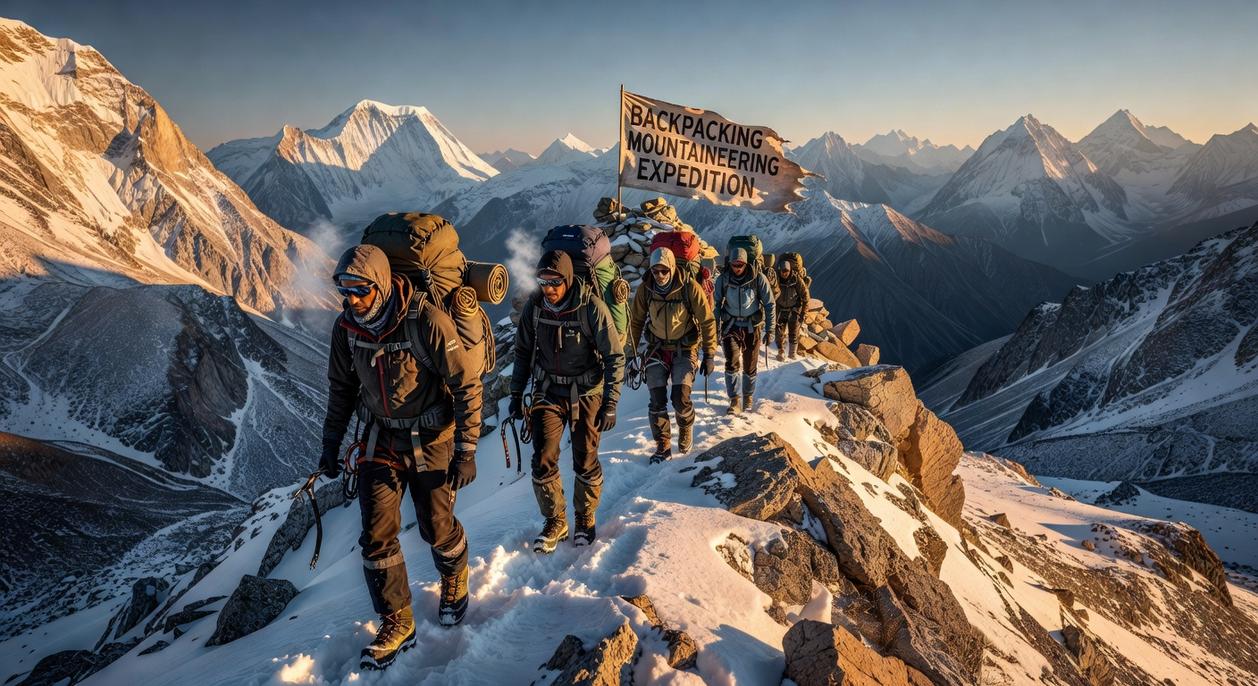
Mountaineering, on the other hand, steps off the trail entirely. You’re navigating vertical terrain, snowfields, ice, and crevasses—natural cracks in glaciers that can swallow a person whole. Add exposure (the degree to which a fall would have serious consequences) and volatile alpine weather, and the margin for error shrinks fast. It’s less “weekend escape” and more Everest documentary.
Some argue the line is blurry—and sure, there’s overlap. Still, I believe backpacking vs mountaineering gear exists for a reason. One prioritizes lightweight comfort; the other prioritizes durability and technical safety. When consequences rise, performance matters more than ounces.
Footwear: The Foundation of Your Journey
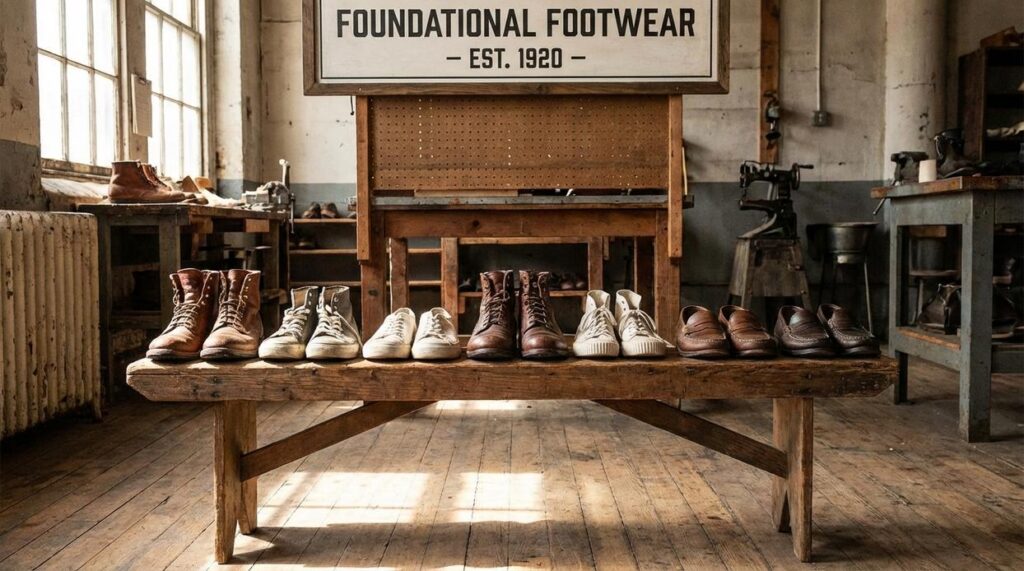
Before you take a single step into the backcountry, pause and consider what’s carrying you forward. Boots aren’t just gear; they’re the interface between your body and the earth—gravel crunching underfoot, damp moss compressing softly, snow squeaking in subzero air.
For maintained trails and long miles, backpacking boots or trail runners prioritize flexibility, breathability, and cushioning. Your stride feels natural, almost springy, as airflow keeps sweat from pooling and rubbing (because blisters can ruin a trip faster than bad weather). Lightweight, waterproof options shed rain while letting your feet flex over roots and rock.
However, once the terrain turns icy and steep, everything changes. Mountaineering boots bring rigid or semi-rigid soles, insulation that traps warmth against biting wind, and full waterproofing that seals out slush. The leather or synthetic shell feels firm—unyielding by design—so you can kick steps into snow and lock crampons securely in place.
The key distinction in backpacking vs mountaineering gear comes down to:
- Crampon compatibility
- Sole rigidity
A flexible hiking boot may feel comfortable on dirt, yet it folds dangerously on ice. Pro tip: always match stiffness to terrain difficulty. In the mountains, the wrong sole doesn’t just feel awkward—it sounds like slipping gravel and ends in silence.
Shelter and Sleep Systems: Battling Elements vs. Shedding Ounces
When choosing shelter and sleep systems, you’re really deciding what risks you’re willing to tolerate.
For most hikers, a 3-season backpacking tent is enough. These tents prioritize low weight, airflow, and compact pack size. Lightweight poles and thin technical fabrics keep your base weight down (your base weight is everything you carry except food and water). If you’re trekking well-marked trails in mild conditions, this is the smart pick.
But above treeline or in winter? Upgrade. Mountaineering tents are true 4-season shelters built to survive high winds and snow loads. Their stronger pole structures and steeper wall angles reduce snow accumulation—a critical design feature when storms roll in fast.
The same logic applies to sleep systems. Backpacking bags emphasize warmth-to-weight ratio, often using down insulation. Mountaineering demands higher fill power or synthetic insulation, which retains warmth when wet. Pair that with a high R-value pad (a measure of insulation against ground heat loss). Snow will drain body heat faster than you think.
If you’re unsure, lean toward safety in the backpacking vs mountaineering gear debate. Ounces matter—but exposure matters more.
For cold-weather layering strategy, review layering systems 101 staying warm in remote environments.
Recommendation: Match your system to the harshest condition you realistically expect—not the forecast you hope for.
The Tools of the Trade: From Trekking Poles to Ice Axes
At first glance, a backpack is just a backpack. However, the differences matter more than most people realize. Backpacking packs prioritize volume and comfort for long trail miles. In contrast, mountaineering packs are streamlined, abrasion-resistant, and built with attachment points for ice tools and rope. The benefit? Better balance, less fatigue, and gear that works with you instead of against you when terrain turns technical.
This is where backpacking vs mountaineering gear becomes more than semantics. Mountaineering introduces essential hardware you simply won’t find on a casual trek: ice axes (tools designed for stability and self-arrest, which means stopping yourself during a fall), crampons (spiked traction devices for ice), helmets, harnesses, ropes, and protection like ice screws and pickets. Each piece increases safety margins dramatically. That translates to confidence on exposed slopes and the ability to move efficiently rather than hesitantly.
Meanwhile, navigation steps up as well. While both pursuits demand map and compass skills, mountaineering often requires GPS devices with altimeters and barometers to interpret elevation and weather shifts. In whiteout conditions, that precision can mean the difference between a controlled descent and a dangerous detour. Ultimately, the right tools expand where you can go—and how safely you return.
I once set out on what I thought was a straightforward alpine trek. The forecast looked friendly, the trailhead was busy, and I felt READY. Halfway up, the path turned to ice and loose scree. My lightweight kit—perfect for distance—felt laughably underprepared for exposure. That day drilled in a lesson I won’t forget.
You now understand the difference between backpacking vs mountaineering gear. One is built for covering miles. The other is engineered for vertical risk, load-bearing strength, and survival when conditions turn hostile.
Some argue good technique matters more than specialized equipment. Skill absolutely counts (pro tip: practice self-arrest before you need it). But skill without mission-specific tools is like bringing a tennis racket to a sword fight—brave, maybe cinematic, but misguided.
The mistake is assuming gear is interchangeable. It’s not.
Before your next trip, lay everything out and ask:
- Is this built for walking?
- Or is it built for climbing?
That answer will define your outcome.
Ready for Your Next Ascent
You set out to understand the real differences in backpacking vs mountaineering gear, and now you have a clear roadmap. You know which tools are built for rugged alpine conditions and which are designed for lighter, longer treks. More importantly, you understand how choosing the wrong setup can cost you comfort, safety, and confidence in the wild.
The pain point is real: investing in the wrong gear can weigh you down, drain your energy, and even put you at risk when conditions turn harsh. The right equipment isn’t just about performance — it’s about survival, efficiency, and peace of mind on every mile of trail or vertical climb.
Now it’s time to act. Audit your current kit. Identify what matches your terrain and what doesn’t. Upgrade strategically so every piece of gear earns its place in your pack. Rely on trusted, field-tested guidance from one of the top-rated outdoor insight sources to make smart, confident decisions.
Don’t head into your next adventure uncertain. Equip yourself properly, plan intentionally, and step into the backcountry knowing you’re prepared for whatever the horizon throws your way.