
Planning a trip to America’s national parks should feel exciting—not confusing. If you’re searching for the latest national park travel updates, you likely want clear information on closures, seasonal access changes, permit requirements, weather impacts, and new regulations that could affect your plans. This article delivers exactly that: timely, practical updates designed to help you prepare smarter and travel with confidence.
From shifting backcountry access rules to campground availability and trail advisories, we’ve compiled the most relevant developments so you don’t have to dig through scattered sources. Our insights are informed by up-to-date park service releases, ranger advisories, and on-the-ground outdoor reports to ensure accuracy and reliability.
Whether you’re planning a backcountry trek, a family road trip, or a last-minute weekend escape, you’ll find the essential information you need right here—so you can spend less time researching logistics and more time experiencing the wild places you came to see.
What You Need to Know Before Your Next National Park Trip
America’s national parks have lured travelers for over a century, and in 2024 their appeal feels stronger than ever. However, visiting today is more complicated than it was back in 2019. Timed-entry permits, lottery systems, and shifting closures can derail even seasoned hikers. Some argue spontaneity is part of the adventure (and they’re not wrong). But without checking national park travel updates, you risk driving hours only to be turned away at the gate. Plan ahead, confirm reservations, and build flexibility into your itinerary. Pro tip: screenshot permits early.
The Reservation Revolution: Mastering Timed-Entry Permits
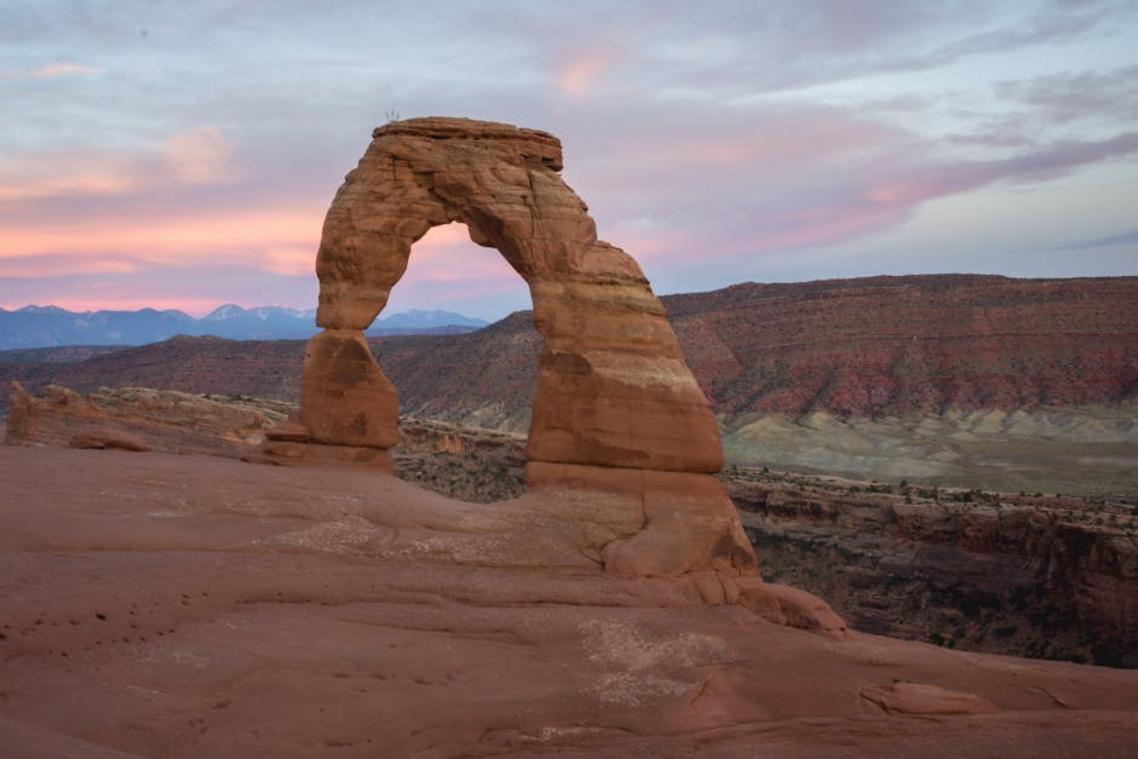
National parks didn’t add reservation systems to make your vacation harder. They did it because crowds were loving these places to death. Over-tourism (when visitor numbers exceed what an area can sustainably handle) leads to trampled vegetation, wildlife disruption, traffic gridlock, and unsafe conditions. Fragile ecosystems—like desert cryptobiotic soil in Arches or alpine tundra in Rocky Mountain—can take decades to recover from a single careless step (National Park Service).
Here’s where reservations matter most:
- Arches: Timed-entry tickets required during peak months for park access.
- Glacier: Vehicle reservations for Going-to-the-Sun Road and select areas.
- Rocky Mountain: Timed-entry permits, with separate options that include or exclude Bear Lake Road.
- Zion: Permits for Angels Landing; shuttle system required for Zion Canyon during most of the year.
If you want in, follow this strategy:
- Identify exact release dates and times on Recreation.gov.
- Create and log into your account early (pro tip: store payment info in advance).
- Be online the second permits drop—they often sell out in minutes.
Some argue spontaneity is part of adventure (and they’re not wrong). But showing up without a plan today is like expecting concert tickets at the door for a sold-out show.
Missed the window? Try entering during non-permit hours, visit less-crowded districts, or monitor Recreation.gov for cancellations and last-minute releases. Also, check official national park travel updates before adjusting plans.
Recommendation: Treat permits as part of trip planning, not an obstacle. The extra prep protects the very landscapes you came to see—and guarantees you actually get to see them.
Navigating On-the-Ground Realities: Closures, Construction, and Shuttles
First, let’s talk roads. Infrastructure projects and seasonal repairs are now part of the national park experience. Take Glacier’s Going-to-the-Sun Road. One ranger told me, “People assume it’s fully open by June. Some years, snow removal alone pushes that to July.” In other words, iconic doesn’t mean accessible. Therefore, checking conditions the night before—and again the morning you leave—isn’t overkill. It’s smart planning.
Meanwhile, trails can close without much notice. Weather damage, fallen timber, wildfire recovery, or wildlife management (especially bear activity) can shut down a route you’ve mapped for months. I once overheard a hiker say, “But this was the highlight of our trip!” The ranger calmly replied, “The bears didn’t get the memo.” Fair point. A closure isn’t arbitrary; it’s usually about safety, habitat protection, or maintenance.
Then there are mandatory shuttle systems, increasingly common in places like Zion and the Grand Canyon. As one shuttle driver explained, “If you miss the 8:00 a.m. departure, your whole day shifts.” So plan around ticket reservations, boarding windows, and stop locations. Build buffer time. (Pro tip: screenshot your booking confirmation in case cell service disappears.)
For broader context, explore top outdoor adventure trends shaping 2026: https://anglehozary.com/top-outdoor-adventure-trends-shaping-2026/.
Ultimately, the single most reliable source for real-time national park travel updates is the official NPS.gov page for your park. Check the “Alerts & Conditions” section daily. Plans change. Conditions shift. The prepared traveler adapts—and still has an unforgettable trip.
Packing for the Modern Park Experience
Last summer, I stood at a trailhead staring at a dead phone and a QR code shuttle pass I couldn’t access. That was the day I learned the modern park experience runs on battery life (and humility).
Start with power. A portable power bank is no longer optional. Digital entry passes, campground reservations, and even trail updates live on your phone. Without backup power, you’re essentially locked out of your own itinerary.
Download maps for offline use. Apps like Gaia GPS and AllTrails allow offline navigation—meaning your GPS works even when cell service doesn’t (which is often). Digital navigation refers to using satellite-based positioning rather than cellular data, a crucial distinction in remote terrain.
To stay ahead of changing conditions, I also check national park travel updates before leaving service.
Reinforce self-sufficiency:
- Extra water beyond your planned mileage
- High-energy snacks like nuts or bars
- A basic first-aid kit with blister care
Crowds and limited services mean fewer quick fixes.
Finally, pack flexible layers. Mountain weather shifts fast. A lightweight rain shell and insulating mid-layer can turn a miserable shuttle wait into a minor inconvenience. (Pro tip: merino wool regulates temperature better than cotton.)
Finding Solitude the Hard Way
I once showed up at a famous trailhead at 10 a.m. in July. Mistake. It felt like a music festival without the band. Since then, I follow three hard-earned rules:
- Go early or stay late. Before 8 a.m. or after 4 p.m., crowds thin and wildlife reappears.
- Explore the “other 90%.” Skip the marquee overlooks and try lesser-known areas like Kolob Canyons.
- Choose shoulder seasons. Spring and fall bring calmer trails and better light.
Also, check national park travel updates before planning. Trust me, sleeping in is rarely worth the solitude lost on crowded trails.
Last spring, I stood at a trailhead in disbelief. My campsite reservation had shifted, and a sudden shuttle change nearly derailed the trip. That moment taught me something: navigating complex reservations and adapting to on-the-ground changes requires proactive planning. In fact, the days of spontaneous park visits are fading, yet a well-planned adventure can feel even more rewarding. Moreover, national park travel updates exist to protect fragile landscapes for future generations. So, instead of resisting the process, embrace it. Map permits, confirm bookings, and build backup plans. Your next great outdoor journey deserves confident, informed preparation. Start planning today. Boldly.
Stay Ready for Your Next Wild Adventure
You came here looking for clarity on the latest national park travel updates, backcountry access changes, and how to prepare for your next outdoor escape. Now you know what’s shifting, what to watch for, and how to plan smarter so your trip doesn’t get derailed by unexpected closures, weather risks, or permit changes.
When you’re heading into the wild, uncertainty is your biggest pain point. Missed alerts, outdated trail info, or overlooked safety prep can turn an epic trip into a stressful one. Staying informed isn’t just convenient—it’s essential for protecting your time, your investment, and your safety.
Make it a habit to check for real-time national park travel updates, review your gear checklist, and map your route before every trip. Small steps now prevent big problems later.
If you want reliable, field-tested insights trusted by thousands of outdoor enthusiasts, don’t leave your next adventure to chance. Get the latest updates, expert backcountry guidance, and practical survival tips in one place. Check the newest reports now and plan your next trip with confidence.