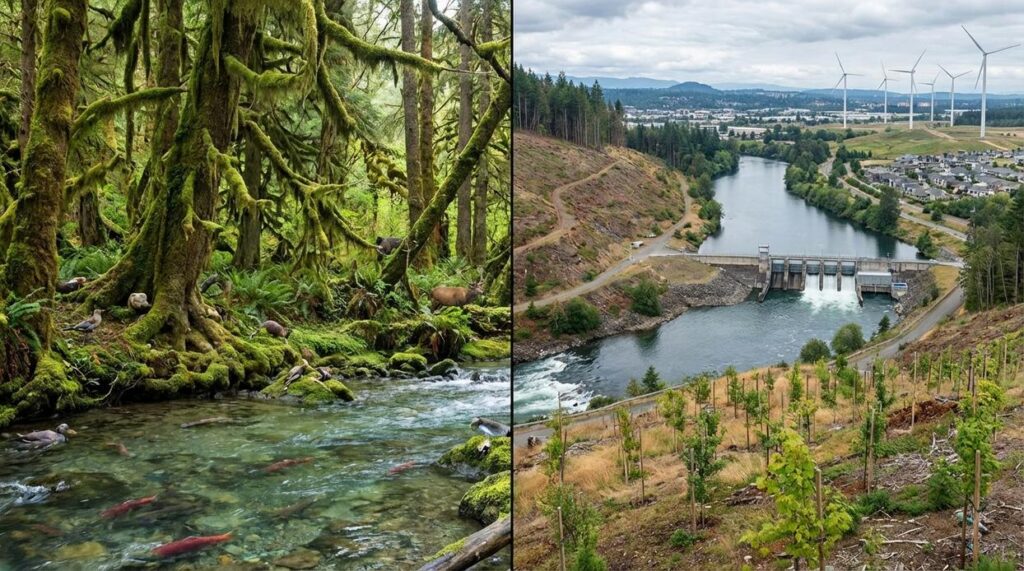
If you’ve been wondering how shifting weather patterns are reshaping your time on the trail, this guide is built for you. Hikers across the country are noticing longer fire seasons, washed‑out paths, unpredictable storms, and changing wildlife patterns—and they’re searching for clear, practical answers about the climate change hiking impact on safety, gear, route planning, and overall experience.
This article breaks down exactly how climate change is altering trail conditions, seasonal accessibility, and backcountry risk levels. You’ll learn what’s happening, why it matters for your next trip, and how to adapt with smarter preparation and route choices.
Our insights are grounded in up‑to‑date environmental data, land management reports, and field observations from experienced backcountry explorers who track changing conditions year after year. The goal is simple: give you reliable, actionable information so you can hike smarter, safer, and more confidently in a changing outdoors.
Remember when your favorite trail felt predictable—solid switchbacks, a modest creek crossing, that shady overlook right on schedule?
That same path now looks different: deeper ruts, a wider stream, maybe a fire-scarred ridge.
That’s climate change hiking impact in real time.
Understanding these shifts gives you an edge: safer route planning, smarter gear choices, and sharper wildlife awareness.
We’ll break down how warming temperatures accelerate erosion, intensify wildfires, and alter migration patterns—then show you practical ways to adapt and advocate.
Because the more you know, the better your next hike becomes.
We will explore the observable changes reshaping hiking environments.
The Unseen Forces: Erosion, Flooding, and Trail Degradation
First, consider intensified weather events. Atmospheric rivers—long, narrow bands of concentrated moisture—now dump record-breaking rainfall in hours, not days. Stronger thunderstorms do the same. When soil becomes oversaturated, it loses cohesion (think of a sandcastle collapsing at high tide), leading to rapid erosion and full trail washouts. According to the U.S. Geological Survey, extreme precipitation events in the U.S. have increased in frequency and intensity over recent decades. As a result, once-stable switchbacks are turning into gullies almost overnight.
Meanwhile, the freeze-thaw cycle—when water seeps into cracks, freezes, expands, and then thaws—is growing more volatile. Warmer winters followed by sharp cold snaps destabilize high-elevation terrain, triggering rockfalls and loose scree fields. This pattern directly shapes the climate change hiking impact many trekkers now notice underfoot.
For scale, look at Yellowstone National Park’s 2022 floods, which washed out roads and trails across millions of acres, forcing long-term closures.
Backcountry gear tip: trekking poles with wider mud baskets improve stability in soft ground, while waterproof boots with aggressive lugs enhance traction on slick, unstable surfaces. In shifting terrain, small gear upgrades translate into major safety gains.
After the Burn: Wildfires and the New Trail Landscape
Wildfire season used to be a season. Now it’s a stretch of the calendar that barely blinks. Hotter, drier conditions have extended burn windows across the West, leading to longer trail closures and unstable reopenings (NOAA, 2023). This is the real climate change hiking impact—not just smoky sunsets, but rerouted trails and vanishing access.
Some argue fire is natural, and they’re right. Many ecosystems evolved with periodic burns. But today’s megafires burn hotter and larger than historical norms, fundamentally reshaping trail systems (U.S. Forest Service, 2022).
Post-Fire Hazards You Won’t See on Instagram
A burn scar is terrain transformed:
- Hydrophobic soil (soil that repels water) increases flash flood risk after even light rain.
- Standing dead trees, called snags, fall without warning.
- Landmarks disappear, making navigation tricky even on familiar routes.
Pro tip: download offline topo maps before entering a recent burn area—trail markers may be gone.
Ecological Whiplash
Yes, wildflowers can explode in the first spring after a fire (think neon lupine fields). But invasive species often move in faster than native plants, altering biodiversity for years.
Before every hike:
- Check active fire reports.
- Review the Air Quality Index (AQI) via AirNow.gov.
- Identify at least two evacuation routes.
For solo risk planning, see the rise of solo backpacking what the latest data shows.
A Changing Ecosystem: Wildlife, Water, and Wilderness
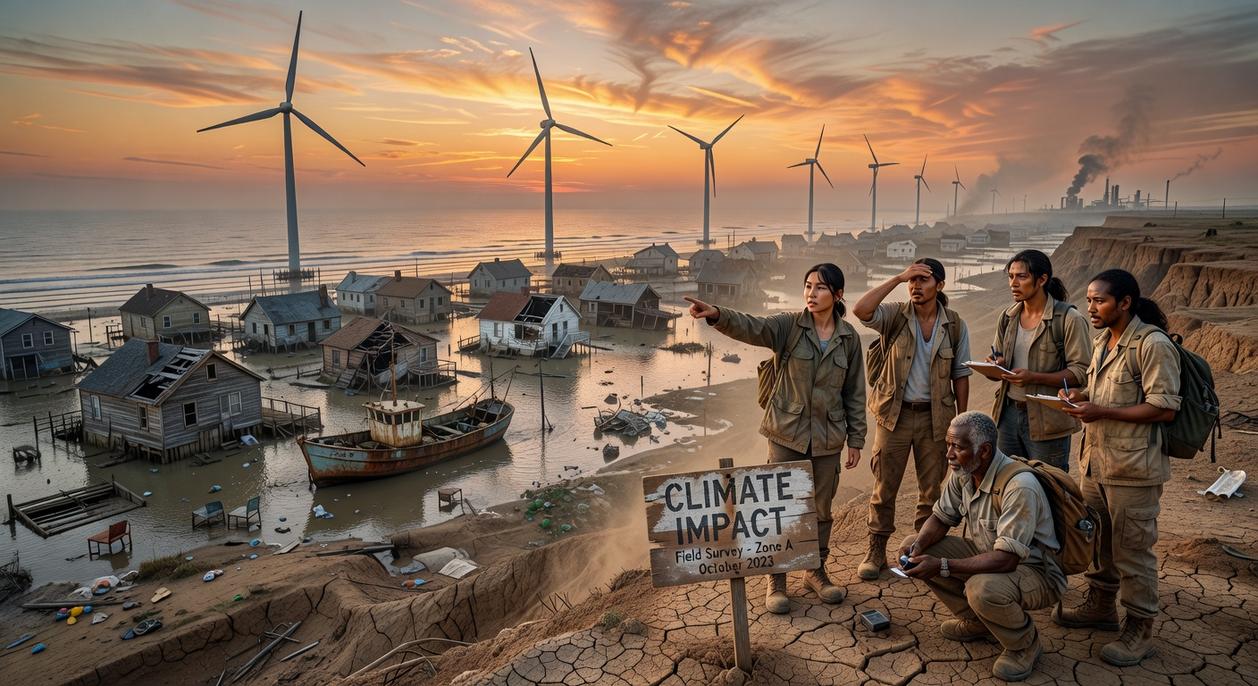
Forests and alpine meadows aren’t static postcards. As temperatures rise, plants and animals shift to higher elevations or migrate northward—a process called range migration (the movement of species to stay within livable climate conditions). That means the pika you once spotted at 8,000 feet may now be higher, while new species appear lower down. Practical tip: check recent trail reports and local ranger updates before heading out.
Water scarcity is another growing challenge. Snowpack melts earlier, springs dry sooner, and long-trusted streams become seasonal. This climate change hiking impact forces backpackers to carry extra capacity and reliable filters.
| Challenge | What to Do |
|———–|————|
| Dry water sources | Carry collapsible bottles; plan refill backups |
| Murky pools | Use gravity filters or chemical purification |
| Longer dry stretches | Cache water where permitted |
Pro tip: always confirm your next two water sources, not just the next one.
Warmer climates also expand tick and mosquito ranges, increasing vector-borne illness risk (diseases transmitted by insects). Wear permethrin-treated clothing, do nightly tick checks, and avoid brushing against tall grass.
Hidden gem alert: consider shoulder seasons or higher-latitude trails for cooler temps and fewer crowds. Wilderness is changing—but with preparation, your experience doesn’t have to suffer.
Adapting Your Hike: How to Explore Safely and Responsibly
The trail you hiked last year may not look—or feel—the same today. Charred tree trunks, the smoky scent of past wildfires, washed-out bridges, and the crunch of unstable gravel under your boots are becoming common realities. This is the visible climate change hiking impact many outdoor enthusiasts now face.
The New Navigation
When trail markers are burned or swept away, navigation becomes more than a convenience—it’s a safety essential. A GPS device (a satellite-based tool that pinpoints your location) paired with a paper map offers redundancy if batteries die or signals fail. Pro tip: store maps in waterproof sleeves; ash and mud smear ink fast.
Flexible Planning
Rigid itineraries don’t survive sudden closures. Have Plan A, B, and C ready. That alpine loop might close due to flash floods, but a lower-elevation forest trail could still echo with birdsong and smell of pine resin warming in the sun.
Leave No Trace (LNT)
LNT means minimizing your footprint. Stay on durable surfaces like rock or established paths to prevent erosion on fragile, rain-softened soil.
Become a Steward
Volunteer for trail maintenance or use reporting apps to flag damage. The forest gives us wonder; stewardship ensures the crunch beneath our boots remains a trail—not a scar.
Your Role in a Resilient Future for Hiking
Back in 2020, many of us watched favorite trails close after record fires and floods. Since then, erosion has deepened, seasons have shifted, and the climate change hiking impact has become impossible to ignore. It’s disheartening to realize access to wild places isn’t guaranteed.
But here’s the turn: stewardship is power. Adaptation—upgrading gear, learning navigation, or volunteering—keeps you exploring while protecting the path ahead.
- Commit this month to one action.
- Schedule a trail crew day.
Start now, so five years from today, your boots still meet open trail each spring.
Keep Exploring—Smarter and Better Prepared
You came here to better understand climate change hiking impact and how it’s reshaping the trails you love. Now you know how shifting weather patterns, wildfire risks, water scarcity, and changing ecosystems directly affect your safety, gear choices, and route planning.
The reality is simple: the outdoors is changing. If you don’t adapt, your hikes become riskier, less predictable, and potentially more dangerous. But with the right knowledge and preparation, you can stay ahead of these changes and keep exploring with confidence.
Here’s your next move: upgrade your planning process, refine your survival skills, and choose gear built for evolving backcountry conditions. Don’t wait until unpredictable weather or trail closures ruin your next trip.
Get expert trail insights, practical backcountry strategies, and field-tested gear guidance trusted by thousands of serious hikers. Start preparing smarter today so your next adventure is safer, stronger, and ready for whatever the wild throws at you.