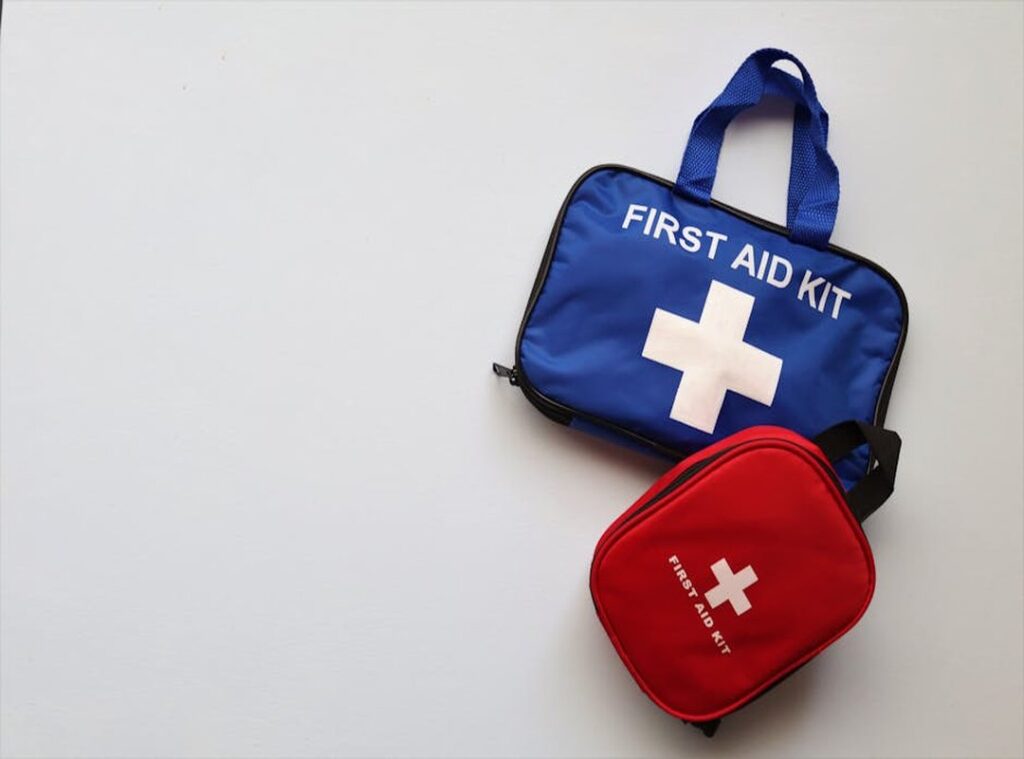

Ever hauled a heavy, chaotic pack up a steep trail, cursing every unnecessary item? I get it. It’s frustrating and exhausting.
That’s why I’m here. You need a system that works. A way to pack lighter, smarter.
I’m not just talking theory. I’ve spent countless miles in the backcountry, refining methods that actually help. And yes, I focus on lightweight packing minimalist strategies.
This isn’t about sacrifice; it’s about smart choices and simple design. Imagine reducing pack weight while boosting comfort and efficiency. Sound good?
This guide will give you the practical, repeatable steps to do just that. You won’t just survive the wilderness, you’ll thrive in it. Trust me, this isn’t just another packing list.
Ready to transform your approach? Let’s get started.
The Philosophy: Why ‘Simple Design’ is Your Greatest Asset
When it comes to backcountry gear, “simple design” is everything. It’s not about aesthetics. It’s about multi-functionality, durability, and field serviceability.
Can you fix it with duct tape if you have to? That’s the real question.
Think about it. Overly complex gear might look flashy, but when you’re miles from civilization, you need reliability. A tarp versus a multi-room tent?
The tarp wins every time. Here’s why:
| Item | Weight | Versatility | Failure Points |
|---|---|---|---|
| Tarp | Light | High | Few |
| Multi-room Tent | Heavy | Low | Many |
You see where I’m going with this? A fixed-blade knife, a single-wall trekking pole tent, and a metal pot that doubles as a bowl and cup. All prime examples of simple design.
Embracing this philosophy streamlines your pack. You’re forced to think about systems, not just individual items. It’s a natural step toward becoming a lightweight packing minimalist.
And when you’re putting together your gear, don’t forget the essentials like Creating The Perfect First Aid Kit For Outdoor Trips. It’s all part of the big picture. Keep it simple, keep it smart.
Pack Like a Pro: Streamlining Essentials
Let’s talk about packing with purpose. Forget cramming your bag with “just in case” items. Instead, focus on what you truly need.
This shift in mindset isn’t just smart; it’s important. A lightweight packing minimalist approach saves you from lugging unnecessary weight. Ever tried carrying a heavy pack for miles?
Not fun.
Enter the Modular System. It’s not rocket science. Use color-coded stuff sacks or dry bags.
Red for First Aid (emergencies can be dramatic), Blue for your Sleep System, Green for Food. It’s like organizing your closet but for your backpack. This method keeps your gear easy to find and your pack tidy.
You won’t have to dig through a jumbled mess when you need something fast.
Then there’s the magic of Multi-Use Mastery. Think beyond the classic examples. A bandana isn’t just for sweat.
It can be a pot holder, a sling, a sun shield, or even a water filter. Minimalist packing isn’t about sacrifice. It’s about creativity and efficiency.
Each item should justify its weight by serving multiple purposes.
Now, the Weight Distribution Triangle. Imagine a triangle in your backpack. Heavy items like your tent or water should be closest to your spine and between your shoulder blades.
Medium-weight items surround them, while light items like extra clothes go at the bottom and top. This balance keeps your center of gravity stable, making your pack feel lighter. Visualize it: heavy close, medium around, light top and bottom.
Want more tips? Check out this detailed guide for packing light. It’s a game-changer.
Trust me, once you master this, you’ll never pack the same way again. Traveling becomes less about the burden and more about the experience. Isn’t that what we all want?
Pack Like a Pro: Your Bag, Your Way
Packing a bag might seem straightforward, but there’s a true art to it. Trust me, I’ve been in the trenches (literally) with overloaded packs and regrettable choices. So let’s get into the nitty-gritty.
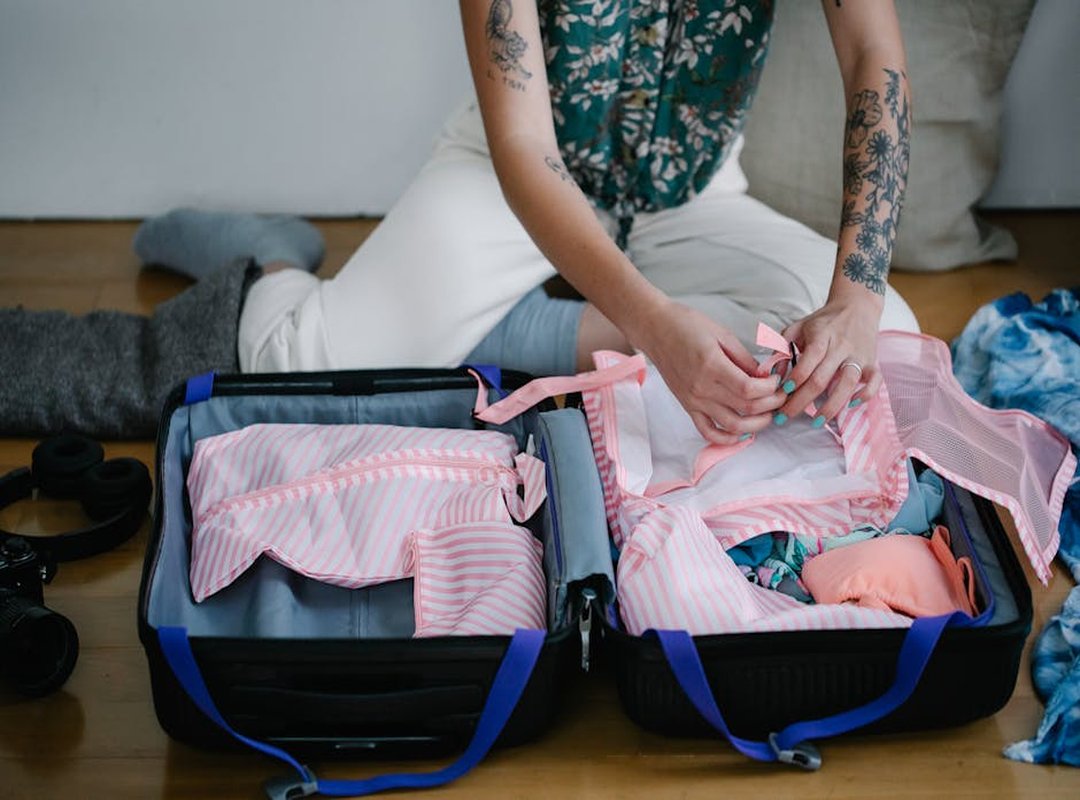
First things first, unleash the chaos with the “Floor Explode.” This isn’t just tossing gear around. Nope, it’s methodical. Lay out every single piece on the floor like you’re curating a museum exhibit.
Why? It’s a visual audit. You’ll spot the duplicates and unnecessary items you thought were important.
Now, let’s talk about the base. Pack your sleeping bag, sleep pad, and camp clothes at the bottom. They’re bulky but light, and let’s be honest, you won’t need them until you’ve set up camp.
That extra pair of socks? Probably not needed.
This foundation keeps your pack’s center of gravity low.
Moving on, build the core with your heaviest items. Place the food bag, bear canister, water, and cook set snug against the back panel. This isn’t just about weight; it’s about balance.
You don’t want to tip over with every step. Plus, it makes hiking a whole lot easier when you’ve got a stable center of gravity.
Then, we have the accessibility layer. It’s all about what you need quick access to. Rain jacket, water filter, map, compass, headlamp, snacks, and a small first-aid kit.
These should be in the top and side pockets. Use the hip belt and lid pockets smartly (pro) tip: keep snacks within reach; your future self will thank you mid-trail.
Ever thought about how you organize your backpack for fast hiking? It’s not just about space; it’s about plan. A lightweight packing minimalist approach isn’t just trendy, it’s practical.
Especially when you’re tackling rugged trails.
Remember, this isn’t just packing. It’s preparing for the journey ahead. The wrong setup can turn an adventure into a grind.
So, lay it all out, think it through, and pack with purpose. Your back (and) your sanity. Will appreciate it.
Packing Like a Pro: Avoid the Common Pitfalls
Packing can be tricky, can’t it? I’ve fallen into the ‘Just-in-Case’ Trap more times than I care to admit. You need to know what’s truly important.
First aid and repair kits? Absolutely. But leave those extra comfort items behind.
They sneak in, adding unnecessary weight.
Next, consider space. Don’t waste it. Picture this: a cook pot filled with a fuel canister, lighter, and snack bars.
It’s a game-changer. You maximize space and reduce clutter. Lightweight packing minimalist plan, anyone?
And listen, this one’s key: the pre-hike test run. Pack your bag completely. Wear it around.
A short walk can reveal balance issues you never expected. Pro tip: Adjusting now saves a lot of hassle later.
These mistakes can sabotage your plans. But with a little thought, they’re easy to avoid. Trust me, nothing beats hitting the trail prepared and balanced.
Isn’t that what we all want?
Pack Like a Pro, Hike Like a Champ
A poorly packed bag can ruin your adventure. Trust me, it doesn’t have to be this way. You don’t need magic gear, just a disciplined approach.
Embrace the power of a lightweight packing minimalist system. You’ve got the know-how now. Why not try it?
Next time you plan a trip (even a quick overnighter), use this guide. Pack efficiently, feel lighter, hike farther. You’ll notice the change instantly.
Ready to pack smarter? Your adventure deserves it. Don’t wait.
Start your next journey with a purpose. Pack your bag right. Feel the freedom.
 Head of Gear Intelligence & Field Testing
Bertha Mayonativers writes the kind of backcountry concepts and gear content that people actually send to each other. Not because it's flashy or controversial, but because it's the sort of thing where you read it and immediately think of three people who need to see it. Bertha has a talent for identifying the questions that a lot of people have but haven't quite figured out how to articulate yet — and then answering them properly.
They covers a lot of ground: Backcountry Concepts and Gear, Angle-Ready Wilderness Navigation, Campfire Recipes and Survival Skills, and plenty of adjacent territory that doesn't always get treated with the same seriousness. The consistency across all of it is a certain kind of respect for the reader. Bertha doesn't assume people are stupid, and they doesn't assume they know everything either. They writes for someone who is genuinely trying to figure something out — because that's usually who's actually reading. That assumption shapes everything from how they structures an explanation to how much background they includes before getting to the point.
Beyond the practical stuff, there's something in Bertha's writing that reflects a real investment in the subject — not performed enthusiasm, but the kind of sustained interest that produces insight over time. They has been paying attention to backcountry concepts and gear long enough that they notices things a more casual observer would miss. That depth shows up in the work in ways that are hard to fake.
Head of Gear Intelligence & Field Testing
Bertha Mayonativers writes the kind of backcountry concepts and gear content that people actually send to each other. Not because it's flashy or controversial, but because it's the sort of thing where you read it and immediately think of three people who need to see it. Bertha has a talent for identifying the questions that a lot of people have but haven't quite figured out how to articulate yet — and then answering them properly.
They covers a lot of ground: Backcountry Concepts and Gear, Angle-Ready Wilderness Navigation, Campfire Recipes and Survival Skills, and plenty of adjacent territory that doesn't always get treated with the same seriousness. The consistency across all of it is a certain kind of respect for the reader. Bertha doesn't assume people are stupid, and they doesn't assume they know everything either. They writes for someone who is genuinely trying to figure something out — because that's usually who's actually reading. That assumption shapes everything from how they structures an explanation to how much background they includes before getting to the point.
Beyond the practical stuff, there's something in Bertha's writing that reflects a real investment in the subject — not performed enthusiasm, but the kind of sustained interest that produces insight over time. They has been paying attention to backcountry concepts and gear long enough that they notices things a more casual observer would miss. That depth shows up in the work in ways that are hard to fake.