
Staying prepared for the outdoors today means more than packing the right gear—it means keeping up with changing regulations, emerging destinations, and evolving best practices for safety and exploration. If you’re searching for reliable updates on national park policy updates, trusted backcountry gear recommendations, practical survival skills, or lesser-known wilderness escapes, this article is designed to give you exactly that.
We break down the latest horizon headlines affecting outdoor access, explain what new policies mean for your trips, and highlight field-tested strategies for navigation and self-reliance. Our insights are grounded in hands-on outdoor experience, careful review of current regulations, and ongoing analysis of backcountry trends to ensure you’re getting accurate, up-to-date information.
Whether you’re planning a remote trek or scouting hidden outdoor gems, you’ll find clear guidance here to help you explore confidently, responsibly, and fully prepared.
Navigating the New Rules of the Wild: Your 2024 Park Guide
Planning a park trip isn’t as simple as packing snacks and channeling your inner John Muir. Recent national park policy updates have introduced timed-entry reservations, dynamic fee structures, and seasonal access limits across high-traffic parks like Yosemite and Rocky Mountain (National Park Service, 2023).
Here’s what to watch for:
- Timed-entry permits: Required during peak hours to reduce congestion—book early on Recreation.gov.
- Fee increases: Standard vehicle passes now average $30–$35 for seven days.
- Shuttle mandates: Some parks restrict private vehicles in core areas.
Pro tip: Screenshot confirmations—cell service is notoriously unreliable (nature’s way of saying unplug).
The Reservation Revolution: Timed-Entry and Permit Systems Explained
For decades, visiting a national park meant rolling in early and hoping for the best. Today, that first-come, first-served model is rapidly disappearing. In its place? Mandatory timed-entry reservations and advance permits for high-traffic areas like Angels Landing in Zion and Going-to-the-Sun Road in Glacier.
This shift isn’t arbitrary. According to the National Park Service (NPS), recreation visits reached 325.5 million in 2023, straining roads, trail systems, and fragile habitats (NPS Visitor Use Statistics). Overcrowding has led to soil erosion, wildlife disruption, and hours-long vehicle backups. Timed-entry systems—where visitors book specific arrival windows—are designed to spread use throughout the day and cap total numbers. In pilot parks, officials reported reduced congestion and improved visitor flow after implementation.
Admittedly, some argue reservations limit spontaneity (and they’re not wrong). Wilderness has always symbolized freedom. However, data shows unmanaged surges cause measurable ecosystem damage, from trampled alpine vegetation to increased human-wildlife conflicts. Structured access, while less romantic, protects the very landscapes people come to see.
How to Secure a Spot on Recreation.gov
- Create an account early and log in before release times.
- Identify booking windows—many open 3–6 months in advance.
- Mark rolling releases, as some parks drop additional permits 24–72 hours prior.
- Check cancellation slots frequently (especially early mornings).
Pro tip: Set calendar alerts for release days tied to national park policy updates.
Parks Requiring Reservations (Full or Partial Access)
- Zion (Angels Landing)
- Glacier (Going-to-the-Sun Road)
- Rocky Mountain (Timed Entry)
- Yosemite (Peak-Hour Entry)
- Arches (Timed Entry)
- Acadia (Cadillac Summit Road)
In short, planning ahead is no longer optional—it’s part of the adventure.
Fee Structures and Fund Allocation: Where Your Money Goes
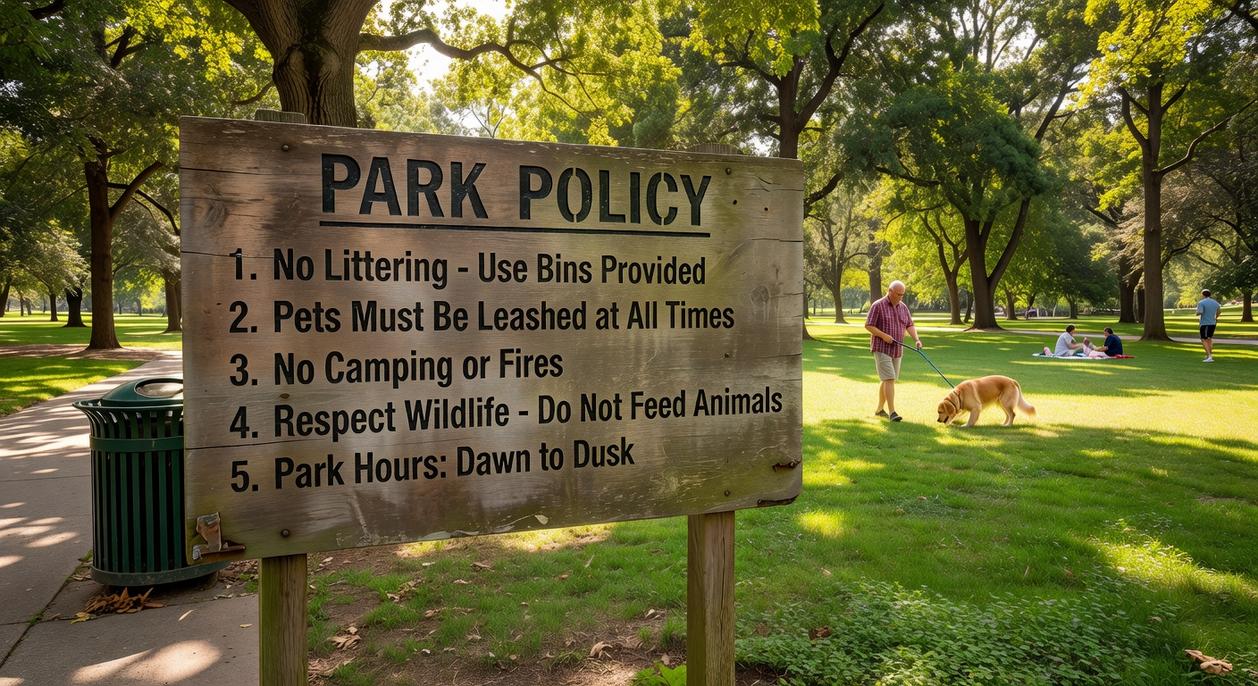
Last summer, I stood at a park entrance station staring at a sign that showed a $5 increase in camping fees. I’ll admit it—I winced. It felt like one more cost piled onto an already expensive trip. Around the campfire that night, other visitors echoed the same frustration (no one likes paying more for the same view).
But here’s what changed my perspective.
Recent national park policy updates tie many of these increases to the Great American Outdoors Act, a federal law designed to tackle deferred maintenance—a backlog of overdue repairs to roads, trails, water systems, and facilities (NPS.gov). In plain terms, it’s the fix-it list that’s been growing for decades.
I saw the results firsthand:
- Freshly repaved scenic park roads that used to rattle my suspension.
- Modernized visitor centers with updated exhibits.
- Cleaner, accessible restrooms.
- Restored trails once closed due to erosion.
Some argue higher fees create barriers. That’s fair. Access matters. Yet without sustainable funding, deterioration limits access anyway. The choice isn’t pay more or pay nothing—it’s invest now or watch decline accelerate.
Pro tip: Buy annual passes if you visit multiple parks; they often offset entrance hikes.
Even innovations highlighted in emerging technologies transforming modern expeditions rely on maintained infrastructure.
Viewed this way, your fee isn’t just a ticket—it’s a contribution to keeping these landscapes open, safe, and wild for the next traveler.
Updated Backcountry and Wilderness Access Rules
Backcountry travel isn’t what it was a decade ago. If you’re planning to shoulder a pack and disappear past the trailhead, you need to adjust to a new rulebook.
First, permit systems are shifting fast. Many parks have replaced in-person, day-of permits with competitive online lotteries for high-demand routes. A lottery system means applicants submit trip dates in advance and are randomly selected. According to the National Park Service, parks like Yosemite and Glacier have moved to timed-entry or lottery-based backcountry access to manage crowding and resource damage (nps.gov). So, plan months ahead, set calendar reminders, and apply for multiple date ranges to increase your odds. Pro tip: aim for shoulder seasons—May or late September—when competition drops but conditions remain manageable.
Gear and Safety Rules Are Tightening
Next, gear mandates are no longer suggestions. Bear-resistant canisters—hard-sided containers designed to prevent wildlife access—are required in many wilderness zones. Human waste pack-out systems (yes, you carry it out) are mandatory in sensitive alpine and desert areas. Group size limits are also more strictly enforced; exceeding them can mean fines or trip cancellation. Think less “Lord of the Rings fellowship,” more tight-knit trio.
Moreover, Leave No Trace (LNT)—the seven principles guiding low-impact travel—is being enforced with real consequences. Campsite selection now emphasizes durable surfaces, and wildlife interaction rules prohibit feeding or approaching animals (U.S. Forest Service, fs.usda.gov). Even seemingly harmless selfies can trigger penalties.
In light of national park policy updates, my recommendation is simple: research regulations before every trip, carry required gear, and default to smaller groups. Wilderness access is still possible—but only for those prepared to play by the new rules (and honestly, that’s fair).
Technology in the Parks: E-Bikes and Drones
Planning to bring tech on your next park trip? Here’s what you need to know.
E-Bikes: Federal rules allow Class 1, 2, and 3 e-bikes anywhere traditional bicycles can go—paved roads, unpaved roads, and multi-use paths. However, they’re typically banned from single-track hiking trails unless a park specifically opens them. Always check local postings for national park policy updates before riding.
Drones: Recreational drones are almost universally prohibited within National Park boundaries due to:
- Wildlife disturbance
- Visitor safety risks
- Noise pollution
When in doubt, leave it packed—nature’s soundtrack beats a propeller hum every time.
Plan Smart, Travel Confident
You’ve seen how national park policy updates reshape everything from timed-entry reservations to backcountry permits. The era of “let’s just go” is fading (yes, even for the ultra-organized friend in your group).
Here’s the clear move: always verify park-specific rules right before departure. Policies shift seasonally and sometimes overnight due to weather, staffing, or resource protection.
Use official sources:
- Check NPS.gov and Recreation.gov for alerts, closures, and reservation requirements.
Pro tip: Screenshot confirmations and maps in case you lose service at the gate. Plan ahead, confirm details, and you’ll trade stress for trail time.
Stay Ready for Your Next Wild Adventure
You came here looking for clarity—whether it was understanding national park policy updates, sharpening your survival skills, or finding backcountry gear you can actually rely on. Now you’re better equipped to navigate changing regulations, prepare for the unexpected, and explore hidden outdoor gems with confidence.
Staying informed isn’t just helpful—it’s essential. Outdated information, poor planning, or the wrong gear can turn an unforgettable trip into a frustrating or even dangerous experience. The wilderness doesn’t forgive guesswork.
So here’s your next move: put what you’ve learned into action. Review your gear, map out your next route, and stay current with national park policy updates before you head out. If you want trusted insights, field-tested strategies, and guidance outdoor enthusiasts rely on, explore more of our expert resources today.
Don’t leave your next adventure to chance—gear up, stay informed, and step into the wild fully prepared.