Planning your next big trip means looking ahead. The outdoor adventure trends 2026 are being shaped by rapid advances in gear technology, growing environmental awareness, and a renewed desire for purposeful exploration. With shifting travel priorities and evolving backcountry regulations, it’s harder than ever to know what experiences, tools, and destinations will define the year ahead. This guide breaks down the most influential developments—from tech-integrated trails to the rise of eco-adventuring—so you can prepare with confidence. Drawing on emerging gear innovations, backcountry usage data, and environmental policy shifts, we outline what’s next and how to adapt your adventures accordingly.
Trend 1: The Rise of Augmented Reality (AR) Trails and Hyper-Connectivity
First, let’s clarify what this actually means. Augmented Reality (AR) overlays digital information—like arrows, labels, or 3D visuals—onto the real world through your phone or smart glasses. So instead of staring at a paper map, you might see a glowing trail marker hovering over the path ahead (think Pokémon GO, but for switchbacks and summits).
In practical terms, AR trails can identify plants, flag wildlife habitats, translate trail signs, or replay historical moments tied to the landscape. Meanwhile, hyper-connectivity refers to expanded 5G and satellite coverage reaching areas that were once dead zones. As a result, these tools are moving from novelty to necessity in outdoor adventure trends 2026.
Some purists argue this tech dilutes the wilderness experience. They’re not entirely wrong—constant notifications can feel intrusive. However, when used intentionally, AR enhances safety and education without replacing core navigation skills.
Gear-wise, look for solar-charging power banks, rugged waterproof phone cases, and early consumer AR glasses built for glare and dust. Notably, select U.S. national parks and Nordic trail systems are piloting AR navigation layers—offering a glimpse of what backcountry travel may soon look like.
Pro tip: Always carry a physical map as backup (battery life still has limits).
Trend 2: Regenerative Adventuring and Low-Impact Exploration
For years, outdoor ethics centered on Leave No Trace—a principle that means minimizing your impact by packing out waste and disturbing as little as possible. Regenerative adventuring goes a step further. Instead of simply avoiding harm, you actively improve the places you visit. Think trail restoration projects, invasive species removal, or logging wildlife sightings in citizen science apps like iNaturalist (yes, scrolling your phone can help a forest).
In other words, it’s the difference between being a careful guest and a helpful neighbor.
So why is this gaining traction in 2026? Increased awareness of climate change and over-tourism has pushed travelers to seek meaning, not miles. According to the UN World Tourism Organization, sustainable tourism demand continues to rise as ecosystems face mounting pressure.
If you’re wondering how to start, begin by partnering with local conservation groups or booking guides who publish measurable impact reports. Pro tip: ask operators how they reinvest profits into habitat restoration.
Understanding local ecosystems—how water flows, where animals migrate, which plants are edible—isn’t just good stewardship. It’s a core survival skill. When you read the land, you protect it and yourself.
That mindset defines outdoor adventure trends 2026.
Trend 3: The “Micro-Adventure” Movement Goes Mainstream
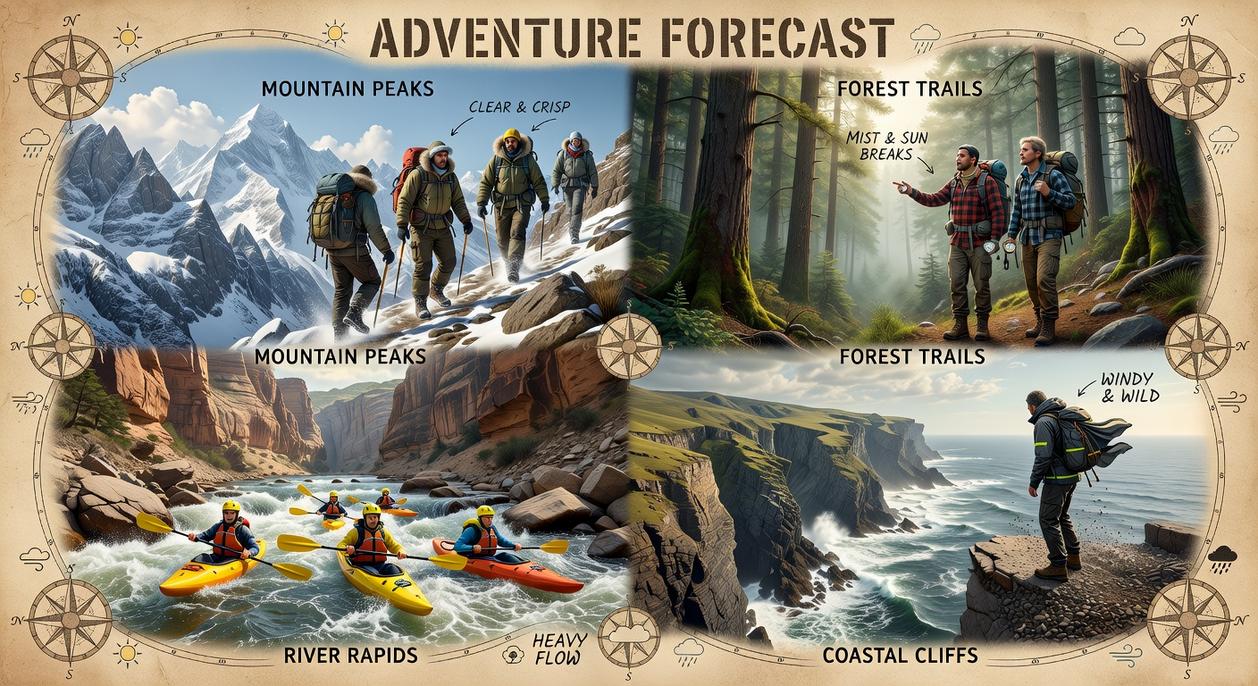
Micro-adventures—short, local outdoor escapes that fit into a normal workweek—are no longer niche. Think overnight camping after work, urban kayaking before sunrise, or exploring a state forest 30 miles from home instead of flying cross-country. The idea is simple: reduce friction, increase frequency (and yes, still make it back for Monday meetings).
Why It’s Trending in 2026
Burnout and rising travel costs are pushing people toward nature without the logistical circus of long-haul trips. According to the U.S. Travel Association, domestic travel costs have climbed steadily post-2023, reshaping vacation habits. Micro-adventures offer similar mental health benefits—improved mood and reduced stress, as supported by research from the American Psychological Association—without airfare or weeklong PTO.
Some critics argue these outings “don’t count” as real adventure. But that mindset is shifting fast. In fact, outdoor adventure trends 2026 suggest frequency now outweighs duration. My prediction: within five years, brands will design entire gear lines specifically for 24-hour escapes.
Backcountry Gear Focus
The gear shift is clear:
- Minimalist bivvy sacks (ultralight shelters for quick overnights)
- Compact, integrated cooking systems
- Versatile 20–30L daypacks with modular storage
Pro tip: prioritize gear under 3 pounds per category to keep spontaneity realistic.
Finding Your Micro-Adventure
Search within a 50-mile radius using:
- State park websites
- Trail apps like AllTrails
- Local paddling or climbing groups
Timing matters too—especially as discussed in how climate patterns are changing hiking seasons worldwide. Seasonal shifts may soon make shoulder seasons the new prime time (speculation, but the signs are there).
Trend 4: The Resurgence of Traditional Skills and Self-Reliance
Call it the analog rebellion. As screens swallow more of our waking hours, a counter-trend is pulling people back to basics: map-and-compass navigation, foraging for wild edibles, and starting fires without a lighter. Hyper-connectivity promised convenience; it also delivered burnout.
In many outdoor adventure trends 2026 reports, self-reliance ranks high. The appeal is simple: digital detox, practical competence, and a deeper bond with the land. Studies have linked time in nature to reduced stress and improved mood (American Psychological Association, 2020). Still, I’ll admit something: it’s unclear how many enthusiasts stick with these skills long term versus dabbling for a season.
Essential skills to practice:
- Celestial navigation basics (using the North Star for orientation)
- Identifying 3–5 local edible plants safely
- Building a weather-resistant debris shelter
Some critics argue GPS makes these skills obsolete. They have a point—modern navigation is remarkably accurate. But batteries die. Signals drop. And confidence built on competence feels different (and steadier) than confidence built on reception bars.
The smartest approach? Use technology as a backup, not a crutch. Carry GPS, but navigate by terrain first. Think hybrid resilience—old knowledge reinforced by new tools.
Your Next Adventure Starts Now
You set out looking for clarity on what’s ahead, and now you have a forward-looking roadmap to the outdoor adventure trends 2026 that will shape your time outside. From high-tech trails to rediscovering timeless backcountry skills, you’re no longer guessing about where outdoor recreation is headed.
The uncertainty of feeling unprepared is behind you. With the right insight, you can step into the new season confident, capable, and ready to explore.
Now take action: choose one new skill to master or one local trail you’ve been putting off and commit to it this month. Join thousands of outdoor enthusiasts who trust our expert insights—start planning your next adventure today.