America’s most iconic national parks draw the crowds—but what about the wild, uncrowded landscapes that deliver just as much awe without the traffic jams? If you’re searching for underrated national parks that offer breathtaking scenery, solitude, and real adventure, this guide is built for you.
Many outdoor travelers stick to the same headline destinations, often missing remote canyons, alpine lakes, desert badlands, and dense backcountry trails that rival the big names. The problem isn’t a lack of beauty—it’s a lack of visibility.
In this article, you’ll discover lesser-known parks worth planning an entire trip around, plus practical insights on when to go, what to pack, and how to explore them safely. We’ve consulted experienced backcountry explorers, reviewed trail data, and analyzed visitor trends to ensure these recommendations balance adventure with accessibility.
If you’re ready to trade crowded overlooks for quiet horizons, you’re in the right place.
Beyond the Grand Canyon: Discover America’s Hidden Wilderness
Millions chase famous skylines, yet underrated national parks offer the same glaciers, canyons, and wildlife without shuttle lines. Here, “backcountry” simply means areas beyond paved roads—places where you rely on maps, water filtration, and judgment (yes, your phone will lose service).
What Makes Them Different?
Solitude is the real luxury. Fewer visitors mean quieter trails and more animal sightings.
| Park | Standout Feature | Why It Matters |
|——|——————|—————-|
| North Cascades | Glaciers | Alpine scenery minus crowds |
| Great Basin | Dark skies | Exceptional stargazing |
Think of it as choosing the indie film over the blockbuster—same artistry, smaller audience.
The American Alps: Why North Cascades Is Washington’s Best-Kept Secret
If you’ve ever typed “best national parks in Washington” into a search bar, you probably saw Mount Rainier first. Maybe Olympic. Rarely North Cascades. That’s exactly why it remains one of America’s most underrated national parks.
Why It’s Overlooked
North Cascades National Park is rugged, remote, and refreshingly inconvenient. There are fewer roads, limited cell service, and trailheads that require intention to reach. For casual visitors, that’s a deterrent. For adventurers, it’s the appeal. Fewer than 40,000 people visit annually—compared to over 2 million at Mount Rainier (National Park Service data). That means quieter trails and real solitude.
The Unmatched Appeal
Often called the “American Alps,” the park contains over 300 glaciers—more than any U.S. park outside Alaska (NPS). Its jagged granite peaks look pulled from a Swiss postcard. Then there’s Diablo Lake, glowing turquoise from glacial silt (known as rock flour, fine sediment that refracts light). It doesn’t look real. It is.
Must-Do: Cascade Pass Trail
If you want maximum reward for moderate effort, hike Cascade Pass. The trail climbs steadily before opening into sweeping alpine views of Johannesburg Mountain and Sahale Peak. In late summer, wildflowers explode across the meadows. Mountain goats are common (they pose better than most humans).
Backcountry Gear Tip
Because of its wild terrain, preparation isn’t optional:
- Map and compass (and know how to use them)
- GPS backup device
- Bear canister for overnight trips (required in most areas)
A bear canister is a hard-sided container that prevents wildlife from accessing your food. It protects both you and the animals.
Pro tip: Start hikes early. Afternoon weather shifts fast in alpine zones.
North Cascades isn’t flashy. It’s better than that. It’s real wilderness.
From Ancient Trees to Starry Skies: Nevada’s Great Basin

Great Basin National Park is what happens when a place whispers instead of shouts. Tucked into eastern Nevada, it’s often dismissed as empty desert—one of those blink-and-you’ll-miss-it stretches on the map. Critics argue it lacks the spectacle of Yosemite or Zion. No massive waterfalls. No traffic jams of RVs. But that’s precisely the point.
Think of it like a rare first-edition book sitting unnoticed on a crowded shelf. The cover looks plain. Inside? Centuries of stories.
This is one of those underrated national parks where time stretches like the desert horizon. The Bristlecone Pines—the oldest living trees on Earth—twist and coil as if sculpted by invisible hands. Some are nearly 5,000 years old (National Park Service). Standing among them feels like walking through Earth’s memory.
Then there’s Lehman Caves, a subterranean cathedral of limestone formations. Stalactites hang like chandeliers frozen mid-drip, and stalagmites rise to meet them like slow-motion skyscrapers. A ranger-led tour isn’t just sightseeing; it’s stepping inside geology’s workshop.
Above ground, Wheeler Peak climbs past 13,000 feet. It’s a vertical migration—from desert floor to alpine air—in a single hike. Few places compress ecosystems the way this park does.
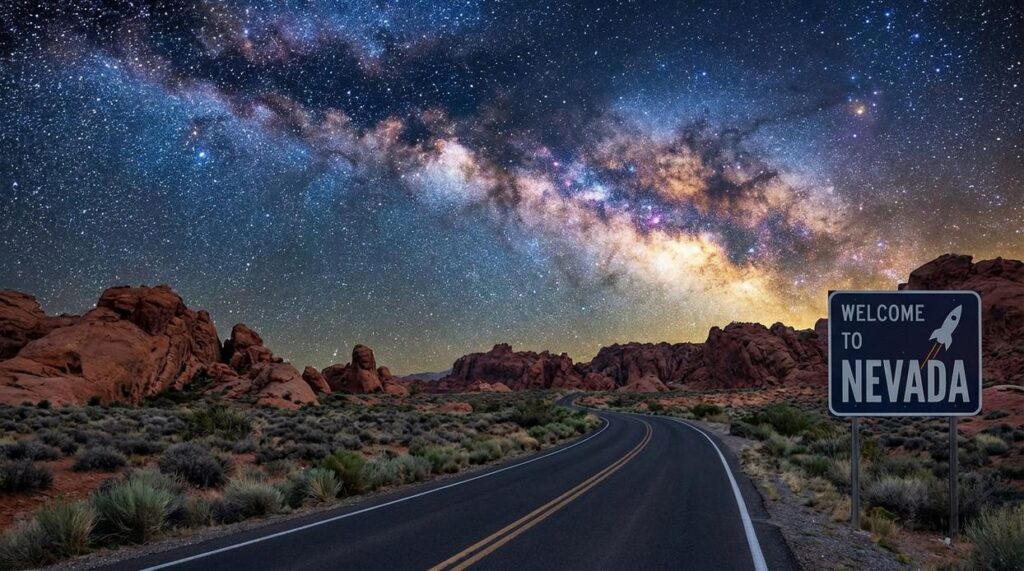
After sunset, the sky takes over. As an International Dark Sky Park, the stars spill overhead like glitter tossed across black velvet. You don’t just look at the Milky Way—you fall into it.
Survival here is about respect. The desert swings temperatures wildly, like a thermostat with mood swings. Layering is your armor: breathable sun protection by day, insulated warmth by night. Carry more water than feels reasonable (pro tip: then add one more bottle). In terrain this vast, preparation isn’t paranoia—it’s wisdom.
Forts and Coral Reefs: The Remote Paradise of Dry Tortugas
Accessibility is the filter. Sitting 70 miles west of Key West, Dry Tortugas National Park limits entry to those willing to plan ahead—via a single daily ferry or seaplane. Some travelers argue the journey is inconvenient and expensive. They’re not wrong. But that barrier is precisely its competitive advantage. Fewer crowds mean healthier reefs, quieter beaches, and a sense of discovery that’s increasingly rare in even the most underrated national parks.
What competitors often miss is how seamlessly history and marine ecology intertwine here. Fort Jefferson isn’t just a photogenic 19th-century coastal fortress; its massive brick moat wall has evolved into an artificial reef system. Over time, corals (colonies of tiny animals called polyps that build calcium carbonate skeletons) have attached to the submerged structure, attracting parrotfish, sergeant majors, and even tarpon cruising the perimeter. It’s like snorkeling through a living aquarium wrapped around a Civil War–era stronghold.
Must-Do Experience: Snorkel the moat wall in the morning when visibility peaks and boat traffic is minimal (pro tip: enter from the sandy sections to avoid damaging coral).
To make the most of your visit:
- Book transportation weeks in advance—weather cancellations are common.
- Bring more water than you think you need (at least one gallon per person).
- Pack a high-quality waterproof dry bag to protect gear from salt spray and sudden squalls.
This is a true pack-in, pack-out park. No snack bars. No shaded cafés. Just turquoise water, seabirds wheeling overhead, and a fortress rising from the sea like something out of a pirate epic (minus the rum rations). For those willing to make the effort, the reward is pristine, unforgettable solitude.
Planning Your Escape
The most memorable wilderness experiences wait beyond the traffic jams and tour buses. In the North Cascades, jagged peaks cut into a sky so blue it hums, while alpine air smells like pine sap and cold stone. Great Basin’s night sky spills silver starlight across desert, and Dry Tortugas tastes of salt and sun as waves slap against brick forts. These underrated national parks trade crowds for crunching gravel under your boots and wind whispering through open valleys. Before you go, check the official NPS website for alerts, and practice Leave No Trace to protect that quiet.
Find Your Next Adventure Off the Beaten Path
You came here looking for underrated national parks that deliver breathtaking views without the overwhelming crowds. Now you know where to go, what to expect, and how to prepare for a more intentional, less congested outdoor experience.
The truth is, overcrowded trails, packed parking lots, and overhyped destinations can drain the magic from a trip you’ve waited months to take. You deserve wide-open vistas, quiet mornings, and the kind of raw connection to nature that first inspired you to explore.
Now it’s time to act. Choose one of these parks, map your route, check your gear, and commit to a date. Adventure rewards preparation.
If you want expert trail insights, reliable backcountry gear recommendations, and proven wilderness navigation tips trusted by thousands of outdoor explorers, dive deeper with us today. Don’t settle for crowded overlooks—start planning your next escape now and experience the wild the way it was meant to be.