Tired of battling for a parking spot at Zion, only to find crowds around every corner? I get it. You crave the real national park experience, not a theme park masquerade.
Years of backcountry exploring have taught me where the true solitude is hidden. Let’s be honest, the big names don’t cut it anymore. But what about the underrated national parks? the magic is.
I’ll show you how to find these gems. Trust me, I’ve been there. This guide will help you discover these quiet havens but teach you how to enjoy them safely and responsibly.
Beyond the Crowds: Discovering Hidden Wilderness
Ever wondered why I always head to underrated national parks? It’s not just about the fewer people. It’s about swapping the typical tourist rush for a genuine wilderness experience.
Imagine standing in a quiet forest, every rustle and chirp reminding you this is nature at its finest. That’s something you miss on crowded trails.
In these overlooked places, the odds of stumbling upon authentic wildlife are much higher. You might see a bear fishing or an owl silently swooping down for its prey. It’s raw and real.
The ecosystems are untouched too, giving you a glimpse of nature’s unspoiled beauty. And let’s face it, the mental clarity from real solitude is unmatched.
It’s not just personal gain, though. There’s a broader impact. I call it “conservation through exploration.” By choosing these lesser-known spots, we help ease the burden on overrun parks.
Every visit counts in keeping these places pristine for everyone.
And yes, getting there can be a challenge. But isn’t that part of the magic? The trek makes it worthwhile.
It’s more than just taking a picture by the roadside. It’s about creating memories that last. And if you’re looking for secret hiking trails for solitude seekers, you’ll find they offer deeper connections with the wild.
So, why not take the road less traveled and see what you’ve been missing?
Hidden Gems: Adventure Awaits
Ready for an adventure? to some underrated national parks where the real thrill-seekers go. Trust me, these aren’t your average tourist traps.
First up, North Cascades in Washington. Known as “The American Alps,” this park’s rugged terrain is a dream for mountaineers. It’s wild, untouched, and less crowded than you might think.
You’ll find yourself surrounded by glacier-carved peaks and deep valleys. Want a challenge? The backcountry trekking here will test your limits.
Few places in the lower 48 offer such solitude.
Then there’s Great Basin in Nevada. It’s all about extremes. You’ve got the Lehman Caves for underground exploration and ancient bristlecone pines standing like old guardians.
But the real magic happens at night. As an International Dark Sky Park, stargazing here is a celestial wonder. The stars seem close enough to touch.
Next, Isle Royale in Michigan. This is “The Ultimate Remote Escape.” Located in Lake Superior, it’s accessible only by boat or seaplane. Talk about isolation!
The multi-day backpacking circuits are legendary, weaving through habitats where moose and wolves roam. It’s the kind of place where silence is its own soundtrack.
Now, let’s paddle into Congaree in South Carolina. Imagine drifting through a primeval forest. Canoeing or kayaking among the largest old-growth bottomland hardwood trees in the U.S. feels like stepping back in time.
The space here is unique, teeming with life and mystery. It’s a surreal experience, one you won’t forget.
Finally, Dry Tortugas in Florida. Here, history meets paradise. Seventy miles from Key West, this park combines the historic Fort Jefferson with stunning coral reefs.
World-class snorkeling awaits, with lively marine life and clear waters. It’s remote, yes, but that’s the beauty of it. A hidden paradise where history lingers.
For more on these hidden treasures, check out 7 underrated us national parks to add to your travel bucket list. These parks aren’t just places. They’re experiences waiting to be discovered.
What are you waiting for? Pack your gear and hit the trails. Each park offers something different, something wild.
Adventure is out there.
Gear Up: Surviving Underrated National Parks
When you’re stepping into the wilds of underrated national parks, gear isn’t just about comfort. It’s about safety and self-reliance. Forget cell service.
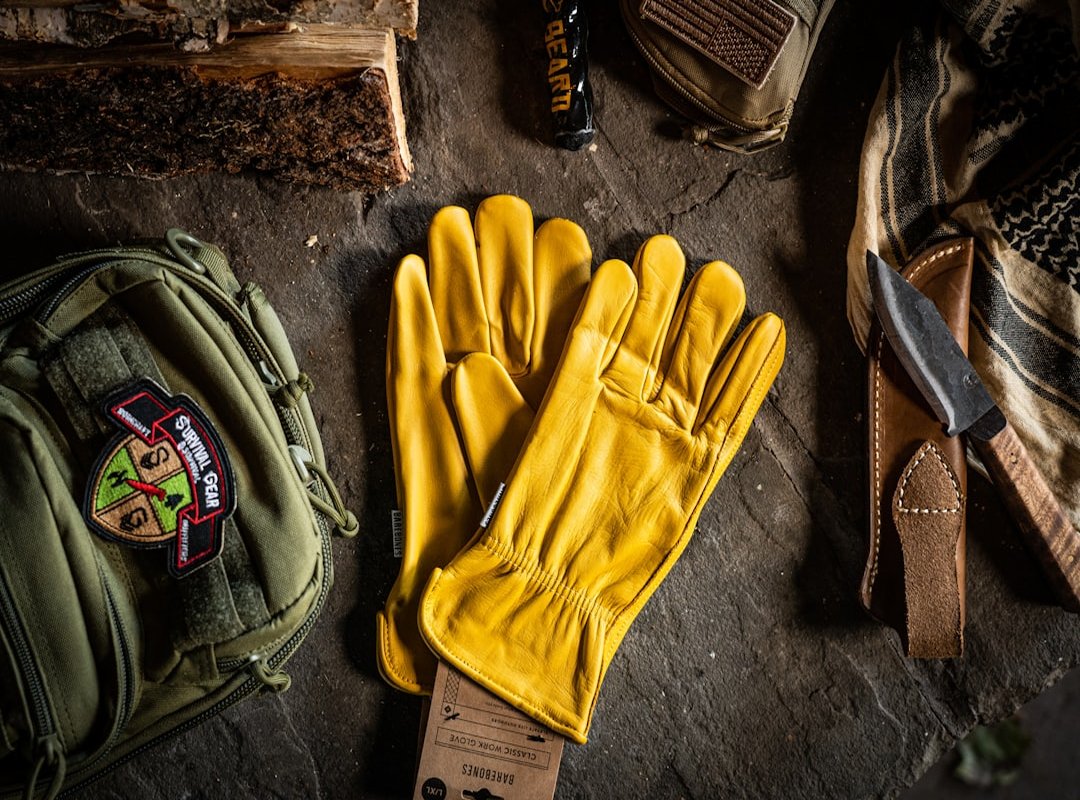
It’s a fantasy out there. Navigation tools are non-negotiable. A physical map, a quality compass, and a satellite messenger or PLB (Personal Locator Beacon) are important.
These aren’t just backup plans; they are your lifelines.
You might wonder, “How do I use all this?” Simple. The map and compass keep you oriented, while the satellite messenger is your SOS to civilization. Don’t trust your phone.
Batteries die. Signals falter. Be ready.
Shelter needs to do more than just keep you dry. If you’re in the Great Basin, you want a tent that can withstand high winds. In Congaree?
A hammock setup might be your best bet among the trees. This isn’t just about preference. It’s about matching your gear to the environment.
Now, let’s talk food and water. Lightweight, high-calorie meals are your best friend. Don’t skimp on a reliable water filter.
First-aid isn’t just band-aids and antiseptic wipes. Out here, you have to be ready for anything. Blister treatment with moleskin, antiseptic wipes, and supplies for treating sprains are the basics.
Try something like a Sawyer Squeeze or Katadyn. And if you’re in bear country (hello, North Cascades), a bear canister or proper food storage is key.
Remember, help is hours or days away.
Want to dig deeper into the wild? Check out other adventures like unexplored caves a spelunkers dream. It’s not just about seeing.
It’s about surviving, thriving, and truly experiencing these hidden gems.
So, are you ready to tackle those underrated parks with the right gear? Gear up properly, and the wild awaits with open arms.
Beyond the Scenery: Skills to Master
If you think underrated national parks are all about gazing at pretty views, you’re missing the point. You need the right skills to make these trips safe and unforgettable.
First up, reading the land. Ever stared at a topographic map and felt like you were looking at an alien language? Those lines show you elevation changes.
Contour lines close together? Steep climb ahead. Spread apart?
Easier terrain. It’s key for picking campsites and locating water sources without turning your hike into a survival movie (we’ve all seen those).
Then there’s wildlife safety. This isn’t just “don’t feed the animals” (it’s) about knowing your moose from your bear. For instance, Isle Royale moose have personal space issues.
Keep your distance. Meanwhile, North Cascades bears? They need your respect.
Finally, remember the Leave No Trace ethos. It’s not just a slogan. “Pack It In, Pack It Out” means every scrap of trash goes home with you. Proper waste disposal keeps these parks pristine.
Simple mistakes have long-lasting impacts. But, let’s learn from them and do better.
Step Into the Wild
The longing for a deeper bond with nature is real. You’ve got the itch to escape the usual chaos and dive into the heart of the wild. Now you know the secret: underrated national parks.
You’re not just armed with a list of beautiful places, but you’ve got the know-how to explore with confidence. Remember, true adventures aren’t just handed over. They’re earned.
So, what’s next? Master your backcountry navigation. Build your important gear kit.
Don’t wait. Your adventure is out there, waiting. Dive in, claim it.
You’ll thank yourself when you’re knee-deep in wilderness.
 Wilderness Navigation & Survival Content Strategist
Diane Khanatibo writes the kind of backcountry concepts and gear content that people actually send to each other. Not because it's flashy or controversial, but because it's the sort of thing where you read it and immediately think of three people who need to see it. Diane has a talent for identifying the questions that a lot of people have but haven't quite figured out how to articulate yet — and then answering them properly.
They covers a lot of ground: Backcountry Concepts and Gear, Angle-Ready Wilderness Navigation, and plenty of adjacent territory that doesn't always get treated with the same seriousness. The consistency across all of it is a certain kind of respect for the reader. Diane doesn't assume people are stupid, and they doesn't assume they know everything either. They writes for someone who is genuinely trying to figure something out — because that's usually who's actually reading. That assumption shapes everything from how they structures an explanation to how much background they includes before getting to the point.
Beyond the practical stuff, there's something in Diane's writing that reflects a real investment in the subject — not performed enthusiasm, but the kind of sustained interest that produces insight over time. They has been paying attention to backcountry concepts and gear long enough that they notices things a more casual observer would miss. That depth shows up in the work in ways that are hard to fake.
Wilderness Navigation & Survival Content Strategist
Diane Khanatibo writes the kind of backcountry concepts and gear content that people actually send to each other. Not because it's flashy or controversial, but because it's the sort of thing where you read it and immediately think of three people who need to see it. Diane has a talent for identifying the questions that a lot of people have but haven't quite figured out how to articulate yet — and then answering them properly.
They covers a lot of ground: Backcountry Concepts and Gear, Angle-Ready Wilderness Navigation, and plenty of adjacent territory that doesn't always get treated with the same seriousness. The consistency across all of it is a certain kind of respect for the reader. Diane doesn't assume people are stupid, and they doesn't assume they know everything either. They writes for someone who is genuinely trying to figure something out — because that's usually who's actually reading. That assumption shapes everything from how they structures an explanation to how much background they includes before getting to the point.
Beyond the practical stuff, there's something in Diane's writing that reflects a real investment in the subject — not performed enthusiasm, but the kind of sustained interest that produces insight over time. They has been paying attention to backcountry concepts and gear long enough that they notices things a more casual observer would miss. That depth shows up in the work in ways that are hard to fake.