
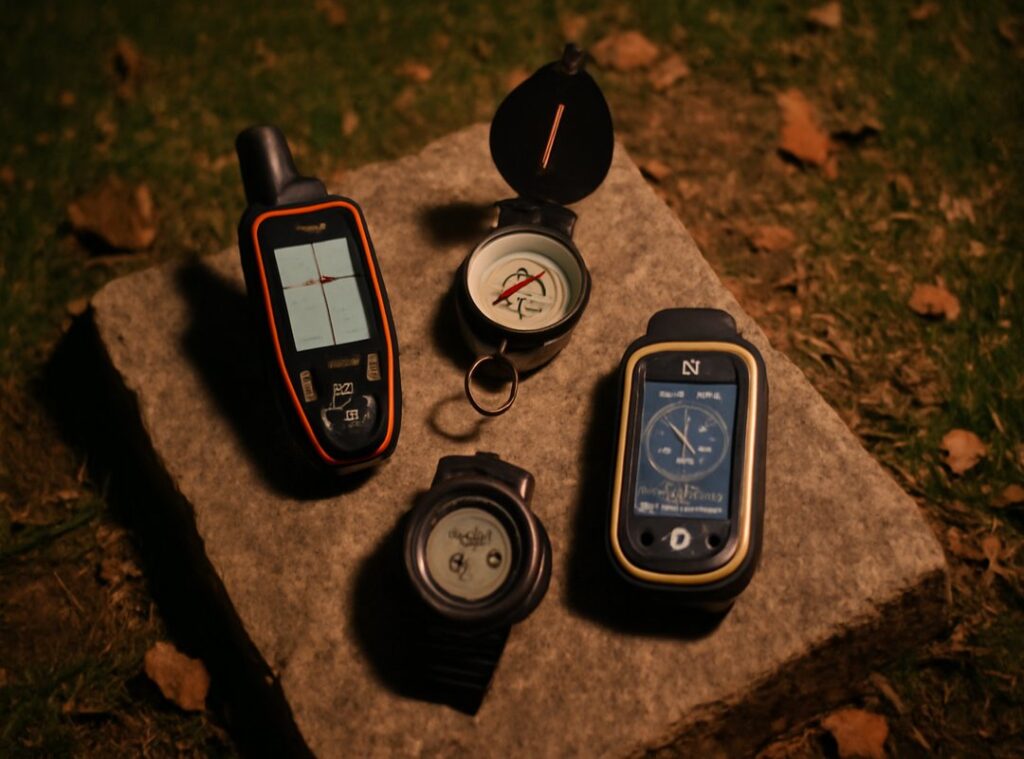
Lost in the woods with a dead phone battery and no signal? It’s a nightmare, right? I’ve been there too many times.
And after years of navigating the backcountry, I know what works. This isn’t about flashy features or marketing gimmicks. It’s about reliability.
We’re diving into the best GPS outdoor devices that won’t leave you stranded. Trust me, I’ve tested them in brutal conditions where every decision counts. You’ll get the clear, straightforward info you need to make the right choice.
No nonsense. Just what really matters when you’re off the grid. Ready to get through with confidence?
Why Your Smartphone Isn’t a True GPS Replacement
Can’t I just use my phone? I hear this all the time. Sure, smartphones are amazing (they’re basically mini computers), but in the wild, they’re not the best GPS outdoor devices.
Let’s talk about why.
First, battery life. Out there, it’s a real problem. Your phone’s battery will drain faster than you can say “lost signal.” And if you’re relying on it for survival, you’re playing with fire.
Then there’s the issue of fragility. Drop your phone on a rock? That’s it.
Game over. Not to mention, your phone might struggle to get a signal when you’re deep in the woods. Ever try calling someone from a canyon?
It’s like shouting into the void.
Contrast this with a dedicated GPS unit. These things are rugged and weatherproof (thank you, IPX ratings). They have replaceable batteries, which means you can carry spares without worrying.
Plus, they maintain a consistent satellite connection using GPS, GLONASS, and Galileo. It’s like comparing a kitchen knife to a survival knife. Sure, both cut, but which would you trust in a survival scenario?
Want to improve your navigation skills? Learn how to read topographic maps efficiently. It’s a game changer.
Decoding the Tech: 5 Features You Need in an Outdoor GPS
Getting lost isn’t on anyone’s to-do list. Let’s cut through the noise and talk about what makes the best GPS outdoor devices truly stand out.
First up, satellite systems. You might be wondering, what’s the big deal? Well, GPS alone can feel like an old car with no power steering.
Enter GLONASS and Galileo. These multi-system supports mean faster and more accurate positioning. More satellites, better fixes.
Battery life is key. Rechargeable batteries are convenient but may leave you stranded on longer trips. AA or AAA batteries?
They’re more reliable for extended adventures. Pick your poison based on trip length.
Now, screens. Can you read it in sunlight? If not, it’s a glorified paperweight.
Touchscreens are fancy but buttons work with gloves. You don’t want to be fumbling in the cold. Durability is key (think IPX7 water resistance).
Mapping capabilities are the heart of these devices. Preloaded maps are good, but having the option to add detailed topo maps or satellite imagery is even better. Trust me, you’ll want that detail when you’re knee-deep in the wilderness.
Lastly, two-way communication. Safety isn’t just for newbies. InReach technology allows for SOS alerts and satellite messaging.
It’s not a luxury; it’s a lifeline.
Need more info on choosing the best handheld gps? Check out this guide. Understanding these features will make all the difference on your next adventure.
Stay safe out there!
The 2024 Field Test: Top GPS Picks for Adventurers
When you’re out there in nature, a reliable GPS device can be your best friend. Trust me, I’ve been in situations where a good GPS was a lifesaver. But not all GPS devices are created equal.
So let’s dive into the best GPS outdoor devices for different types of adventurers.
First up, the Thru-Hiker’s Workhorse. If you’re serious about long-distance trekking, you need something like the Garmin GPSMAP 66i. This thing is a beast.
It’s built to last with legendary durability. You can drop it, bang it against rocks, and it’ll still work like a charm. The battery life is fantastic, thanks to its use of AA batteries (which you can find just about anywhere).
And let’s not forget the reliable button interface. When you’re wearing gloves or it’s pouring rain, you don’t want a touchscreen. Here’s the kicker: it has two-way satellite communication.
This isn’t just a fancy feature. It’s a safety net when you’re miles away from civilization. You never know when you’ll need to send an SOS.
Now, for the Modern Explorer’s Choice, you might want to look at the Garmin Montana 700i. This one is for those who love a large, user-friendly touchscreen. It’s like having a mini-computer in your hand.
Its mapping capabilities are solid. Whether you’re overlanding or hiking, it’s got you covered with detailed maps. But here’s the trade-off: that big screen guzzles battery.
If you’re okay with charging it more often, then this device is solid. It’s versatile, too. You can use it for multiple activities, which makes it a favorite for those who do more than just hike.
For those who want something light and simple, the Ultralight & Simple Navigator is your go-to. The Garmin inReach Mini 2 is perfect for you if you prioritize weight and emergency communication. It’s super compact.
You won’t even notice it in your pack. Now, it doesn’t have the complex mapping features on the device itself. But that’s not the point.
You pair it with your smartphone, and suddenly you’ve got a solid, lightweight system. It’s ideal for those who want to keep things minimal yet effective.
Each of these devices serves a different purpose. The key is to match the device to your needs. Are you a trekker, an explorer, or someone who just wants a backup in emergencies?
Choose wisely.
And if you’re looking for more ways to boost your navigation skills, check out these orienteering tips for advanced hikers. It’s always good to know how to get through even without a GPS. After all, technology can fail, but your skills won’t.
In the end, the right GPS device can make a huge difference in your adventure. Whether you’re hiking the PCT or just exploring local trails, having the right gear is key. So gear up and get out there.
The wild is waiting.
Beyond the Device: Master Skills for True Navigation
A best GPS outdoor devices is like a guide dog. But without the skills to direct it, you’re just wandering. Before hitting the trail, get comfy with creating waypoints and routes.
It’s not just about punching buttons; it’s about knowing where you’re headed. And let’s not kid ourselves (you) need a physical map and compass. They’re not museum artifacts.
They’re lifesavers when your gadget fails (because, believe me, it will).
Pre-trip prep isn’t optional either. Download maps, check those batteries (seriously, don’t forget), and share your route with someone. Your safety net isn’t the device; it’s the preparation behind it.
Think of it like this: Are you setting off like a weekend warrior or a seasoned explorer?
Pro tip: Use your GPS and compass together. They complement each other to prevent getting lost in confusing terrains. There you have it.
Gear up, but more importantly, skill up.
Find Your Way Home Every Time
Getting lost in the wild is scary. No one wants that. The dangers are real, and the uncertainty can paralyze you.
But the solution is simple. Choose the best GPS outdoor devices based on your specific adventure needs. This knowledge gives you the power to make a confident choice.
Don’t wait for an emergency to reveal gaps in your gear. Take charge. Review your options, think about your trips, and invest in gear that ensures a safe return.
Trust me, you’ll want that peace of mind. Go explore, but always find your way home.
 Wilderness Navigation & Survival Content Strategist
Diane Khanatibo writes the kind of backcountry concepts and gear content that people actually send to each other. Not because it's flashy or controversial, but because it's the sort of thing where you read it and immediately think of three people who need to see it. Diane has a talent for identifying the questions that a lot of people have but haven't quite figured out how to articulate yet — and then answering them properly.
They covers a lot of ground: Backcountry Concepts and Gear, Angle-Ready Wilderness Navigation, and plenty of adjacent territory that doesn't always get treated with the same seriousness. The consistency across all of it is a certain kind of respect for the reader. Diane doesn't assume people are stupid, and they doesn't assume they know everything either. They writes for someone who is genuinely trying to figure something out — because that's usually who's actually reading. That assumption shapes everything from how they structures an explanation to how much background they includes before getting to the point.
Beyond the practical stuff, there's something in Diane's writing that reflects a real investment in the subject — not performed enthusiasm, but the kind of sustained interest that produces insight over time. They has been paying attention to backcountry concepts and gear long enough that they notices things a more casual observer would miss. That depth shows up in the work in ways that are hard to fake.
Wilderness Navigation & Survival Content Strategist
Diane Khanatibo writes the kind of backcountry concepts and gear content that people actually send to each other. Not because it's flashy or controversial, but because it's the sort of thing where you read it and immediately think of three people who need to see it. Diane has a talent for identifying the questions that a lot of people have but haven't quite figured out how to articulate yet — and then answering them properly.
They covers a lot of ground: Backcountry Concepts and Gear, Angle-Ready Wilderness Navigation, and plenty of adjacent territory that doesn't always get treated with the same seriousness. The consistency across all of it is a certain kind of respect for the reader. Diane doesn't assume people are stupid, and they doesn't assume they know everything either. They writes for someone who is genuinely trying to figure something out — because that's usually who's actually reading. That assumption shapes everything from how they structures an explanation to how much background they includes before getting to the point.
Beyond the practical stuff, there's something in Diane's writing that reflects a real investment in the subject — not performed enthusiasm, but the kind of sustained interest that produces insight over time. They has been paying attention to backcountry concepts and gear long enough that they notices things a more casual observer would miss. That depth shows up in the work in ways that are hard to fake.