There’s nothing quite like savoring a hot, flavorful meal under a sky full of stars after a long day on the trail. Yet too often, campers weigh themselves down with excessive cookware or resign themselves to bland, pre-packaged options that barely satisfy. The good news? You don’t need a full camp kitchen to eat well outdoors. This guide to one-pot campfire meals shows you how to create hearty, delicious dishes with minimal gear and even less cleanup. Built on years of trail-tested backcountry experience, these methods are designed for maximum flavor, efficiency, and pure fireside satisfaction.
Essential Gear: Choosing Your Single Cooking Vessel
Picking one cooking vessel is about PRIORITIES.
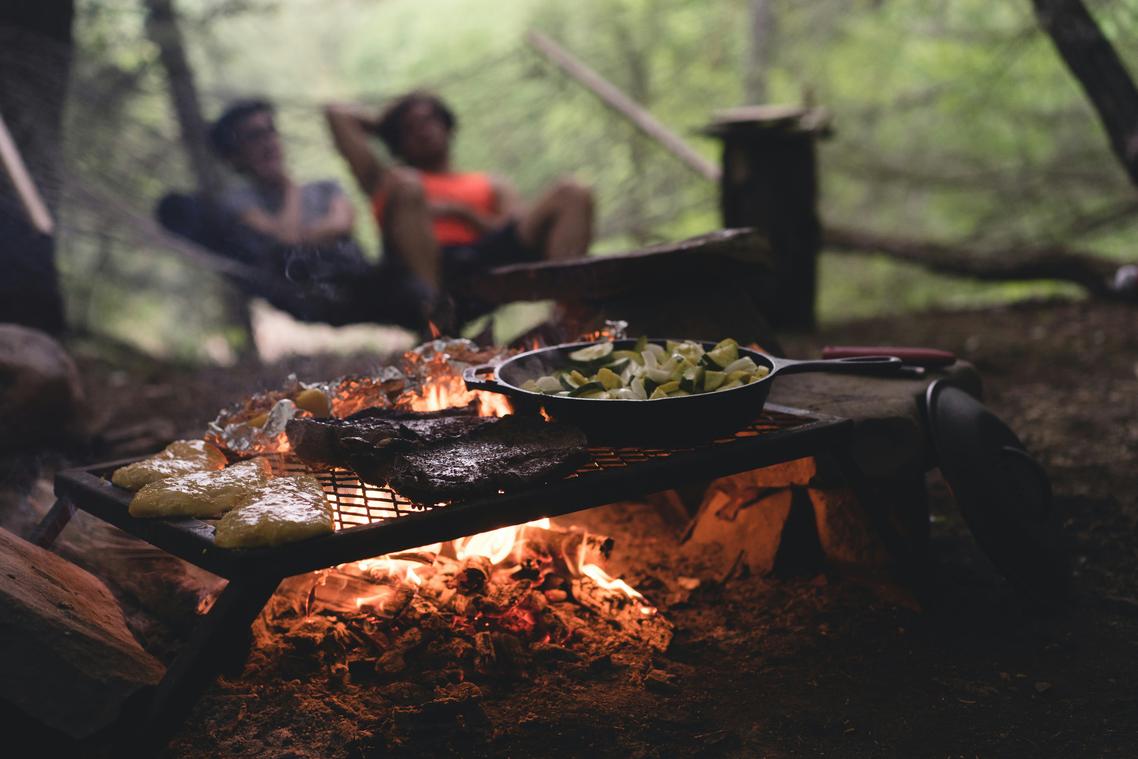
The Cast Iron Skillet offers even heat distribution (meaning the entire surface warms consistently), serious durability, and a naturally non-stick surface when properly seasoned—seasoning is the baked-on oil layer that prevents sticking. It’s perfect for steaks or cornbread, but it’s heavy and best suited for car camping.
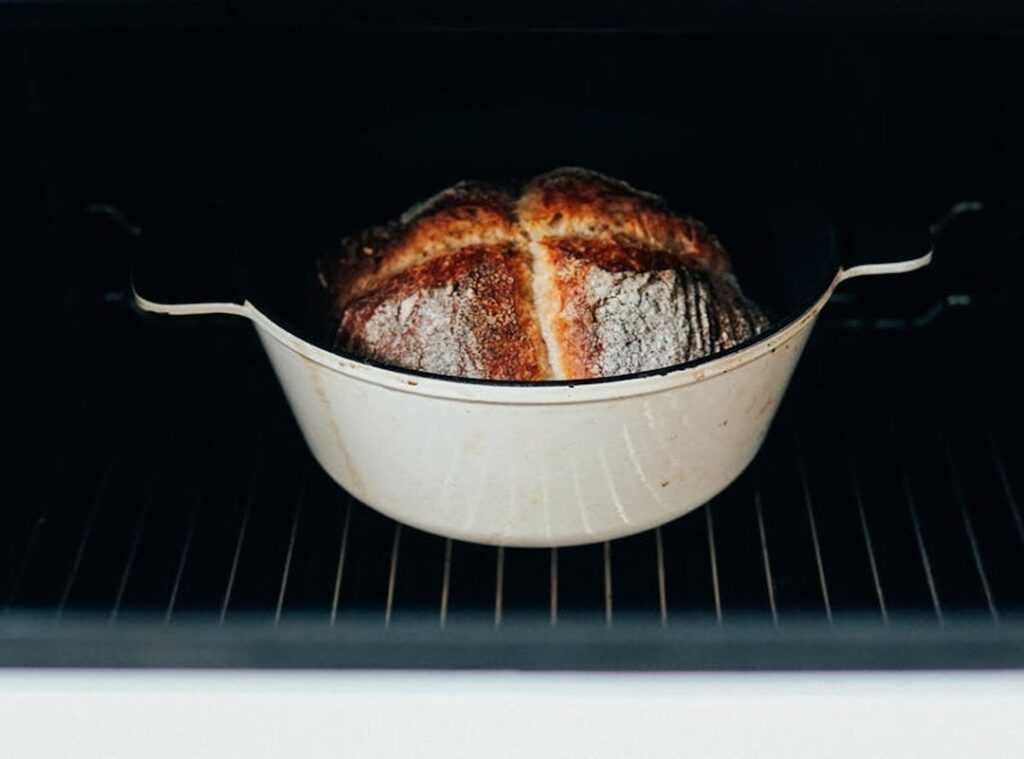
The Camp Dutch Oven is the multitool of camp kitchens. You can bake, stew, roast, and simmer one-pot campfire meals with ease. The flanged lid (a raised rim) holds hot coals on top for all-around heat—essential for baking biscuits in the wild.
The Lightweight Backpacking Pot—often titanium or aluminum—keeps packs light. The trade-off? You must manage heat carefully to avoid scorching.
Critical accessories matter:
- Heat-resistant gloves
- Long-handled spoon or spatula
- Reliable pot gripper
PRO TIP: Match your vessel to your trip STYLE, not trends.
Mastering Your Heat Source: From Flame to Coals
Why Coals Are King
Open flames look impressive (very campfire-core), but they’re wildly inconsistent. Flames spike above 1,100°F, scorching the outside of food before the inside cooks. A mature bed of glowing coals, by contrast, delivers steady radiant heat—typically 500–700°F—ideal for controlled cooking (National Park Service fire guidance). Some argue flames cook faster. True. But faster isn’t better when your stew is burnt on one side and raw on the other. Coals win because they’re predictable.
Building a Cooking Fire
A practical setup is the keyhole fire lay: a circular fire pit with a narrow extension where hot coals are raked for cooking. Burn hardwood down first, then shovel embers into the “handle” section. This creates a dedicated, stable cooking zone—perfect for one-pot campfire meals.
Heat Regulation Techniques
Control heat with precision:
- Raise or lower a grate to adjust intensity.
- Move your pot to the coal bed’s edge for simmering.
- Spread coals thin for medium heat; pile them for high heat.
(Pro tip: Think of coals like stove burners—you’re adjusting “settings” by placement, not knobs.)
Wind Management
Wind steals heat and causes flare-ups. Use a metal windscreen or position your fire beside rocks or logs to stabilize temperatures. Some say wind adds “character.” Maybe. But consistent heat cooks better food every time.
Trailside Breakfasts to Start Your Day Strong
Mountain Skillet Scramble sounds fancy, but it simply means cooking everything together in one pan. Dice potatoes, slice pre-cooked sausage, and chop onions at home—this is called mise en place, a term for prepping ingredients before you cook. At camp, you’ll sauté, add beaten eggs, and stir. Some hikers argue fresh prep onsite tastes better, but efficiency saves fuel and time (and keeps hangry moods away).
Next, upgrade instant oats with Deluxe Camp Oatmeal: rolled oats, dried fruit, nuts, cinnamon, and brown sugar simmered together. Rolled oats are grains steamed and flattened, which means they cook quickly but still feel hearty. Think of it as oatmeal’s backcountry glow-up.
For eggs, preheat your pot, add enough oil, and let the surface get hot before pouring. This reduces sticking in one-pot campfire meals. If unsure, review how to build a fire safely in wet conditions.
Hearty One-Pot Dinners for a Satisfying Evening
The first time I made Campfire Chili Mac, it was after a long, wet hike when everyone was cold and cranky (the kind of silence that’s not peaceful). I dumped ground beef, chili seasoning, canned tomatoes, and macaroni into a single pot and hoped for the best. Twenty minutes later, morale was fully restored. That’s the magic of one-pot campfire meals: minimal cleanup, maximum comfort.
Campfire Chili Mac works because starch and protein cook together, absorbing flavor as they simmer. If you prefer meatless options, beans hold up beautifully and travel well without refrigeration. Some argue fresh ingredients always taste better—and sure, they can—but on the trail, shelf-stable reliability often wins.
Next, Backcountry Chicken & Rice has saved more evenings than I can count. Quick-cook rice (parboiled rice that cooks faster because it’s partially precooked), bouillon cubes, dehydrated vegetables, and canned chicken create a hearty bowl in under 15 minutes. Pro tip: crush bouillon before packing so it dissolves evenly.
Then there’s Sausage and Veggie Stew, my go-to for clearing out odds and ends. Smoked sausage, carrots, potatoes, and broth simmer into something deeply satisfying. Root vegetables last for days without spoiling, and hard cheeses or summer sausage add richness at the end.
While some campers insist on elaborate grilling setups, I’ve found that simple stews and skillets consistently outperform complicated plans. Fewer tools mean fewer problems (and fewer dishes in the dark). Ultimately, a single pot, steady heat, and smart ingredients are all you need for a satisfying evening outdoors.
Ever wonder why cleanup feels harder than cooking? Try this:
- The Hot Water Trick: Immediately after serving one-pot campfire meals, boil water in-pot. Stuck bits loosen fast.
- Leave No Trace: Strain scraps and scatter dishwater 200 feet from water.
- Soot Prevention: Rub biodegradable soap outside before flames.
Eat Better, Pack Lighter, and Adventure Further
You set out to master one-pot campfire meals, and now you can see how simple techniques can completely transform the way you eat outdoors. No more overstuffed packs. No more settling for bland, forgettable trail food. With the right gear, smart heat management, and a handful of easy, reliable recipes, you can cook meals that are hearty, flavorful, and satisfying anywhere your adventure takes you.
On your next trip, try one of the featured recipes and experience the freedom for yourself. Pack lighter, cook smarter, and taste how good the wild can be.
 Founder & Chief Exploration Officer
There is a specific skill involved in explaining something clearly — one that is completely separate from actually knowing the subject. Valdran Vornhaven has both. They has spent years working with outdoor packing essentials in a hands-on capacity, and an equal amount of time figuring out how to translate that experience into writing that people with different backgrounds can actually absorb and use.
Valdran tends to approach complex subjects — Outdoor Packing Essentials, Backcountry Concepts and Gear, Angle-Ready Wilderness Navigation being good examples — by starting with what the reader already knows, then building outward from there rather than dropping them in the deep end. It sounds like a small thing. In practice it makes a significant difference in whether someone finishes the article or abandons it halfway through. They is also good at knowing when to stop — a surprisingly underrated skill. Some writers bury useful information under so many caveats and qualifications that the point disappears. Valdran knows where the point is and gets there without too many detours.
The practical effect of all this is that people who read Valdran's work tend to come away actually capable of doing something with it. Not just vaguely informed — actually capable. For a writer working in outdoor packing essentials, that is probably the best possible outcome, and it's the standard Valdran holds they's own work to.
Founder & Chief Exploration Officer
There is a specific skill involved in explaining something clearly — one that is completely separate from actually knowing the subject. Valdran Vornhaven has both. They has spent years working with outdoor packing essentials in a hands-on capacity, and an equal amount of time figuring out how to translate that experience into writing that people with different backgrounds can actually absorb and use.
Valdran tends to approach complex subjects — Outdoor Packing Essentials, Backcountry Concepts and Gear, Angle-Ready Wilderness Navigation being good examples — by starting with what the reader already knows, then building outward from there rather than dropping them in the deep end. It sounds like a small thing. In practice it makes a significant difference in whether someone finishes the article or abandons it halfway through. They is also good at knowing when to stop — a surprisingly underrated skill. Some writers bury useful information under so many caveats and qualifications that the point disappears. Valdran knows where the point is and gets there without too many detours.
The practical effect of all this is that people who read Valdran's work tend to come away actually capable of doing something with it. Not just vaguely informed — actually capable. For a writer working in outdoor packing essentials, that is probably the best possible outcome, and it's the standard Valdran holds they's own work to.