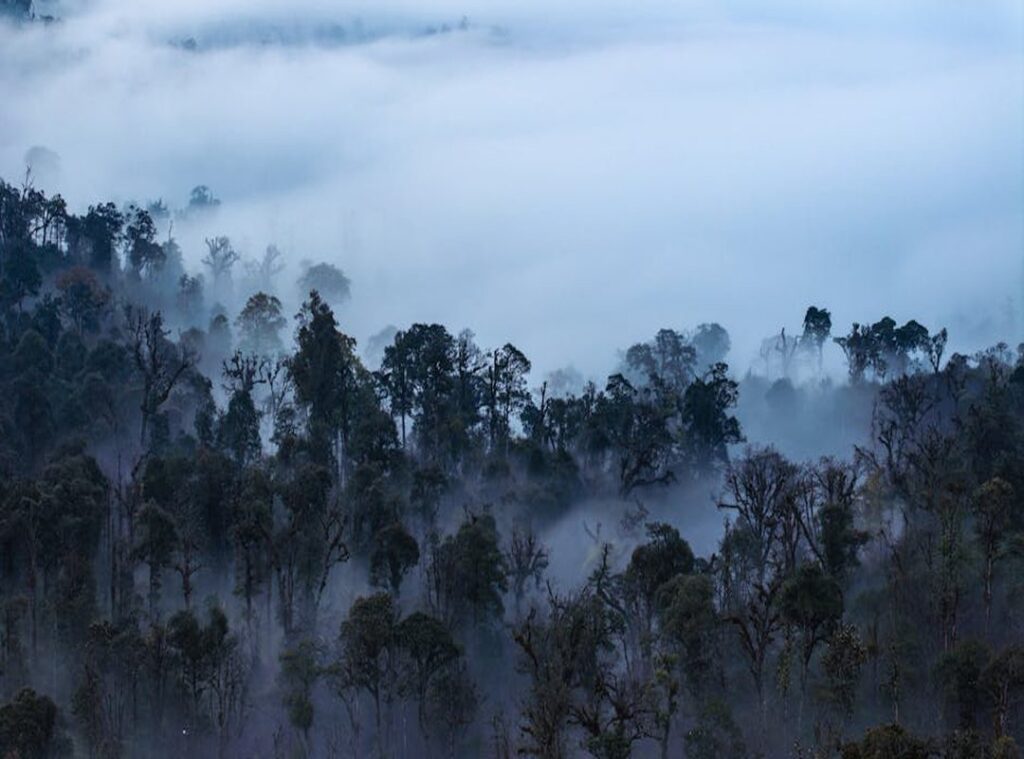
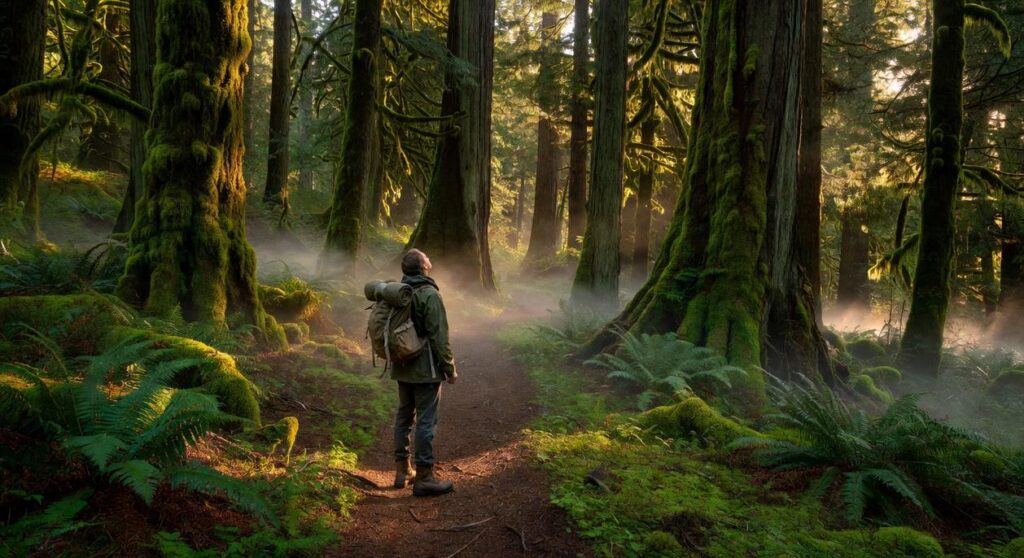
If you’re searching for quiet forest campsites, you’re likely craving more than just a place to pitch a tent—you want solitude, safety, and a deeper connection to the wild. This guide is built to help you find exactly that. We break down how to locate secluded spots away from crowded campgrounds, what backcountry signs to look for before setting up, and how to ensure you’re camping legally and responsibly.
Beyond location tips, you’ll learn essential wilderness navigation strategies, gear considerations for remote terrain, and practical survival skills that make the difference between a stressful trip and a restorative one. Every recommendation is grounded in field-tested outdoor practices, insights from seasoned backcountry explorers, and real-world navigation experience.
Whether you’re planning your first off-grid overnight or seeking new hidden gems far from the noise, this article will give you the clarity and confidence to camp smarter—and quieter—on your next forest escape.
Finding Quiet in the Canopy: Your Guide to Serene Forest Camping
Imagine waking to dappled sunlight and birdsong—no engines, no сосед chatter, just BREATHABLE SILENCE. Too often, a “wooded” site means a packed loop with a few tired pines (not exactly Walden). If you’re searching for quiet forest campsites, you need a smarter plan.
Step-by-step strategy:
- Use satellite view to scan for campsites at least 300 yards from roads, water access points, and large parking lots.
- Filter reviews by keywords like “secluded,” “walk-in,” and “primitive.”
Pro tip: midweek bookings and shoulder seasons dramatically reduce noise, according to National Park Service visitation data (nps.gov). SOLITUDE favors the prepared.
Beyond trees, a tranquil wooded campsite is defined by its buffer—the undeveloped band of land and dense understory separating you from the next party. That buffer acts as a natural sound baffle, absorbing conversation and blocking sightlines so lantern glow doesn’t pierce the dark. In practice, thirty yards of mixed pine and brush can feel like a private acre.
Equally important is the soundscape. Wind moving through high branches or a distant owl creates what acousticians call “natural white noise,” a steady ambient layer that masks minor disturbances. By contrast, generators, slamming car doors, and late-night playlists slice through the woods. Therefore, sites set far from entrance roads, boat ramps, and bathhouses consistently rate quieter in park surveys (National Park Service visitor studies).
There is, however, an amenity trade-off. The most serene loops are often primitive or walk-in, lacking RV hookups and flush toilets. Fewer conveniences naturally filter out crowds seeking plug-and-play comfort (think less RV rally, more Thoreau). Finally, study the campground map before booking: favor corner sites, dead-end spurs, and terrain barriers like creeks or ridgelines. These features increase separation, which is why seasoned campers hunting quiet forest campsites zoom in on topography first. Pro tip: arrive midweek.
Your Roadmap to Solitude: How to Discover Hidden Forest Gems

Mastering Modern Maps for Ancient Forests
Finding solitude isn’t luck. It’s LAYERING.
Modern mapping apps let you toggle between satellite and topographic (topo) layers—and understanding the difference matters. Satellite view shows actual tree cover, clearings, and access roads. Topographic maps use contour lines to represent elevation changes (closely spaced lines mean steep terrain). When both show dense canopy far from major roads, your odds of seclusion rise.
Look specifically for “dispersed camping” in National Forests and Bureau of Land Management (BLM) areas. Dispersed camping means camping outside developed campgrounds, usually without amenities (no bathrooms, no water, no reservations). It’s often free—and often gloriously empty.
That said, I’ll admit something: map data isn’t always current. A road that looks abandoned on satellite might be newly graded. A hidden clearing might now be popular on social media. There’s always uncertainty (nature doesn’t update in real time).
The Power of Strategic Keywords
Typing “wooded campsite” into a search bar gets you the obvious spots. Try:
- Primitive walk-in sites (sites you hike into, leaving vehicles behind)
- Hike-to-camp
- Secluded forest campground
- Campsites with large buffers (extra space between sites)
These phrases filter for places designed—or at least positioned—for quiet forest campsites rather than RV clusters with generators humming all night (you know the vibe).
Pro tip: Combine keywords with specific ranger districts instead of entire parks for more precise results.
Think Outside the National Park
National Parks are iconic. They’re also crowded. State Forests, County Parks, and Conservation Areas often fly under the radar. Many operate on a first-come, first-served basis, meaning early arrivals—especially midweek—win the best sites.
Some argue that famous parks are popular for a reason: better maintenance, clearer signage, more safety infrastructure. That’s fair. But if solitude is your goal, lesser-known public lands frequently outperform the big names. For alternatives, explore these underrated national parks worth exploring.
Leverage Time as Your Greatest Ally
Time is your secret weapon.
Mid-week trips (Tuesday–Thursday) dramatically reduce campground occupancy, according to National Park Service visitation patterns (NPS.gov). Shoulder seasons—early spring and late fall—offer cooler temperatures and fewer insects, though weather can be unpredictable.
I can’t promise total isolation. Conditions change. Popularity shifts. But if you combine smarter maps, sharper keywords, overlooked lands, and strategic timing, your odds improve—significantly.
Solitude isn’t found. It’s engineered.
Packing for Peace: Essential Gear for a Deeper Woods Experience
The Right Shelter for the Setting
Most campers default to tents. Fair. They’re familiar and feel secure. But in dense forests, a hammock system offers a low-impact alternative that many gear roundups barely explore. By suspending between trees, you avoid compacting soil and damaging undergrowth—an overlooked benefit in fragile ecosystems. With a proper rainfly and underquilt (insulated layer beneath the hammock), you gain airflow, comfort, and flexibility on uneven ground. Pro tip: always use tree-friendly straps at least one inch wide to prevent bark damage (Leave No Trace Center for Outdoor Ethics).
Navigational Confidence
Yes, GPS apps are convenient—until they’re not. In remote areas and quiet forest campsites, cell service disappears fast. A physical topographic map (shows elevation contours) and compass aren’t “old school”; they’re redundancy done right. Critics argue modern devices are enough. Search and Rescue data consistently shows battery failure and user error are common factors in backcountry incidents (NASAR). Paper doesn’t crash.
- Carry a baseplate compass
- Know how to orient your map
- Mark bailout routes in advance
Wildlife Awareness
Bear canisters or proper hangs aren’t optional. They prevent habituation—when animals associate humans with food (National Park Service).
Leave No Trace in Practice
Dig catholes 6–8 inches deep, 200 feet from water. Keep fires minimal or skip them entirely (your future campsite neighbors will thank you).
Finding a peaceful, wooded campsite isn’t luck; it’s learned. Have you ever wondered why some trips feel like a festival parking lot while others feel like stepping into Narnia? The difference, first and foremost, is strategy.
Start with smarter search terms. Instead of popular park names, look for dispersed areas, secondary trail access, or seasonal road closures. Then, consider timing. Midweek stays and shoulder seasons dramatically reduce traffic (yes, even in parks, according to National Park Service visitation data). Finally, broaden your map. Lesser-known public lands often sit half-empty while headline destinations overflow.
So ask yourself: are you planning reactively, or intentionally? With a bit of research and flexibility, quiet forest campsites become predictable, not accidental.
In the end, the forest rewards preparation. Use these techniques on your next trip, refine them as you go, and notice the difference. The quiet you’re searching for is out there—now you know how.
Find Your Way Back to the Wild
You set out looking for real solitude, practical guidance, and places where nature still feels untouched. Now you know how to locate quiet forest campsites, sharpen your navigation skills, and prepare with the right backcountry gear to stay safe and self-reliant.
The truth is, overcrowded campgrounds and unreliable advice can ruin a trip before it even begins. Wasted time, noisy neighbors, and poor planning pull you away from the peace you’re craving. With the right knowledge, you don’t have to settle for that experience.
Take the next step toward better wilderness adventures. Explore our in-depth backcountry guides, gear breakdowns, and hidden destination features designed to help you camp smarter and travel farther. Join thousands of outdoor enthusiasts who rely on our trusted insights to plan their escapes with confidence.
Your next quiet escape is out there. Start planning it today.
 Head of Gear Intelligence & Field Testing
Bertha Mayonativers writes the kind of backcountry concepts and gear content that people actually send to each other. Not because it's flashy or controversial, but because it's the sort of thing where you read it and immediately think of three people who need to see it. Bertha has a talent for identifying the questions that a lot of people have but haven't quite figured out how to articulate yet — and then answering them properly.
They covers a lot of ground: Backcountry Concepts and Gear, Angle-Ready Wilderness Navigation, Campfire Recipes and Survival Skills, and plenty of adjacent territory that doesn't always get treated with the same seriousness. The consistency across all of it is a certain kind of respect for the reader. Bertha doesn't assume people are stupid, and they doesn't assume they know everything either. They writes for someone who is genuinely trying to figure something out — because that's usually who's actually reading. That assumption shapes everything from how they structures an explanation to how much background they includes before getting to the point.
Beyond the practical stuff, there's something in Bertha's writing that reflects a real investment in the subject — not performed enthusiasm, but the kind of sustained interest that produces insight over time. They has been paying attention to backcountry concepts and gear long enough that they notices things a more casual observer would miss. That depth shows up in the work in ways that are hard to fake.
Head of Gear Intelligence & Field Testing
Bertha Mayonativers writes the kind of backcountry concepts and gear content that people actually send to each other. Not because it's flashy or controversial, but because it's the sort of thing where you read it and immediately think of three people who need to see it. Bertha has a talent for identifying the questions that a lot of people have but haven't quite figured out how to articulate yet — and then answering them properly.
They covers a lot of ground: Backcountry Concepts and Gear, Angle-Ready Wilderness Navigation, Campfire Recipes and Survival Skills, and plenty of adjacent territory that doesn't always get treated with the same seriousness. The consistency across all of it is a certain kind of respect for the reader. Bertha doesn't assume people are stupid, and they doesn't assume they know everything either. They writes for someone who is genuinely trying to figure something out — because that's usually who's actually reading. That assumption shapes everything from how they structures an explanation to how much background they includes before getting to the point.
Beyond the practical stuff, there's something in Bertha's writing that reflects a real investment in the subject — not performed enthusiasm, but the kind of sustained interest that produces insight over time. They has been paying attention to backcountry concepts and gear long enough that they notices things a more casual observer would miss. That depth shows up in the work in ways that are hard to fake.