You know the feeling. You’ve spent a day hiking under an endless sky, the scent of pine in the air, only to settle down to a meal that’s… uninspired. Many of us think that making meals in the wild means lugging heavy gear or settling for tasteless, dehydrated packets.
I’ve been there, and it doesn’t have to be like that. With years of backcountry trial and error, I’ve gotten a grip on what works.
I’m here to challenge the myth that easy campfire meals can’t be delicious. You’re about to learn how to whip up meals packed with flavor, using minimal gear, and without a mess to deal with afterward. This guide is your ticket to transforming your outdoor meals into a satisfying adventure.
The Golden Rules of Simple Outdoor Cooking
What makes a recipe truly ‘simple’ for the great outdoors? It’s about keeping things minimal and fuss-free. Rule one: stick to 5-7 core ingredients (you can prep many at home).
Fewer ingredients mean more time enjoying the view, less time scavenging for extras.
Next, go for one-pot or foil-packet friendly meals. Why? Because minimizing cookware means less hassle and quicker cleanup.
Nobody wants to scrub pans while the sun sets, right? And let’s talk smart prep at home. Pre-chop those veggies, mix your spices, and maybe even pre-cook your proteins.
It’s all about saving time and avoiding mess at the campsite.
Lastly, aim for low-maintenance cooking. This is key. The best recipes don’t need constant stirring or temperature tweaks.
They let you soak in your surroundings (and isn’t that the point of being out there, anyway?).
Looking to expand your outdoor skills? Check out this beginners guide to foraging in the wild for more fun ways to connect with nature. It’s all about making cooking as enjoyable as the adventure itself.
Foil Packet Feasts: The Ultimate Campfire Convenience
Foil packet cooking is my go-to for camping. It’s versatile, simple, and the best part? No dishes.
You just need a base formula: Protein, a hefty vegetable, something starchy, a bit of fat or sauce, and seasoning. It’s the ultimate in easy campfire meals.
Let’s dive into the first recipe. Lemon Herb Chicken & Veggies. Grab chicken breast chunks, thinly sliced baby potatoes, broccoli, a drizzle of olive oil, lemon slices, and some dried herbs.
Place all these on a sheet of heavy-duty foil. Fold it up, sealing well. Toss it over the coals.
Wait about 20 minutes, flip halfway. Open it up. Enjoy the juicy, lemony goodness.
Now, for those who love a cheesy hit. Cheesy Sausage & Peppers. Think pre-cooked sausage, colorful bell peppers, onions, and shredded cheddar or mozzarella.
A dash of tomato sauce goes a long way. Same routine: foil, fold, cook. Trust me, this is a serious crowd-pleaser.
Does sealing the packet seem tricky? Here’s a pro-tip: Double-wrap with foil. Fold the edges tightly to keep everything inside.
For more campfire meal ideas, check out the lazy camper’s guide to easy campfire meals. It’s packed with tips for making campfire cooking a breeze. Who wants to scrub pots in the wilderness?
No leaks, no mess.
Not me. Whether you’re a seasoned camper or just trying it out, these foil packets will save you time and effort. Try them out.
One-Pot Wonders: Easy Campfire Meals
After a grueling day in the wild, there’s nothing like one-pot meals to satisfy your hunger. They’re the go-to for filling, comforting food. Trust me, after hiking with a heavy pack, you won’t want to fuss over dinner.
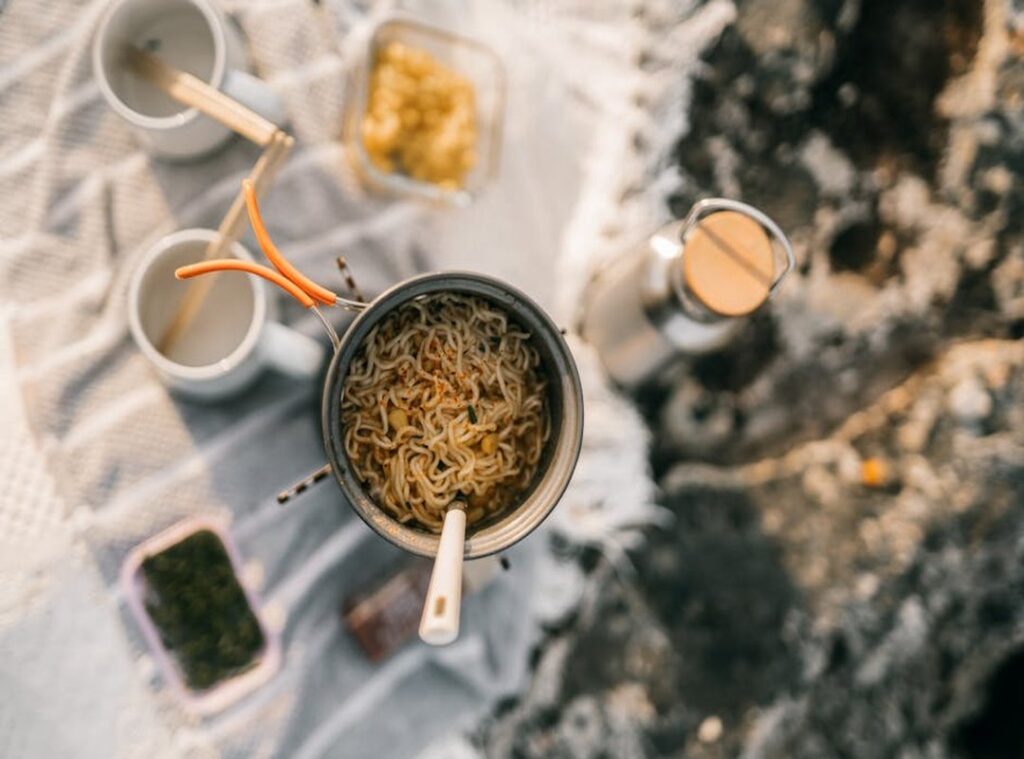
Take Backcountry Chili Mac, for instance. You just need instant macaroni, a can or dehydrated mix of chili, water, and some shredded cheese. Boil it up, mix it, melt the cheese.
Boom, done. Feeling fancy? Add Fritos for that irresistible crunch.
Now, let’s talk about Speedy Sun-Dried Tomato Couscous. Couscous is a backcountry hero. It only needs hot water (no simmering required).
Gather some couscous, sun-dried tomatoes in oil, a bit of dehydrated spinach, and a vegetable bouillon cube. Optional: pine nuts or feta if you crave a bit of flair. It’s simple yet gourmet-ish.
Here’s a pro tip: use a pot cozy to save fuel. It keeps your meal warm as it rehydrates. Saves you money, keeps your food hot.
Genius, right?
For more delicious dutch oven recipes for camping, check out that link. It’s packed with mouth-watering options. But back to our one-pot wonders.
These meals are lifesavers when you’re out in nature. They’re quick, hearty, and don’t demand a lot of cleanup. What more could you ask for when the stars are your ceiling?
So next time you plan an adventure, remember these easy campfire meals. They’ll keep you well-fed and ready for whatever the wilderness throws at you.
No-Cook Wonders: Meals for the Fire-Banned and Burnt Out
Ever hit that moment when you just can’t? Either the weather’s against you or you’re just plain exhausted. I’ve been there.
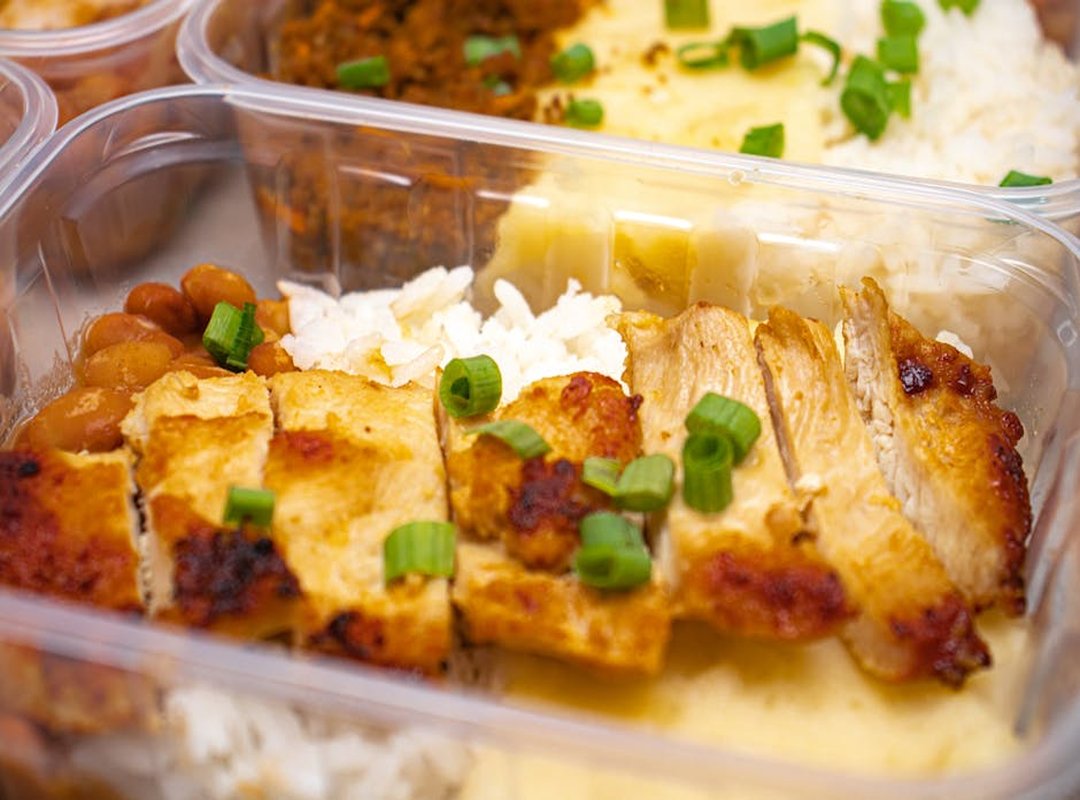
That’s why I’ve got a few easy campfire meals that don’t even need a campfire. Yeah, you heard me right. First, let’s raise your backpacking snacks.
Forget the usual cheese and crackers! Instead, I bring upgraded charcuterie to the table. Hard salami, aged cheese, hearty crackers, dried apricots, and maybe a single-serving olive packet.
It’s like a gourmet picnic in your pack. Simple, yet satisfying (and no fire needed).
Next up, something for those lazy mornings: savory herb oatmeal. Forget the sugar-laden stuff. I’m talking plain instant oats with a chicken or veggie bouillon cube.
Add dried herbs like thyme or rosemary (trust me, it works). Finish with a drizzle of olive oil. It’s hearty, surprising, and doesn’t require a heat source.
Finally, tortilla roll-ups are a must. They’re versatile and require zero cooking. Try hummus with bell pepper strips, or for something heartier, cream cheese and jerky.
Who said oats had to be sweet anyway?
Looking for energy? Peanut butter and granola won’t let you down. Roll it all up, and you’ve got a portable, no-mess lunch.
These meals? They’re lifesavers when you’re too tired or fire-banned. No need for fancy gadgets or endless prep.
Just good eats, ready when you are. It’s all about making things easy without sacrificing flavor. So, what’s your go-to meal when the campfire’s a no-go?
Campfire Cooking: Skills You Need
Cooking over a fire isn’t just tossing food into flames. You need heat management. Create zones: hot coals for searing, edges for simmering.
Ever tried making easy campfire meals without a plan? Trust me, it’s chaos without zones.
Next, your spice kit. Keep it simple and waterproof. Salt, pepper, garlic powder, red pepper flakes.
Important, right?
And for cleanup, use a tiny bit of biodegradable soap far from water sources. Pack out all food scraps (yes, every last bit). Leave no trace.
It’s key for nature and future campers. Are you ready to cook like a pro?
Campfire Cooking Made Simple
Eating well outdoors shouldn’t be a chore, right? Now you’ve got a handful of easy campfire meals that are simple but proven tasty. Remember, it’s all about smart prep and picking the right recipe.
Whether you go with foil packets, one-pot wonders, or no-cook delights, you’ve got options.
So, what’s next? Choose one of these recipes for your next trip. Pack the ingredients, get outside, and taste how amazing camp food can really be.
Need proof? Ask the countless happy campers who’ve discovered that the best meals are cooked under open skies.
 Wilderness Navigation & Survival Content Strategist
Diane Khanatibo writes the kind of backcountry concepts and gear content that people actually send to each other. Not because it's flashy or controversial, but because it's the sort of thing where you read it and immediately think of three people who need to see it. Diane has a talent for identifying the questions that a lot of people have but haven't quite figured out how to articulate yet — and then answering them properly.
They covers a lot of ground: Backcountry Concepts and Gear, Angle-Ready Wilderness Navigation, and plenty of adjacent territory that doesn't always get treated with the same seriousness. The consistency across all of it is a certain kind of respect for the reader. Diane doesn't assume people are stupid, and they doesn't assume they know everything either. They writes for someone who is genuinely trying to figure something out — because that's usually who's actually reading. That assumption shapes everything from how they structures an explanation to how much background they includes before getting to the point.
Beyond the practical stuff, there's something in Diane's writing that reflects a real investment in the subject — not performed enthusiasm, but the kind of sustained interest that produces insight over time. They has been paying attention to backcountry concepts and gear long enough that they notices things a more casual observer would miss. That depth shows up in the work in ways that are hard to fake.
Wilderness Navigation & Survival Content Strategist
Diane Khanatibo writes the kind of backcountry concepts and gear content that people actually send to each other. Not because it's flashy or controversial, but because it's the sort of thing where you read it and immediately think of three people who need to see it. Diane has a talent for identifying the questions that a lot of people have but haven't quite figured out how to articulate yet — and then answering them properly.
They covers a lot of ground: Backcountry Concepts and Gear, Angle-Ready Wilderness Navigation, and plenty of adjacent territory that doesn't always get treated with the same seriousness. The consistency across all of it is a certain kind of respect for the reader. Diane doesn't assume people are stupid, and they doesn't assume they know everything either. They writes for someone who is genuinely trying to figure something out — because that's usually who's actually reading. That assumption shapes everything from how they structures an explanation to how much background they includes before getting to the point.
Beyond the practical stuff, there's something in Diane's writing that reflects a real investment in the subject — not performed enthusiasm, but the kind of sustained interest that produces insight over time. They has been paying attention to backcountry concepts and gear long enough that they notices things a more casual observer would miss. That depth shows up in the work in ways that are hard to fake.