Ever packed all the right gear and still felt like an imposter in the wild? I’ve been there. It’s not about what you pack; it’s about what you know.
Trust me, I’ve spent countless nights under the stars, miles from any trailhead. You learn fast when you’re out there alone (or wish you had).
We’re moving beyond gear lists to focus on the core capabilities. Skills that build true confidence. This guide is for campers who want to feel at home in the wilderness.
Not just visit it. We’re talking important survival skills camper need to embrace the wild with open arms.
So, ready to ditch the anxiety and embrace freedom? We’ll do just that. You’ll gain the tools to transform fear into confidence.
It’s more than a guide. It’s a mindset shift.
Claim Your Ground: The Art of Shelter & Site Selection
When it comes to camping, knowing where to pitch your tent is just as important as the tent itself. It’s not just about finding a flat spot (though flatness is key for comfort). You need to think about the 5 Ws: Water, Wood, Wind, Widowmakers, and Flatness.
Water should be close enough for convenience but far enough to avoid flooding. Wood’s important if you’re building fires. Windbreaks help, especially if you’re spending a chilly night out there.
Watch out for widowmakers (those dead branches waiting to fall). They’re more common than you’d think. And, of course, flatness is non-negotiable unless you enjoy rolling around in your sleep.
Windy conditions? Use a taut-line hitch for your guylines. It keeps things secure without fuss.
Rocky ground? Stake those corners with stones (nature’s extra help). Don’t let a hard surface ruin your rest.
Now, let’s talk about minimalist shelters. Pitching a traditional tent can be a drag (literally, those things are heavy). Consider a tarp.
It’s versatile and liberating (connects) you with nature on another level. You can set up a tarp almost anywhere. It’s a great way to embrace the environment around you.
And while you’re discovering the wilderness, check out these quick and easy campfire meals for beginners. Trust me, you’ll want something simple after mastering these important survival skills camper styles.
Master the Flame: Campfire Craft & Backcountry Cooking
Fire-making isn’t just about survival. It’s a foundational skill, almost spiritual if you ask me. Warmth, safety, nourishment (they’re) all tied to that flickering flame.
But can you picture starting a fire without a match or lighter? Let’s break it down. The fire triangle: heat, fuel, oxygen.
Simple, right? Tinder, kindling, fuel wood. You’ve got the cotton balls with Vaseline (an old favorite), birch bark, and sticks from pencil-lead to logs.
It feels like art mixed with science.
Have you tried a ferrocerium rod? If not, it’s time. Picture scraping sparks like a wizard conjuring fire.
And don’t forget the stormproof lighter. Those two are my go-to. But (and) this is big (practice) before you hit the wild.
You don’t want to be the camper fumbling in frustration.
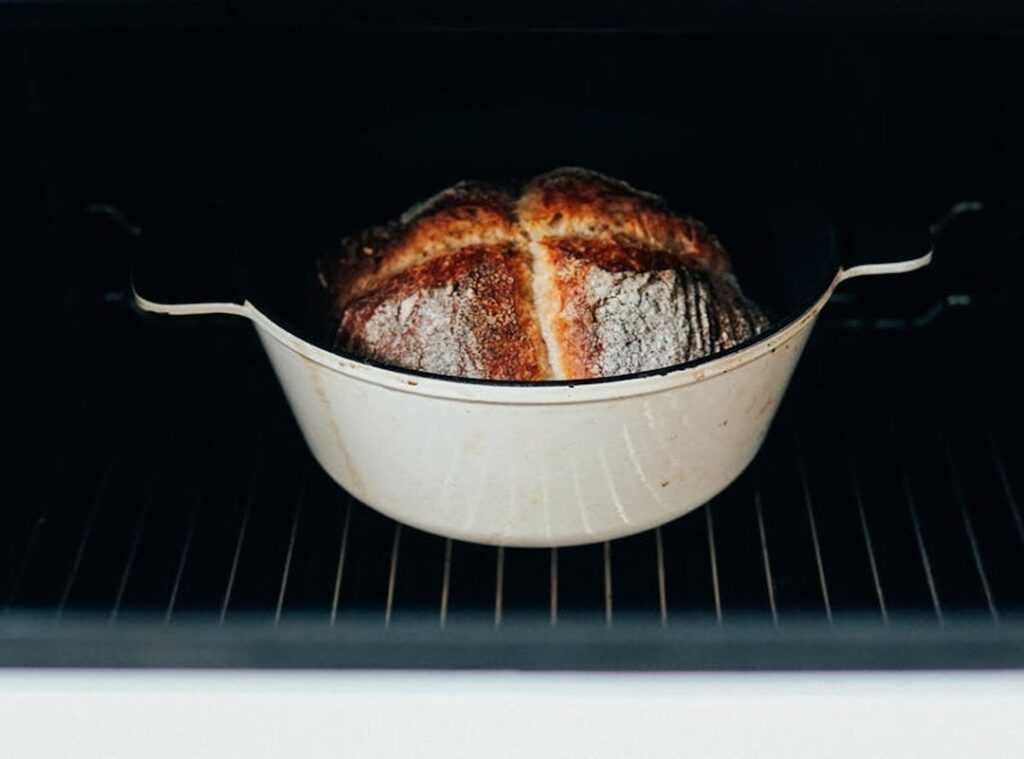
Let’s move on. You’ve made the fire, now time to cook. One-pot meals are the heroes.
What’s more satisfying than a hearty lentil stew or backcountry chili simmering beside you? It’s one of those important survival skills campers need. And it tastes like victory in the wild (plus, it keeps the critters curious).
Before you cozy up, know your fire safety. Clear a perimeter. Never leave it unattended (ever).
And when you’re done, make sure it’s out cold. I mean, no warmth at all. Got it?
Think of it as paying respect to the fire god. So, are you ready to master the flame?
Read the Wild: Angle-Ready Wilderness Navigation
Getting lost sucks. It’s the nightmare of every camper (you know it is). But here’s the thing: navigation isn’t just about survival.
It’s about unlocking the world. Imagine being out there, not just surviving, but truly exploring. That’s where knowing how to use a map and compass comes in.
Trust me, these are important survival skills camper should master.
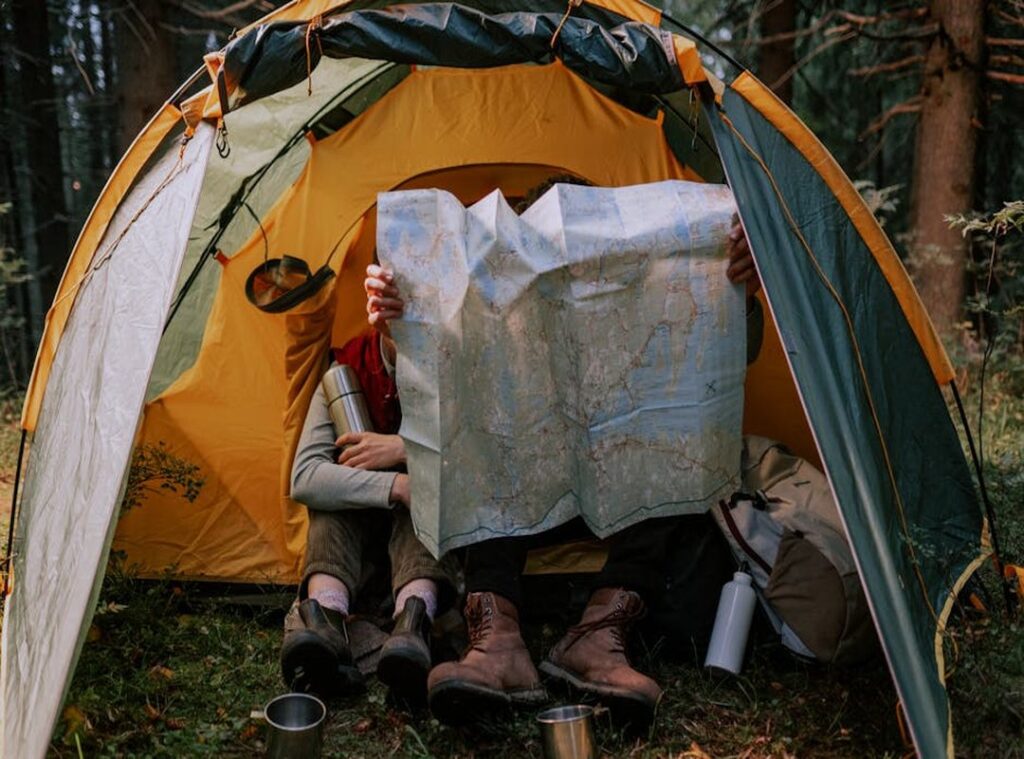
Start with the basics: orient the map to north. Simple, right? Lay that map flat and align it with your compass needle.
Next, take a bearing. Read the angle from your map and follow it in the field. This stuff isn’t optional.
It’s necessary.
Then, there’s magnetic declination. Sounds technical, but it’s not. It’s the angle difference between true north and magnetic north.
If you ignore it, you’re off course. So, adjust for it. It’s a pain, but key.
Now, let’s talk natural navigation. This is your backup and a way to connect with the land. Use the sun.
In the Northern Hemisphere, it rises in the east and sets in the west. Simple? Sure.
Effective? Absolutely.
And don’t forget “handrailing.” Use natural features like ridges or streams to guide you. They’re nature’s signposts. Speaking of survival, if you ever need to learn how to start a fire in wet conditions, there’s a guide for that too.
So, ready to read the wild?
Stay Safe, Stay Wild: Practical First Aid & Wildlife Sense
Prevention is the best medicine, right? As an important survival skills camper, you’d rather tackle small issues before they become trip-ending nightmares. Start with a personalized first-aid kit.

Trust me, generic ones are like those one-size-fits-all socks (useless). Key items? Blister care (moleskin), antiseptic wipes, varied bandages, pain relievers, and tweezers.
Got a deep cut? Pressure and elevation are your friends. Clean it with an antiseptic wipe (yes, it’ll sting) and apply a sterile bandage.
If you’ve twisted an ankle, wrap it snugly and keep weight off. But let’s shift gears. Wildlife awareness is key.
Food storage is a game-changer. Bear bags or canisters are your allies in keeping critters at bay. And for heaven’s sake, keep your camp clean.
Most wildlife isn’t interested in us. They’re just trying to survive. Like us.
The goal is coexistence, not fear. Check out skills every solo camper should learn to expand your knowledge. You’re not just surviving out there; you’re thriving.
Pro tip: Be bear-aware but not bear-scared. It’s about respect. Remember, the wild is home to them too.
Camping isn’t a stroll through Central Park. It demands respect, awareness, and a dash of common sense. Got all that?
Good. Let’s hit the trail, stay safe, and stay wild.
The Unspoken Commandment: Mastering Leave No Trace
Leave No Trace is more than a list of rules. It’s the very ethic of respect for the wilderness. Why follow it?
Simple. You pack it in, you pack it out (even those pesky food scraps). Dig a cathole for waste.
This isn’t just etiquette; it’s an important survival skill for any camper who respects nature. Leave what you find. Ever felt true freedom out there?
It’s knowing you’re keeping the wild, well, wild for the next folks. And the next generation. Freedom isn’t just about exploration.
It’s about preservation. That’s the real adventure.
Gear Is Just the Start
Ever feel like having the gear but lacking the guts? I get it. We all do.
The important survival skills camper must bridge the gap between owning stuff and knowing stuff. Master these outdoor skills, and watch uncertainty turn into sheer confidence. It’s your ticket to more freedom and fun out there.
Here’s your challenge: pick just one skill from our list. Dedicate your next adventure to nailing it. No more hesitation.
This is your first step to true wilderness mastery. Ready to transform that doubt into competence? Dive in and let nature be your classroom.
 Founder & Chief Exploration Officer
There is a specific skill involved in explaining something clearly — one that is completely separate from actually knowing the subject. Valdran Vornhaven has both. They has spent years working with outdoor packing essentials in a hands-on capacity, and an equal amount of time figuring out how to translate that experience into writing that people with different backgrounds can actually absorb and use.
Valdran tends to approach complex subjects — Outdoor Packing Essentials, Backcountry Concepts and Gear, Angle-Ready Wilderness Navigation being good examples — by starting with what the reader already knows, then building outward from there rather than dropping them in the deep end. It sounds like a small thing. In practice it makes a significant difference in whether someone finishes the article or abandons it halfway through. They is also good at knowing when to stop — a surprisingly underrated skill. Some writers bury useful information under so many caveats and qualifications that the point disappears. Valdran knows where the point is and gets there without too many detours.
The practical effect of all this is that people who read Valdran's work tend to come away actually capable of doing something with it. Not just vaguely informed — actually capable. For a writer working in outdoor packing essentials, that is probably the best possible outcome, and it's the standard Valdran holds they's own work to.
Founder & Chief Exploration Officer
There is a specific skill involved in explaining something clearly — one that is completely separate from actually knowing the subject. Valdran Vornhaven has both. They has spent years working with outdoor packing essentials in a hands-on capacity, and an equal amount of time figuring out how to translate that experience into writing that people with different backgrounds can actually absorb and use.
Valdran tends to approach complex subjects — Outdoor Packing Essentials, Backcountry Concepts and Gear, Angle-Ready Wilderness Navigation being good examples — by starting with what the reader already knows, then building outward from there rather than dropping them in the deep end. It sounds like a small thing. In practice it makes a significant difference in whether someone finishes the article or abandons it halfway through. They is also good at knowing when to stop — a surprisingly underrated skill. Some writers bury useful information under so many caveats and qualifications that the point disappears. Valdran knows where the point is and gets there without too many detours.
The practical effect of all this is that people who read Valdran's work tend to come away actually capable of doing something with it. Not just vaguely informed — actually capable. For a writer working in outdoor packing essentials, that is probably the best possible outcome, and it's the standard Valdran holds they's own work to.