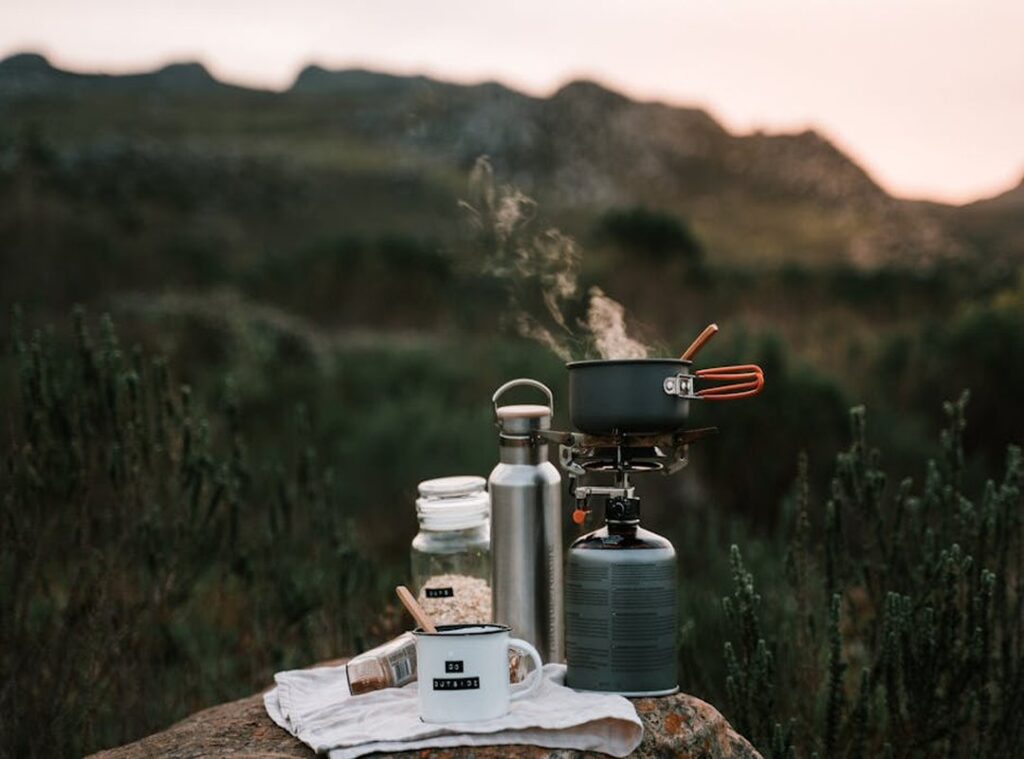
Camping’s supposed to be an escape, right? But how do you escape when every campsite feels more like a landfill? Eco-friendly camping trends are here to change that. I’m not just talking theory.
I’ve seen the campsite transformations myself. Less trash, more nature. You want to know how to camp without leaving a mark?
You’re not alone.
These trends aren’t just a fad. They’re reshaping how we connect with nature. You’re probably asking, “Do these trends really make a difference?” Yes, they do.
And I’m going to show you how.
Think about it. You can enjoy the wilderness and do some good for the planet too. That’s what this article is all about.
You’ll learn the nitty-gritty of eco-friendly camping. Tips, gear, and real-world examples that prove you can be a part of the solution. Ready to change the way you camp?
Let’s dive in.
The Foundation: Pre-Trip Planning for Minimal Impact
Before you even think about lacing up those boots, know this: true sustainability starts at home. Before hitting the trail, the eco-friendly camping trends really come into play. Start with choosing your destination carefully.
It’s not just about the breathtaking views. It’s about being strategic. I always check out ranger station reports and online forums.
Why? To avoid those overly trafficked, fragile sites. Think of it like choosing a quiet corner in a bustling café, where your footprint leaves the least trace.
Now, let’s talk food. Zero-waste meal planning isn’t just a buzzword. It’s a necessity.
I swear by repackaging all my food. Silicone bags and small containers are my go-to. Forget the single-use plastics.
Imagine having a simple, no-cook lunch that doesn’t leave a trail of packaging behind. An apple, a handful of nuts, and cheese? Perfect.
Here’s something else: the “Buy It for Life” gear philosophy. All those so-called ‘eco-friendly’ disposable gears? They’re not doing the planet any favors.
Invest in high-quality, durable equipment. Repairable stuff. Learn to patch a tent or fix a pole.
It’s a core skill, like knowing your way around upcoming outdoor events you cant miss. Speaking of which, if you’re curious, check out upcoming outdoor events you cant miss.
Pro tip? Never skimp on quality for gear. Your future self (and the planet) will thank you.
Think of it as a long-term relationship with your equipment. Because honestly, who wants to deal with tent disasters in the wilderness?
Mastering the Low-Impact Campsite
Camping with a conscience isn’t just a trend. It’s a necessity. We all know the basic advice: camp on durable surfaces.
But why? It’s about protecting the fragile ecosystems. Ever heard of cryptobiotic soil?
In deserts, it’s the living crust that holds the earth together. One wrong step and you’re disrupting a decade of growth. In forests, the ground is tougher, but that doesn’t mean invincible.
Always think: is it worth the risk to nature?
The 200-foot rule from water sources and trails? It’s not just for kicks. It prevents erosion and keeps our water clean.
Imagine everyone camping right by a stream. Before long, it’s a muddy mess and a pollution hazard. Keep your distance.
Really, just step back and enjoy the view from afar.
Waste is a big deal out there, and I’m not just talking about your trash. Let’s start with human waste. You might think, “I’ll just dig a hole anywhere.” Wrong.
A 6-8 inch cathole is non-negotiable, unless you’re in an alpine zone or river corridor. Then, it’s WAG bag time. No exceptions.
Greywater is another culprit. It’s not just soapy water. Strain it and use the broadcast method away from water sources.
Simple but effective. And don’t get me started on trash. Pack out everything.
Yes, even that banana peel. Wildlife isn’t into your leftover apple core, no matter what you think.
Ah, campfires. The quintessential camping experience, but potentially disastrous. Know when and how to have a fire.
Check for bans and conditions. A mound fire or fire pan is your friend. No need to dig a pit.
And always. I mean always (make) sure it’s cold to the touch before you leave.
Camping has gotten trendy lately. You’ll find that trendy campers like their campgrounds trendy too. But let’s keep it sustainable.
Eco-friendly camping trends aren’t just buzzwords. They’re the future of how we enjoy the wild. Let’s not be the ones ruining it for the next generation.
Wildlife & Space Etiquette: Respect the Natural World
Moving from passive avoidance to active respect starts with protecting wildlife by protecting your food. You might think your leftovers are harmless, but they’re not. Proper food storage is key.
Bear canisters are the gold standard. Hard-sided, lockable, and immune to bear ingenuity. Use them when you’re in bear country.
The PCT-method bear hang, a clever rope-and-bag system, works well in areas with tree coverage. Both methods keep bears from associating humans with food, which protects the animal as much as you.
The invisible impact of soaps and chemicals in our ecosystems can’t be overstated. Biodegradable soaps and sunscreens sound eco-friendly, right? Wrong. ‘Biodegradable’ doesn’t mean ‘harmless’.
These should never touch lakes or streams. Even insect repellents can wreak havoc on aquatic life. Keep them at least 200 feet from water sources.
It’s a small step that makes a big difference.
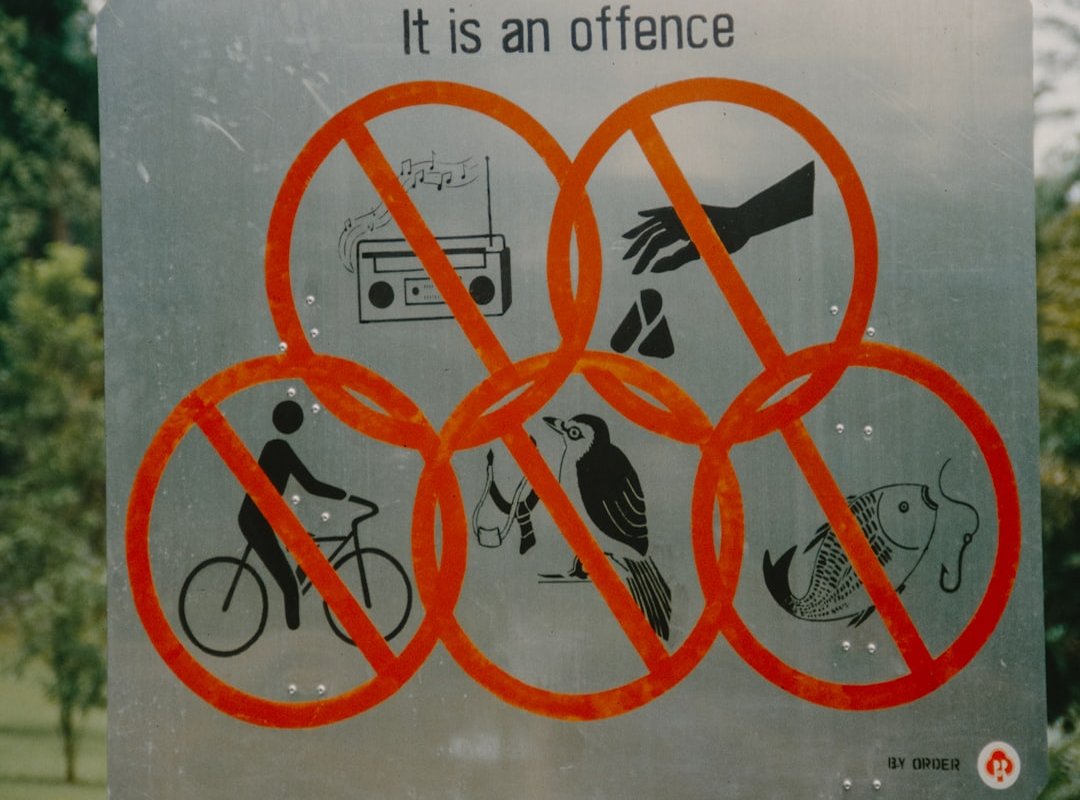
Let’s talk about observing wildlife without intrusion. The rules are simple but firm. Keep 100 yards away from bears.
For other large animals, 25 yards is enough. Don’t use bird calls or feed any animal, no matter how cute. It disrupts their natural behavior.
Remember, we’re guests in their space.
Eco-friendly camping trends are more key than ever as we deal with the impact of climate change on outdoor sports. Our actions today shape the wilderness of tomorrow. So, let’s respect it.
It’s not just about leaving no trace. It’s about leaving a better trace.
Beyond Leave No Trace: Stewardship in the Wild
You love the wild, right? So do I. But isn’t it time we go beyond just avoiding damage?
The ‘Leave It Better’ Principle is the next step for true outdoor enthusiasts. It’s simple: pack out more than you packed in. Ever spotted trash at a campsite?
Pick it up. It’s a small act of stewardship that can have a big impact on eco-friendly camping trends.
Now, let’s talk about sharing knowledge. We’ve all seen campers who might not know the best practices. Instead of judging, why not share a tip?
Lead by example. Maybe mention how you manage your campsite. A gentle nudge can do wonders.
Feeling like you want to contribute more formally? Consider volunteering for trail maintenance. It’s not just about fixing paths; it’s about preserving what we love.
Supporting conservation groups is another way to give back. It’s connecting your passion for the wild with a broader effort to protect it.
Doesn’t it make sense to do more than just enjoy nature? Let’s be champions of the outdoors. After all, isn’t that what being an outdoor enthusiast is about?
Let’s leave a legacy, not just footprints.
Turn Every Trip into Positive Action
Now you’re ready to turn your camping trips into acts of conservation. You’ve got the complete toolkit for sustainable camping. The risk of harming the places we love?
It’s real. But now, you’re prepared. These skills make sure our wild spaces stay pristine.
So, here’s the challenge: pick one new practice from this guide and master it on your next adventure. Embrace eco-friendly camping trends. Do it for the future.
And for those breathtaking views we can’t get enough of.
 Head of Gear Intelligence & Field Testing
Bertha Mayonativers writes the kind of backcountry concepts and gear content that people actually send to each other. Not because it's flashy or controversial, but because it's the sort of thing where you read it and immediately think of three people who need to see it. Bertha has a talent for identifying the questions that a lot of people have but haven't quite figured out how to articulate yet — and then answering them properly.
They covers a lot of ground: Backcountry Concepts and Gear, Angle-Ready Wilderness Navigation, Campfire Recipes and Survival Skills, and plenty of adjacent territory that doesn't always get treated with the same seriousness. The consistency across all of it is a certain kind of respect for the reader. Bertha doesn't assume people are stupid, and they doesn't assume they know everything either. They writes for someone who is genuinely trying to figure something out — because that's usually who's actually reading. That assumption shapes everything from how they structures an explanation to how much background they includes before getting to the point.
Beyond the practical stuff, there's something in Bertha's writing that reflects a real investment in the subject — not performed enthusiasm, but the kind of sustained interest that produces insight over time. They has been paying attention to backcountry concepts and gear long enough that they notices things a more casual observer would miss. That depth shows up in the work in ways that are hard to fake.
Head of Gear Intelligence & Field Testing
Bertha Mayonativers writes the kind of backcountry concepts and gear content that people actually send to each other. Not because it's flashy or controversial, but because it's the sort of thing where you read it and immediately think of three people who need to see it. Bertha has a talent for identifying the questions that a lot of people have but haven't quite figured out how to articulate yet — and then answering them properly.
They covers a lot of ground: Backcountry Concepts and Gear, Angle-Ready Wilderness Navigation, Campfire Recipes and Survival Skills, and plenty of adjacent territory that doesn't always get treated with the same seriousness. The consistency across all of it is a certain kind of respect for the reader. Bertha doesn't assume people are stupid, and they doesn't assume they know everything either. They writes for someone who is genuinely trying to figure something out — because that's usually who's actually reading. That assumption shapes everything from how they structures an explanation to how much background they includes before getting to the point.
Beyond the practical stuff, there's something in Bertha's writing that reflects a real investment in the subject — not performed enthusiasm, but the kind of sustained interest that produces insight over time. They has been paying attention to backcountry concepts and gear long enough that they notices things a more casual observer would miss. That depth shows up in the work in ways that are hard to fake.