
Picture standing atop a mountain, the air crisp and clear, or wandering through a forest at dawn, enveloped by the silence. This is what we crave, right? Yet, our love for these places sometimes harms them.
It’s not about blame (it’s) a shared challenge we all face. As outdoor enthusiasts, we must address these environmental challenges adventurers encounter.
I’ve spent years in the backcountry, learning to tread lightly, and I’m here to share that knowledge. This isn’t just about the basics like ‘Leave No Trace.’ We need to become true stewards of the wilderness.
So, what’s in it for you? A practical guide, crafted from real experiences, to help us protect these wild places together. Let’s embrace this journey, ensuring our outdoor adventures remain sustainable for generations to come.
The Unspoken Footprint: Adventures and Their Wild Impact
Ever thought about the quiet destruction happening under your feet? I have. It’s not just about the obvious trash left behind.
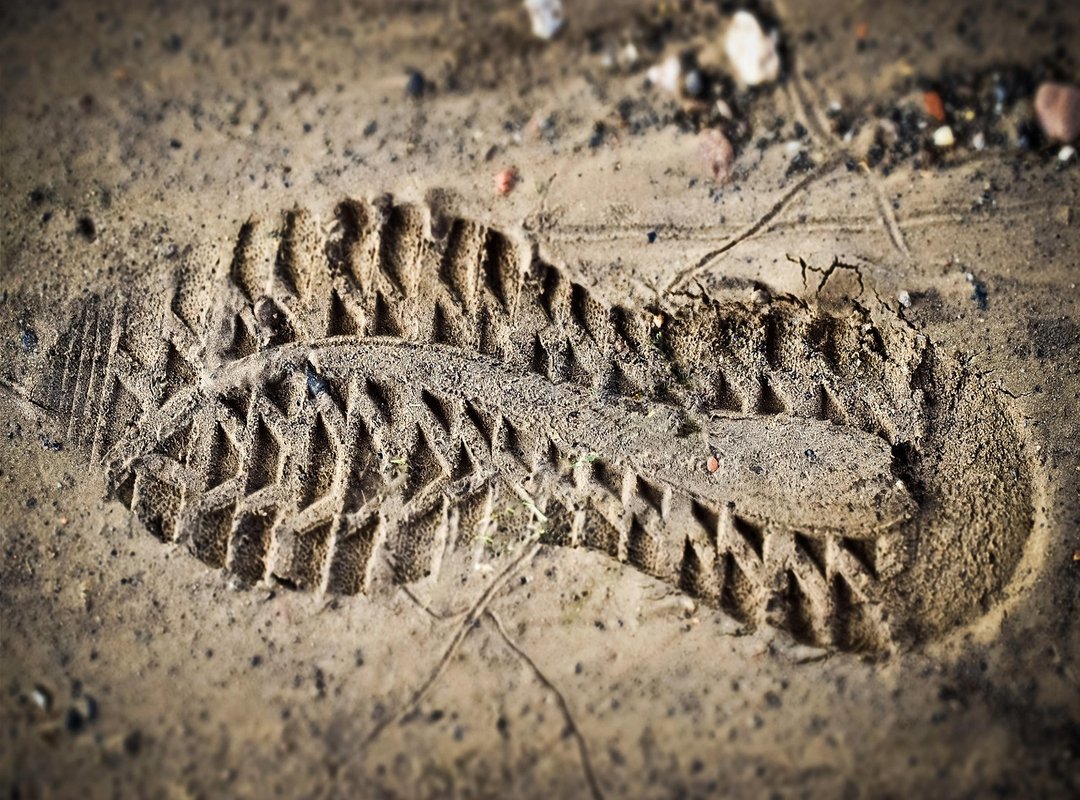
The real story is in the thousands of boots pounding the same trail, compacting soil and causing erosion. What do they call it? The slow erosion of silence.
And then there’s “micro-trash”. Sounds small, right? But those tiny pieces from snack bars, fruit stickers, and other little bits add up.
It’s a silent but constant force.
They might seem harmless, but they wreak havoc on wildlife. Animals mistake them for food, ingest them, and then… well, it’s not good. Does this sound like something you want on your conscience?
Even our “quiet” activities aren’t as harmless as we think. Approaching animals for that perfect photo causes them stress. Who knew?
And don’t get me started on drones. They buzz around like pesky flies, disturbing sensitive habitats. It’s like we’re saying, “Hey, nature, take a back seat to our entertainment.”
And let’s not forget the hidden costs. Maintaining trailheads, visitor centers, and access roads isn’t free. It takes water, resources, and money, all contributing to our environmental challenges adventurers often overlook.
We love the wild, but at what cost?
Luckily, there are Breakthroughs In Sustainable Outdoor Gear that can help lessen our impact. Gear innovations can make a difference (and not just in your backpack weight).
We need to think beyond the obvious. What we do out there matters. Every step, every piece of trash, every noise.
It’s all part of the footprint we leave behind. Are we preserving the wild or slowly wearing it down? That’s the question we should all be asking.
Gear Up, Tread Light: Building a Conscious Backcountry Kit
I’m calling out the endless cycle of buying gear. Seriously, do you need another tent just because it’s a new color? It’s time to embrace a “buy it for life” mentality.
Focus on durability and multi-use functionality. Why settle for gear that’ll fall apart after one season?
Let’s talk maintenance. Keeping your gear in shape means fewer replacements. Know how to patch a down jacket or re-waterproof a rain shell.
These skills save you money and stress. Plus, it’s satisfying to fix things yourself. Ever replaced a buckle?
It’s easier than you think. Master these, and you’re halfway to gear independence.
Sustainable gear isn’t just a buzzword. Look for recycled materials and certifications like bluesign® or Fair Trade. Brands that offer strong repair programs are worth your time.
They care about their products lasting. Got a favorite jacket? Make sure the company supports repairs.
It’s not just smart; it’s responsible.
Now, about those PFC/PFAS “forever chemicals” in waterproof coatings. They’re bad news. They stick around in the environment forever.
Choosing PFC-free alternatives? That’s a solid act of stewardship. It’s like voting with your wallet for a healthier planet.
Before buying, do a gear audit. Ask yourself: Do I truly need this? Can I borrow or rent instead?
Is my old one repairable? These questions prevent impulse buys. It’s about being mindful of the environmental challenges adventurers like us face.
And remember, as we pack for our next adventure, the principles we follow matter. Check out the 7 leave no trace principles to make sure you’re doing your part. Every choice counts.
So, let’s gear up wisely and tread lightly.
Leave No Trace 2.0: Stewardship in Action
Leave No Trace is where it all begins, but it’s just the starting point. It’s not enough to just tiptoe through the woods anymore. We’ve gotta step up our game.
Ever thought about leaving the wilderness better than you found it? That’s the new ethos. I mean, imagine hiking out with an extra bag of trash you didn’t bring in.
It’s like a badge of honor.
Active stewardship is the name of the game. Pack that extra trash bag, learn a bit of trail maintenance. Ever cleared a water bar?
You should. It’s one of those skills that makes you feel like a legit trail guardian. And let’s talk about citizen science.
Apps like iNaturalist let you contribute data while you hike. You’re not just a hiker anymore; you’re a data collector for wildlife projects. How cool is that?
But wait, there’s more. Social sustainability is a thing. Think about it: being mindful of trail crowding, yielding to others, maybe not geotagging every hidden gem.
We need to prevent overuse, not just for the trails but for the creatures that call it home. It’s about respect, right?
These actions aren’t chores. They’re a deeper way to connect with nature. They let us give back to the wilderness that gives us so much.
Plus, it feels good. Like, really good. It’s a whole new level of adventure.
Oh, and if you’re looking for ways to engage more with the outdoors, check out upcoming outdoor events you cant miss. There’s always something happening to challenge and inspire us, pushing us to face the environmental challenges adventurers deal with every day. Let’s rise to the occasion.
The Conscious Campfire: Sustainable Fuel, Food, and Fire
Nothing beats the primal joy of a campfire crackling under the stars. It’s that magic moment when you realize you’re part of something bigger. But here’s the catch (it) comes with immense responsibility.
You can’t just light up wherever you please. Local fire regulations aren’t just bureaucratic nonsense. Dry conditions make wildfires a real threat.
Ever heard of underground root fires? They’re no joke.
Minimizing your campfire impact is key. Use existing fire rings; make them small. Never walk away unless it’s “cold out.” I’ve seen folks miss this step and it gets ugly fast.
How about sustainable food planning? Repackaging at home saves you from dealing with trash on the trail. Plan meals to avoid leftovers (because who wants to cart half-eaten food around?).
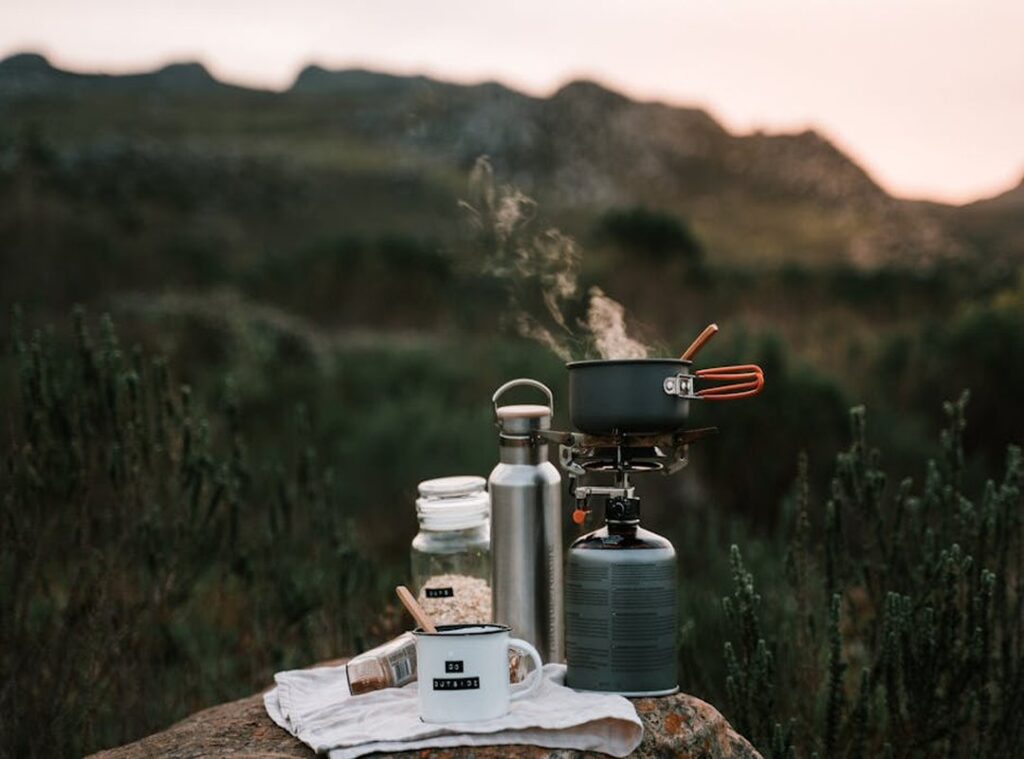
Now, when a fire isn’t feasible, think alternatives. Lightweight stoves are a lifesaver, or why not just enjoy the starry night? Less light pollution is a bonus.
Environmental challenges adventurers face are real. Are you up for it?
Embrace the Wild: Become Its Guardian
Let’s face it, our love for the wild can be its biggest threat. But it can also be its greatest hope. You’ve got the tools now to shift from just using nature to actively protecting it.
These solutions aren’t flashy; they’re small actions. They add up, creating a solid force for preservation. So, on your next adventure, take this knowledge with you.
Share it with fellow environmental challenges adventurers. Answer the call of the wild. Be the guardian it needs.
Need proof this works? Just ask any thriving space. Ready to make this leap?
Start today.
 Founder & Chief Exploration Officer
There is a specific skill involved in explaining something clearly — one that is completely separate from actually knowing the subject. Valdran Vornhaven has both. They has spent years working with outdoor packing essentials in a hands-on capacity, and an equal amount of time figuring out how to translate that experience into writing that people with different backgrounds can actually absorb and use.
Valdran tends to approach complex subjects — Outdoor Packing Essentials, Backcountry Concepts and Gear, Angle-Ready Wilderness Navigation being good examples — by starting with what the reader already knows, then building outward from there rather than dropping them in the deep end. It sounds like a small thing. In practice it makes a significant difference in whether someone finishes the article or abandons it halfway through. They is also good at knowing when to stop — a surprisingly underrated skill. Some writers bury useful information under so many caveats and qualifications that the point disappears. Valdran knows where the point is and gets there without too many detours.
The practical effect of all this is that people who read Valdran's work tend to come away actually capable of doing something with it. Not just vaguely informed — actually capable. For a writer working in outdoor packing essentials, that is probably the best possible outcome, and it's the standard Valdran holds they's own work to.
Founder & Chief Exploration Officer
There is a specific skill involved in explaining something clearly — one that is completely separate from actually knowing the subject. Valdran Vornhaven has both. They has spent years working with outdoor packing essentials in a hands-on capacity, and an equal amount of time figuring out how to translate that experience into writing that people with different backgrounds can actually absorb and use.
Valdran tends to approach complex subjects — Outdoor Packing Essentials, Backcountry Concepts and Gear, Angle-Ready Wilderness Navigation being good examples — by starting with what the reader already knows, then building outward from there rather than dropping them in the deep end. It sounds like a small thing. In practice it makes a significant difference in whether someone finishes the article or abandons it halfway through. They is also good at knowing when to stop — a surprisingly underrated skill. Some writers bury useful information under so many caveats and qualifications that the point disappears. Valdran knows where the point is and gets there without too many detours.
The practical effect of all this is that people who read Valdran's work tend to come away actually capable of doing something with it. Not just vaguely informed — actually capable. For a writer working in outdoor packing essentials, that is probably the best possible outcome, and it's the standard Valdran holds they's own work to.