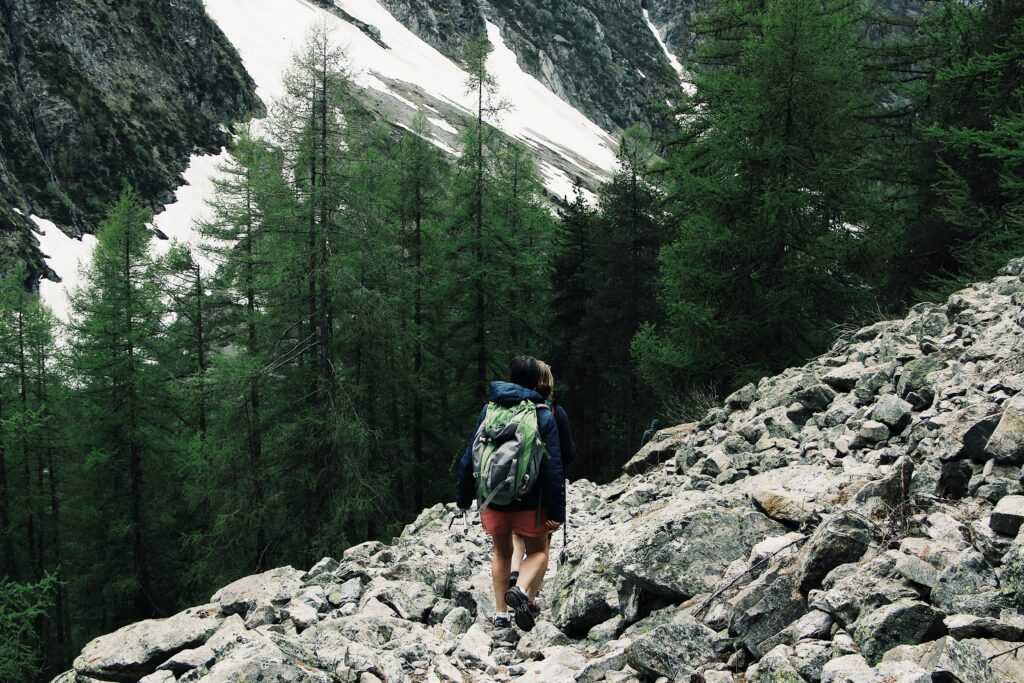
Trying to name the American state with the “best” hiking trails is an easy way to start an argument. Someone who loves desert canyons is probably not going to pick the same place as someone who wants alpine lakes, waterfalls, or a trail with the Atlantic Ocean appearing between the trees.
That variety is what makes hiking in the United States so appealing in the first place. Many states are defined not only by their landscapes but also by their sporting identities, with football playing a central role in communities across the country. On autumn weekends, conversations often revolve around rivalries, playoff hopes, and the teams expected to contend for a Super Bowl. Fans following those storylines, including those who track football betting odds and more with DraftKings, share the same map with some of the nation’s most spectacular outdoor destinations. The harder question is not whether America has great trails. It is which landscape you want to walk through.
Utah and Arizona Bring the Drama
Utah is hard to ignore because the scenery starts doing most of the work before the hike has even properly begun. Zion National Park is the obvious example, and Angels Landing has become famous for a reason. The trail climbs into a landscape of towering sandstone walls before reaching the exposed final section that has become one of the most recognizable hikes in the country.
Arizona delivers a different version of the same red-rock spectacle. At the Grand Canyon, trails such as South Kaibab quickly take hikers away from the rim and into the scale of the canyon itself. That change in perspective is what makes the experience memorable. Looking across the canyon is impressive; walking down into it makes you understand just how enormous it is.
The catch is that going down is the easy direction. Hikers still have to climb back out, and heat can become a serious problem. Water, food, weather, and turnaround time matter far more here than getting the perfect photograph.
Colorado Rewards the Climb
Colorado is probably the easiest answer for someone whose idea of a great hike includes mountains, pine forests, alpine lakes, and the possibility of feeling slightly out of breath while standing still.
Rocky Mountain National Park offers everything from short walks around Bear Lake to longer routes through higher terrain. The route toward Dream Lake and Emerald Lake is a good example of why Colorado works so well for hikers. The scenery changes quickly, moving through forest before opening toward mountain views and high-elevation lakes.
Altitude is the detail visitors should not underestimate. A distance that feels ordinary closer to sea level can feel very different several thousand feet higher. Taking the first day slowly, carrying enough water, and checking trail and weather conditions before leaving can make the difference between a memorable hike and a miserable one.
California Has Almost Too Much Choice
California could make a case for itself without leaving Yosemite.
The Mist Trail is a good example. The route toward Vernal Fall gives hikers close views of one of Yosemite’s major waterfalls, with the trail becoming wetter and steeper as it approaches the falls. Continue farther and the route can connect toward Nevada Fall, turning a relatively famous attraction into a much more demanding day.
What makes California unusual is that Yosemite is only part of the argument. The state also has Sierra Nevada mountain routes, desert hiking, redwood forests, and a huge Pacific coastline. You can spend one trip walking beneath giant trees and another wondering why you thought hiking uphill in the desert at noon was a sensible idea.
For Yosemite in particular, check current trail conditions before setting out. Popular routes can be affected by weather, maintenance, water, and seasonal conditions, and “famous trail” should never be mistaken for “easy trail.”
Washington Feels Properly Wild
Washington offers a greener, moodier version of mountain hiking. Mount Rainier National Park can deliver wildflower meadows, glaciers, volcanic scenery, and huge mountain views within the same walk.
The Skyline Trail from Paradise is one of the best examples. It climbs through subalpine meadows toward Panorama Point, where the views can extend across glaciers and surrounding peaks. The landscape feels dramatic without needing the red cliffs of Utah or the sheer scale of the Grand Canyon.
Washington weather deserves respect, though. Conditions around a large mountain can change quickly, and snow can remain on higher trails well beyond the point when visitors assume summer has arrived. Checking park conditions before the drive is part of the hike, not unnecessary homework.
Maine Does Something Completely Different
Maine earns a place on the list because Acadia National Park does not feel like a western mountain park copied onto the East Coast. It has its own personality: granite, forest, rocky shoreline, islands, and ocean views packed relatively close together.
The Beehive Loop is short but memorable. The route uses iron rungs and exposed sections to climb the cliffs above the surrounding landscape. It is only around a mile and a half, but distance is a poor way to judge this one. Heights and wet rock matter more than mileage, and hikers who dislike exposure have plenty of less intimidating Acadia trails to choose from.
That is also a useful reminder for hiking anywhere. The “best” trail is not automatically the hardest or most photographed one. Sometimes a quiet forest path, coastal walk, or less crowded alternative gives you a better day than the famous route everyone feels obliged to complete.
The states above barely settle the argument. Oregon has waterfalls and volcanic landscapes. North Carolina and Tennessee share the Smokies. Wyoming has the Tetons, while Alaska can make almost anywhere else look restrained.
That is probably why choosing America’s best hiking state is impossible. Pick the scenery first, then the trail that matches your fitness, experience, and tolerance for heights, heat, weather, or crowds. The best trail is usually the one that makes you stop looking at the distance left and start paying attention to where you actually are.
 Head of Gear Intelligence & Field Testing
Bertha Mayonativers writes the kind of backcountry concepts and gear content that people actually send to each other. Not because it's flashy or controversial, but because it's the sort of thing where you read it and immediately think of three people who need to see it. Bertha has a talent for identifying the questions that a lot of people have but haven't quite figured out how to articulate yet — and then answering them properly.
They covers a lot of ground: Backcountry Concepts and Gear, Angle-Ready Wilderness Navigation, Campfire Recipes and Survival Skills, and plenty of adjacent territory that doesn't always get treated with the same seriousness. The consistency across all of it is a certain kind of respect for the reader. Bertha doesn't assume people are stupid, and they doesn't assume they know everything either. They writes for someone who is genuinely trying to figure something out — because that's usually who's actually reading. That assumption shapes everything from how they structures an explanation to how much background they includes before getting to the point.
Beyond the practical stuff, there's something in Bertha's writing that reflects a real investment in the subject — not performed enthusiasm, but the kind of sustained interest that produces insight over time. They has been paying attention to backcountry concepts and gear long enough that they notices things a more casual observer would miss. That depth shows up in the work in ways that are hard to fake.
Head of Gear Intelligence & Field Testing
Bertha Mayonativers writes the kind of backcountry concepts and gear content that people actually send to each other. Not because it's flashy or controversial, but because it's the sort of thing where you read it and immediately think of three people who need to see it. Bertha has a talent for identifying the questions that a lot of people have but haven't quite figured out how to articulate yet — and then answering them properly.
They covers a lot of ground: Backcountry Concepts and Gear, Angle-Ready Wilderness Navigation, Campfire Recipes and Survival Skills, and plenty of adjacent territory that doesn't always get treated with the same seriousness. The consistency across all of it is a certain kind of respect for the reader. Bertha doesn't assume people are stupid, and they doesn't assume they know everything either. They writes for someone who is genuinely trying to figure something out — because that's usually who's actually reading. That assumption shapes everything from how they structures an explanation to how much background they includes before getting to the point.
Beyond the practical stuff, there's something in Bertha's writing that reflects a real investment in the subject — not performed enthusiasm, but the kind of sustained interest that produces insight over time. They has been paying attention to backcountry concepts and gear long enough that they notices things a more casual observer would miss. That depth shows up in the work in ways that are hard to fake.